Best ways to use overripe bananas in your kitchen
By Katemarthason Okudo, August 21, 2026A few dark spots on a banana do not always mean it belongs in the bin. As bananas ripen, their flesh becomes softer and sweeter, making them useful in several everyday dishes.
Instead of throwing away bananas that have become too soft to eat on their own, they can be turned into breakfast dishes, baked treats, smoothies and even simple desserts.
Turn them into pancakes and muffins
Overripe bananas are particularly useful when making pancakes, muffins and banana bread. Their soft flesh can be mashed easily and mixed into batter, while their natural sweetness can reduce the amount of added sugar needed.
Ripe bananas can be used in pancakes, breads, muffins and smoothies. The fruit also provides dietary fibre and potassium, making it a useful addition to a balanced diet.
For a simple breakfast, mash a ripe banana into pancake batter. Adding a little milk can make the mixture smoother and give the pancakes a softer texture. Milk can also be added to muffin and cake mixtures, especially where a moist texture is desired.

Add them to porridge and cereals
Overripe bananas can also make an ordinary bowl of porridge more interesting. Mash half or one banana into warm porridge, then add milk and a small amount of cinnamon.
The banana brings natural sweetness, while milk adds a creamy consistency.
Milk can also be poured over breakfast cereals, oats and other grains alongside sliced banana. According to the NHS, milk and dairy foods are good sources of protein and calcium, with calcium helping to maintain healthy bones.
For people looking for a more filling breakfast, combining oats, banana, milk and a few nuts or seeds can make a simple meal more substantial.
Blend them into smoothies
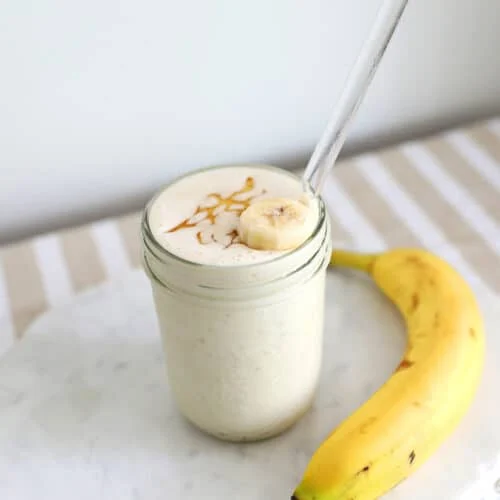
Smoothies are another easy way to use bananas that have become too soft. A ripe banana can be blended with milk, yoghurt and other fruits such as mango, pineapple or berries. For a thicker drink, the banana can be frozen first.
Milk works well as a smoothie base because it adds creaminess while also contributing protein and calcium. Those who do not take dairy milk can use an unsweetened, calcium-fortified alternative.
Make a quick dessert
Overripe bananas can also be used when preparing simple desserts at home. Mashed bananas can be mixed with yoghurt, oats or peanut butter for a quick snack.
Frozen bananas can also be blended until smooth to create a simple ice-cream-style dessert without needing an ice-cream maker.
The Academy of Nutrition and Dietetics notes that mashed overripe bananas work well as a base for sweet breads, muffins and pancakes, while frozen bananas can be used in smoothies and ice-cream alternatives.
Milk can do more than add creaminess
Milk is useful in more than just tea and breakfast cereals. It can be added to mashed potatoes, creamy soups, sauces, pancakes, cakes, custards, puddings and smoothies.
In savoury dishes, a little milk can soften the texture of mashed potatoes and make sauces creamier. In soups, it can provide a smoother finish, while in puddings and custards it forms part of the creamy base.
The NHS states that milk and dairy foods provide protein and calcium and can form part of a healthy, balanced diet. Lower-fat milk options can also provide similar amounts of protein and calcium to whole milk while containing less fat.
Do not throw them away too quickly
Overripe bananas are often at their most useful in the kitchen. Once the peel becomes heavily spotted and the fruit softens, they are no longer ideal for eating like a fresh banana, but they can become a convenient ingredient for cooking and baking.
From pancakes and porridge to smoothies, muffins and desserts, using them this way can help reduce food waste while adding natural sweetness and flavour to everyday meals.