Police’s new uniform: Fashion and dressing rules for police in Kenya
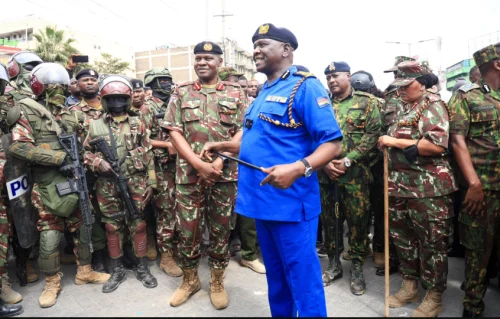
By Katemarthason Okudo, August 26, 2026The Kenya Police Service is set for a change in its official look, with President William Ruto expected to unveil a new uniform for general duty officers on Friday, August 28, 2026.
The new attire will be presented during the passing-out parade of more than 6,000 police constables at the Kenya Police Training College in Kiganjo, Nyeri County. General duty officers are expected to begin wearing the new uniform from Monday, August 31, 2026, as the National Police Service starts a phased rollout.
According to reports, the change follows a 2023 public participation exercise in which police officers rejected the deep navy-blue uniform and gave their views on the design they preferred. The new outfit is based on a design that had previously been approved for general duty officers.
A fresh look for general duty officers
Uniforms are an important part of how police officers present themselves while carrying out their duties. Beyond colour and design, the outfit helps the public identify officers and distinguish them from other security personnel.
·/X
The introduction of a new uniform therefore brings attention to the finer details of police dressing, from how the shirt sits on the body to the way badges, belts and headgear are worn.
However, the new design does not mean officers can wear it according to personal fashion preferences. Police dressing remains guided by official regulations.
The fit matters
For an officer, having a smart uniform is not simply about choosing the right size. The National Police Service Standing Orders provide detailed instructions on how uniforms should be fitted and worn.
Belts, for instance, should fit firmly around the waist and remain horizontal. Shirts are expected to be properly tucked into trousers or skirts, while badges and other insignia must be correctly positioned.
The regulations also allow minor adjustments where a uniform does not fit properly when first issued. Such adjustments are handled through official service arrangements rather than allowing officers to freely change the design.
According to the National Police Service Standing Orders, senior officers are expected to set an example by maintaining an impeccable turnout, while the rules are to be followed to ensure a smart and correct appearance across the service.
Hair, make-up and personal grooming
Police fashion does not stop at the uniform itself. Personal grooming is also part of the appearance expected while on duty.
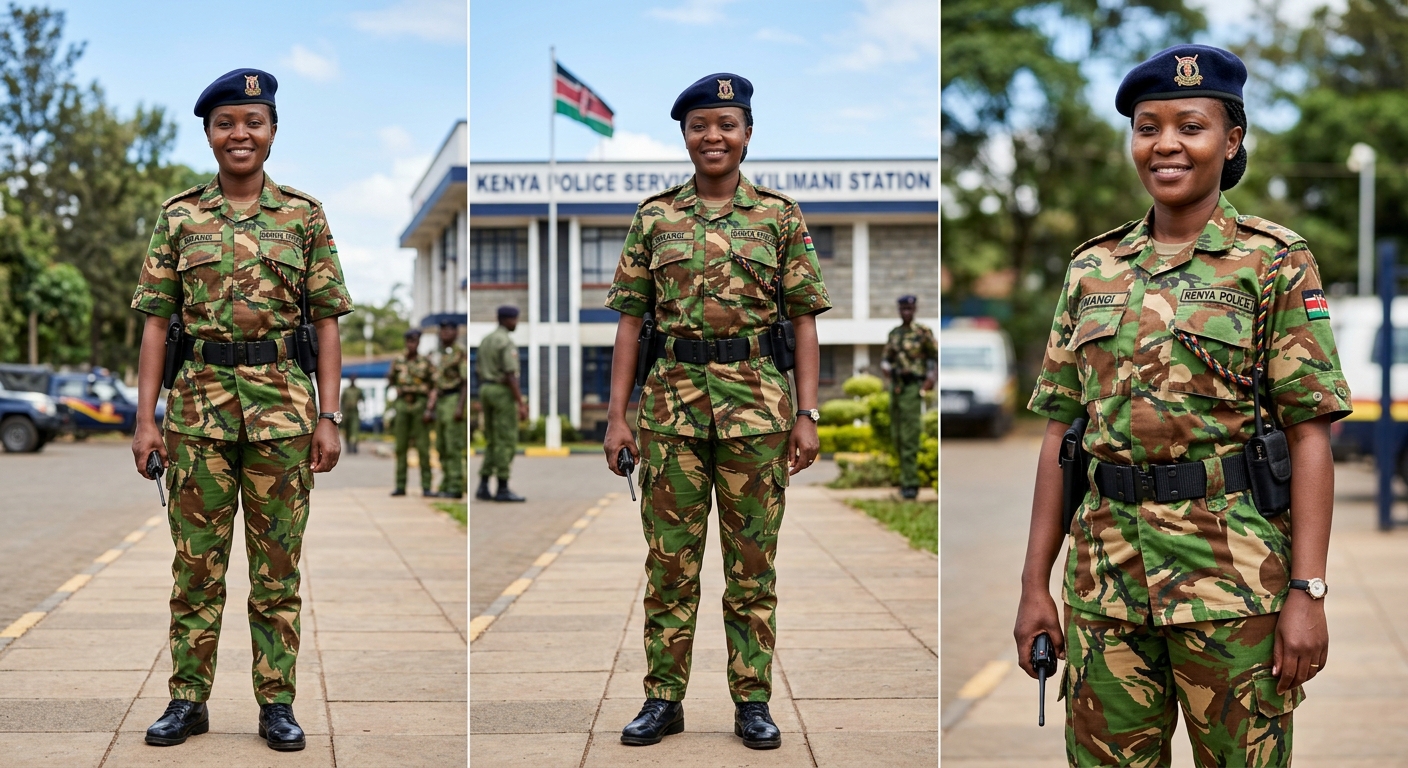
The regulations require officers to maintain neat and well-kept hair. Male officers are required to have close-shaved hair and a clean-shaven face, while female officers are expected to style their hair so that it does not extend beyond the collar of the blouse.
Make-up should remain subtle and discreet, with only natural or clear nail polish allowed. Nail extensions are not permitted, while tattoos should not be visible when an officer is in uniform.
These rules give the police uniform a consistent appearance, ensuring that personal style does not overshadow the official dress code.
What happens when officers appear in the new look?
As the new uniform begins appearing across the country, officers will be expected to wear it as issued and maintain the same standards of neatness and presentation.
The transition will not apply to every police unit at once. The Administration Police Service and General Service Unit are expected to retain their existing uniforms, with the new outfit initially targeting general duty officers.
For Kenyans, the change will be easy to notice on the streets. For police officers, however, it will be more than a change of colour or cut. It will be another official uniform to wear according to established rules on fitting, grooming and presentation.