Advertisement
Explainer: How WhatsApp’s end-to-end encryption works
07th April, 2026 10:45 PM
Every day, millions of people send messages, photos and voice notes through WhatsApp without thinking much about what happens in the background.
It feels simple and instant. Yet behind that simplicity is a strong privacy system designed to keep conversations secure.
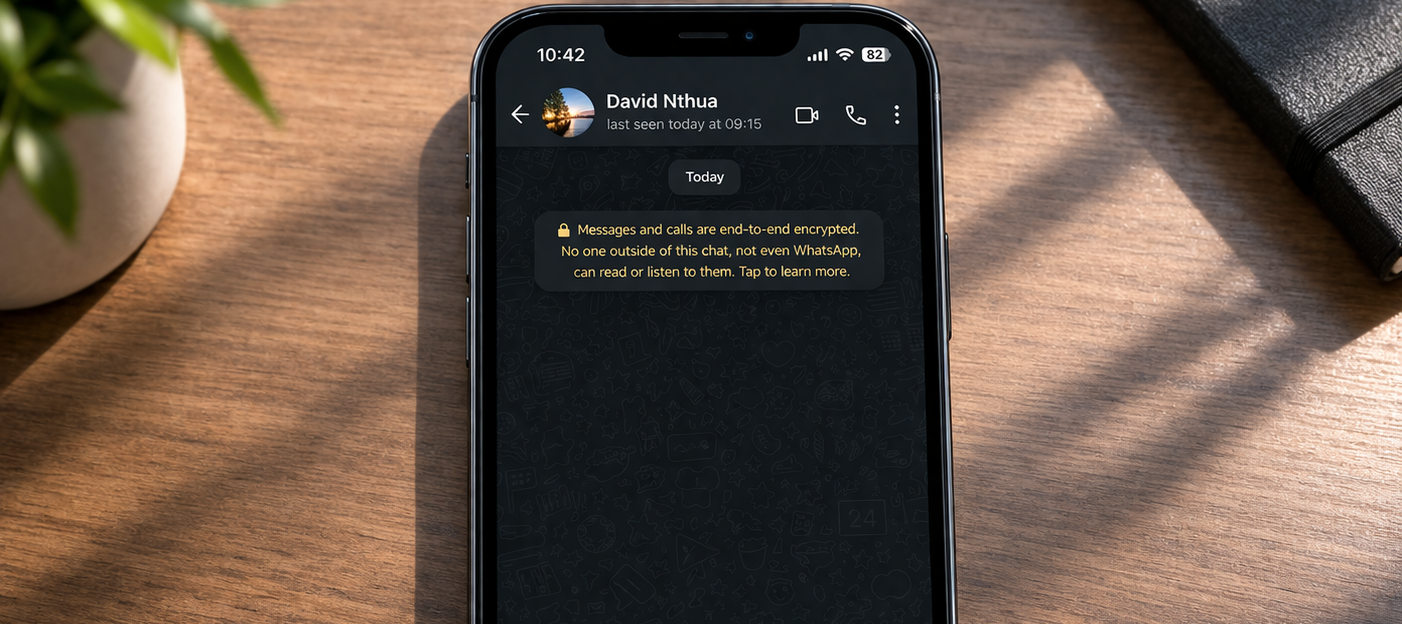
You may have noticed the message at the top of chats saying they are end-to-end encrypted.
While it sounds technical, the idea is actually easy to understand once broken down.
What encryption means
Encryption is simply a way of turning your message into a secret code before it leaves your phone.
Instead of travelling as normal readable text, the message is scrambled into something that looks meaningless to anyone who might try to intercept it.
Once it reaches the intended person, it is unlocked and becomes readable again.
It is like sending a locked package that only the receiver has the key to open.
How end-to-end encryption works
End-to-end encryption means that only you and the person you are chatting with can read what is sent.
Not even Meta Platforms can see the content of your messages.
When you send a message, your phone automatically locks it using a special digital key.
The message then travels across the internet in that locked form.
When it arrives, the recipient’s phone uses its own matching key to unlock it.
At no point during this journey can anyone else read the message.
Even if it is intercepted, it remains unreadable without the correct key.
Why this protects your privacy
This system is important because it keeps personal conversations private.
Whether you are sharing sensitive information, photos or simple chats, encryption ensures that only the intended person sees it.
It also reduces the risk of hackers or third parties accessing your conversations while they are being sent.
The protection happens automatically, without you needing to switch anything on.
What WhatsApp can still access
Even with strong encryption, WhatsApp can still see certain basic details about your activity.
It can tell who you are messaging and when messages are sent, but it cannot read the actual content.
This information helps the service run smoothly, but it does not expose your conversations themselves.
When your messages may still be exposed
Encryption protects messages while they are being sent, but there are situations where privacy can still be compromised.
If someone gets access to your unlocked phone, they can read your chats directly.
If messages are backed up to cloud services without proper protection, they may also become accessible.
In such cases, the weakness is not in the encryption system, but in how the device or data is handled after delivery.
End-to-end encryption on WhatsApp works quietly in the background to keep your conversations secure from outsiders.
It ensures that your messages remain between you and the person you trust.
For everyday users, the key takeaway is simple.
Your chats are protected during transmission, but you still need to protect your phone and manage your data carefully to maintain full privacy.