Digital farming practices to manage your rural investments and avoid being conned
By Dan Kauna, May 5, 2026Many urban Kenyans invest in rural land while working in cities like Nairobi or Mombasa.
This distance often creates the “telephone farmer” problem, where money sent for seeds or fertiliser is diverted by relatives or workers.
Digital tools are now providing a practical solution to this lack of oversight.
Eliminating information gaps
The modern “digital shamba” uses low-cost technology to bridge the gap between the office and the field.
Soil sensors provide real-time data on moisture and nutrient levels directly to a smartphone.
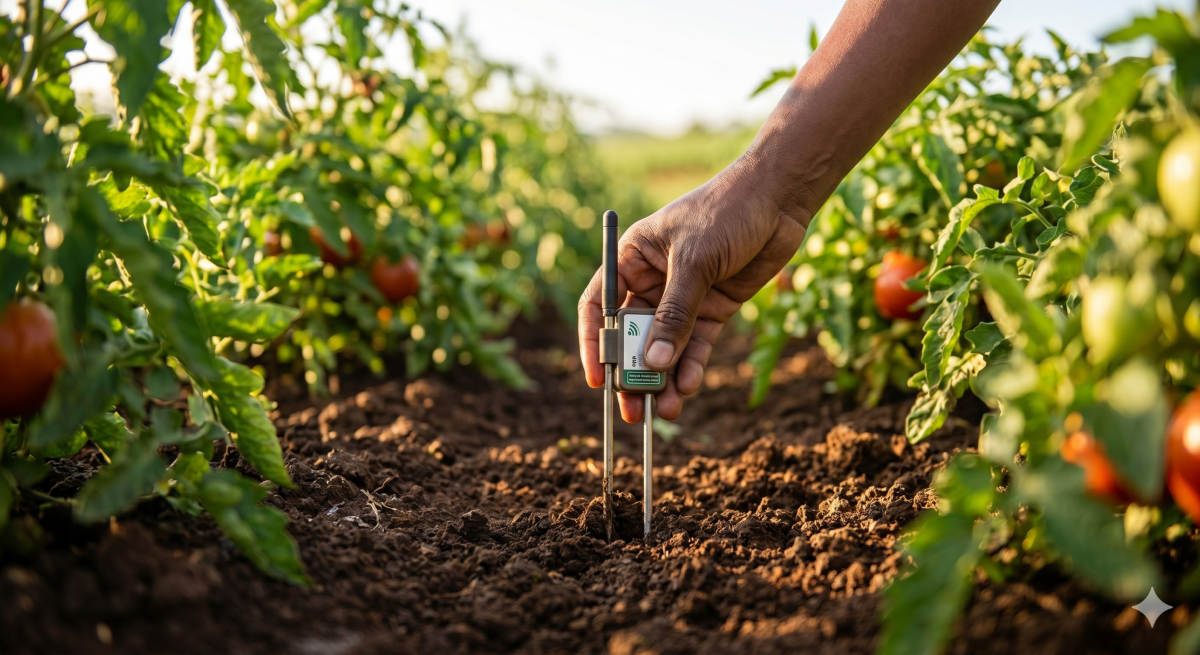
As researchers observe, digital technologies can “play a significant role in improving quality of life in rural communities… by providing communities with information and advice which is relevant and timely, to support decision making”
These tools help solve the problem of “asymmetric information,” which is the gap between what a worker says and what is actually happening.
Research also confirms that digital tools are “a valuable tool to provide low cost, sustainable” oversight by allowing for “field-specific loss assessment remotely.”
By using data instead of hearsay, an investor knows exactly when the land needs attention, regardless of what they are told over the phone.
Securing growth through automation
Security and consistent watering are major concerns for the absentee investor. Solar-powered CCTV cameras that connect to 4G networks allow owners to monitor activity on the ground.
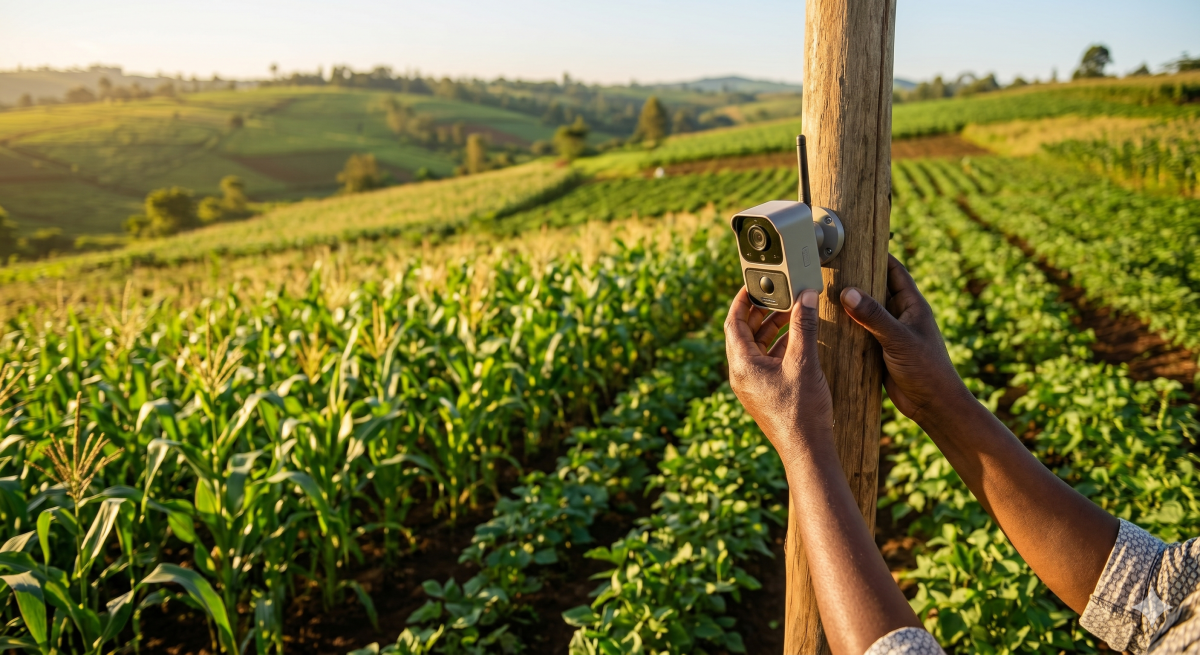
Basic systems now start at roughly Sh15,000. This visual check ensures that the labour paid for is actually being performed.
Automated irrigation is also transforming rural investments, allowing farmers to trigger water pumps via an app.
These innovations are part of a larger trend where “remote sensing products and services… represent a major opportunity to improve the productivity and sustainability of agriculture in Africa.”
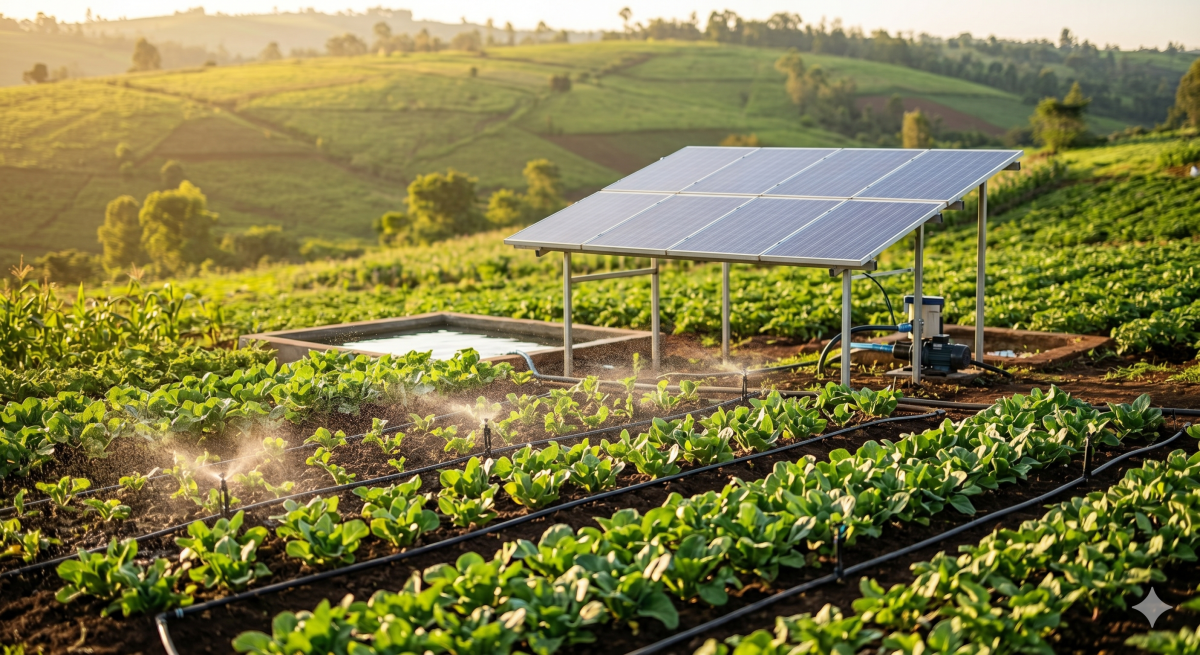
A standard solar irrigation setup currently costs approximately Sh45,000, a price many middle-class investors see as a safeguard against crop failure.
However, technology must be balanced with the human element. Successfully managing a farm from a distance requires maintaining a good relationship with those on the ground. It is more effective to present sensors and cameras as tools that make the worker’s job easier rather than as a sign of distrust.
This approach preserves family harmony while protecting the investment.
For the everyday Kenyan, these tools turn the village shamba into a transparent and profitable business.