Common kitchen habits that are slowly contaminating your food
By Katemarthason Okudo, May 5, 2026For many people, the kitchen is a place of comfort where meals are prepared, conversations happen, and routines feel familiar. But some of the habits we practice daily, often without a second thought, may be doing more harm than good. Not in obvious ways, but slowly, through small actions that build up over time.
One of the most common habits is reusing cooking oil. It may seem economical, especially with rising food costs, but repeatedly heating oil changes its chemical structure. Over time, it produces harmful compounds that can affect both the taste of food and your health. That slightly darker oil in your pan might not just be “well-used”; it could be carrying substances your body doesn’t need. “Reusing cooking oil multiple times can lead to the formation of harmful compounds that may affect health,” a nutritionist said.
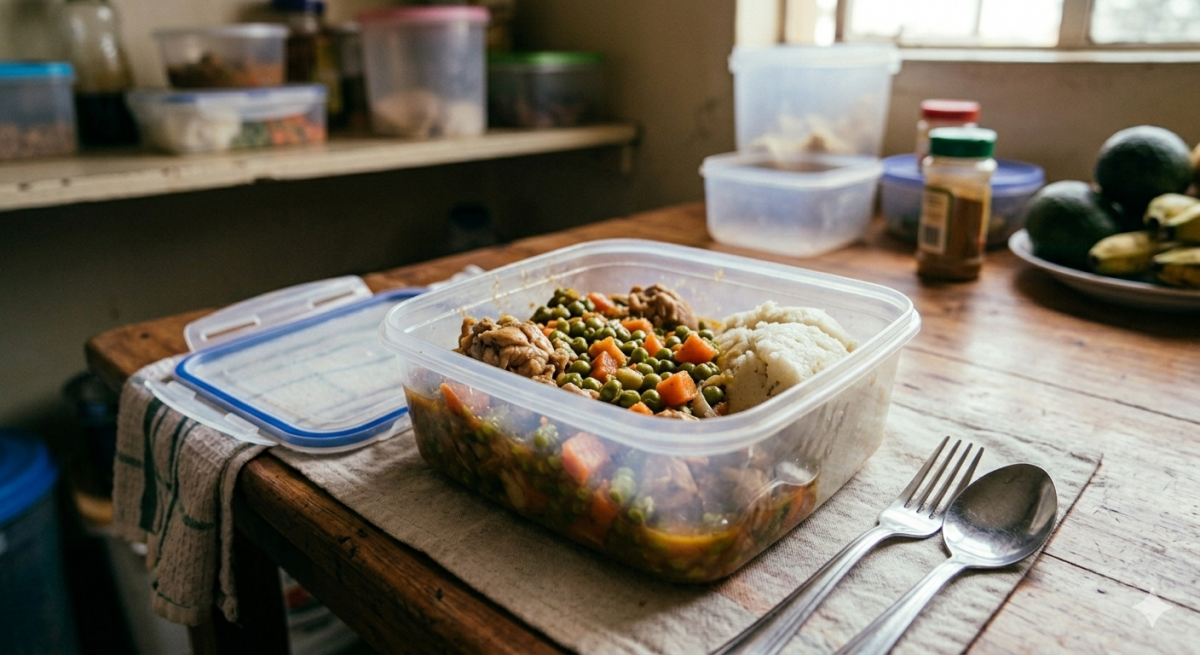
Another issue is how we store food. According to the Enviroliteracy team, heat can cause certain plastics to release chemicals into food, especially when used with hot meals. Placing hot food directly into plastic containers is something many households do for convenience. What’s rarely considered is how heat interacts with certain plastics, potentially releasing chemicals into the food. It’s a quiet process, with no smell or visible sign, but one that can affect food safety in the long run.
Then there’s the chopping board, a kitchen essential that often gets less attention than it should. Using the same board for raw meat and vegetables without properly cleaning it in between can lead to cross-contamination. Even when it looks clean, bacteria can linger in tiny grooves, especially on older wooden or worn-out plastic boards.
Sponges and dishcloths also play a role. They are used daily to clean utensils and surfaces, yet they are rarely disinfected or replaced as often as needed. A damp sponge left by the sink becomes a breeding ground for bacteria, which then spreads to plates, cups, and countertops. Ironically, the very tool meant for cleaning can end up doing the opposite.
Another habit is the way we handle leftovers. Keeping food in the fridge for “just one more day” is common, but not all leftovers age the same. Some foods spoil faster than others, and repeatedly reheating them doesn’t necessarily make them safe again. In fact, it can sometimes encourage the growth of harmful microorganisms.
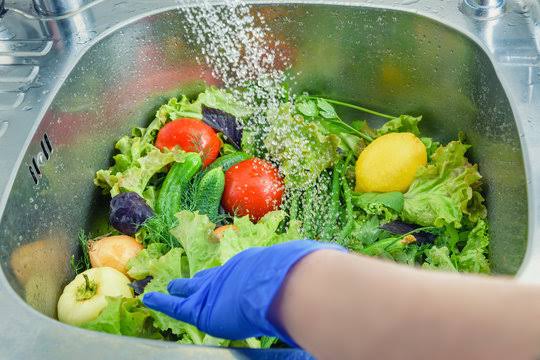
Even something as simple as not washing fruits and vegetables thoroughly can have consequences. Produce often carries residues from the farm or market, dirt, pesticides, or handling from multiple people. A quick rinse may not always be enough, especially for items eaten raw.
None of these habits feels dangerous in the moment. They are part of everyday life, shaped by routine, convenience, or lack of awareness. But over time, they can affect the quality of the food we eat and, by extension, our well-being.
Paying attention to these small details doesn’t require a complete lifestyle change. Sometimes, it’s about simple adjustments, letting food cool before storage, replacing old kitchen tools, or being more mindful about cleanliness.