Advertisement
Ashwagandha craze: Why Gen Z cannot shut up about the ancient herb they are using to manage stress
30th January, 2026 11:07 AM
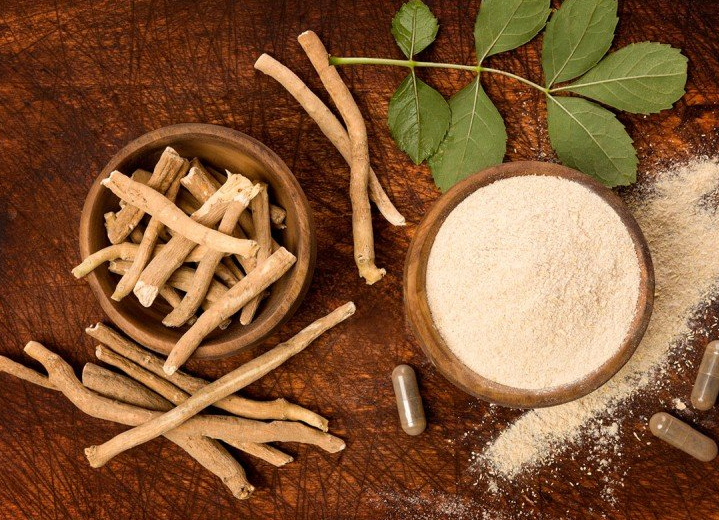
The trendsetters swear by it, and they have given their followers a greenlight. From Nairobi’s cafes to Instagram feeds and TikTok wellness videos, young adults are increasingly turning to Ashwagandha, an ancient herb long used in Ayurvedic medicine, to manage stress, improve sleep, and maintain focus. What started as a niche natural remedy is now a modern wellness staple for Gen Z, who are constantly navigating school, work, relationships, and the pressures of the digital world.
Unlike quick fixes like caffeine or energy drinks, Ashwagandha offers a slower, more gradual approach to wellness, a plant-based tool for balance in an increasingly fast-paced life.
What is Ashwagandha?
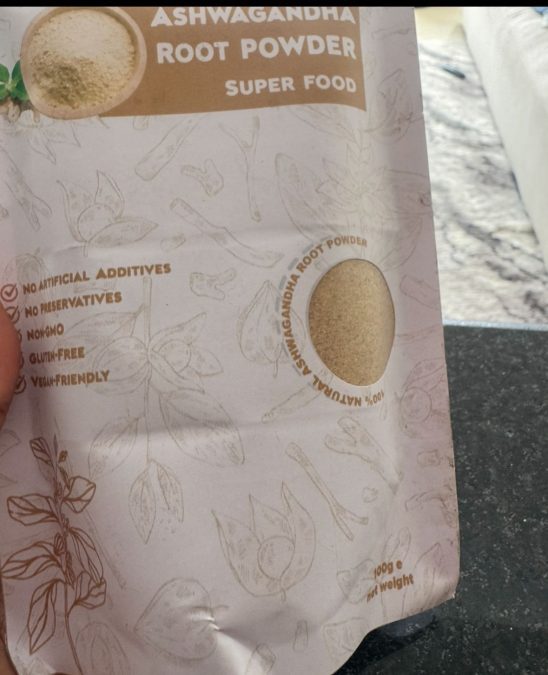
Ashwagandha (Withania somnifera) is a woody shrub native to India, Africa, and the Middle East. In traditional Ayurveda, it is considered a Rasayana, a rejuvenating herb believed to restore vitality, support balance, and promote overall well-being. Today, it is consumed as capsules, powders, teas, or tinctures, and is praised for its calming properties, helping the body handle stress naturally.
Research
Scientific research is limited but promising. A study published in The Journal of Alternative and Complementary Medicine found that adults who took Ashwagandha over several weeks experienced lower stress levels and improved sleep. For Gen Z, that combination of calm and focus is especially appealing.
Organisations such as the National Centre for Complementary and Integrative Health (NCCIH) and clinical research published in peer‑reviewed journals have examined its effects on stress, sleep, and cognitive function, giving Gen Z reasons to take notice.
According to the National Centre for Complementary and Integrative Health (NCCIH), some research shows that certain Ashwagandha supplements may help reduce stress and improve sleep, although evidence about their effect on anxiety is still unclear. Ashwagandha is believed to act on the body’s stress response by potentially modulating cortisol, the primary stress hormone.
Obsession among youth
The appeal of Ashwagandha goes beyond just stress relief. Young adults are open about the pressures they face from school and work to social media and personal relationships, and they are looking for tools that help them navigate life with more control.
Influencers and wellness creators on social media have amplified the trend. Kenyan lifestyle personalities, including Ronoh, have shared how Ashwagandha has become part of their daily routines, from promoting calm and focus to supporting better sleep. The herb is also being recommended in online communities as a natural way to cope with emotional stress, such as healing from breakups or managing feelings after a difficult relationship.
Many also see it as a tool to help them ‘stand on business’, a phrase meaning to stay grounded, focused, and productive, especially in the middle of life’s chaos. In this sense, Ashwagandha is less about instant fixes and more about building resilience, mental clarity, and consistency.
TikTok testimonials
Across social media conversations, people highlight several recurring benefits: Feeling calmer and less overwhelmed during stressful days, improved sleep and relaxation, enhanced focus and mental clarity, emotional balance, including recovering from heartbreak or difficult situations. While experiences vary, the discussions themselves have created a space for Gen Z to talk openly about stress, self-care, and emotional health without judgment.
Though generally considered safe for short-term use, according to research by Mayo Clinic, Ashwagandha may cause mild side effects like stomach upset or drowsiness. It can also interact with medications for thyroid, blood pressure, or diabetes, and is not recommended during pregnancy or breastfeeding. Experts suggest choosing third-party tested products and sticking to recommended doses.
Point to note: If you are considering adding Ashwagandha to your routine, it is important to seek professional advice first to ensure it is safe and appropriate for your individual health needs.