7 common mistakes people make when using charging extensions at home
By David Nthua, March 15, 2026Charging extensions have become common in many homes as families power phones, televisions, laptops and other electronics from a single outlet.
While extension boards make life easier, experts warn that misuse can expose households to fire risks, damaged electronics and unnecessary power loss.
Many people rarely think about how they use these devices, yet small mistakes can cause serious problems over time. Understanding how extensions should be used helps protect both appliances and the people living in the house.
Below are seven common mistakes people make when using charging extensions at home.
Overloading the extension with too many devices
One of the most common mistakes is plugging too many devices into a single extension. Phones, laptops, televisions, game consoles and speakers can quickly exceed the power limit of the extension.
Most household extensions are designed to handle a limited electrical load. When too many devices are connected, the extension may overheat. This can damage the cable or even start a fire in extreme cases.
Plugging high power appliances into cheap extensions
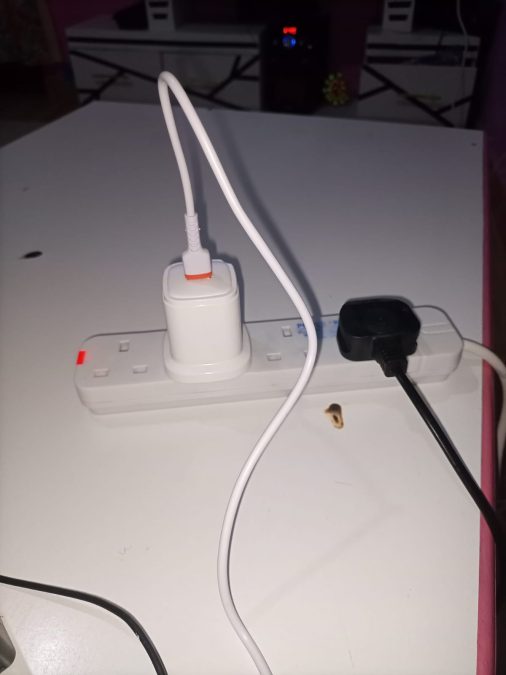
Many people connect appliances such as kettles, microwaves, heaters or irons to ordinary charging extensions meant for small electronics.
These appliances draw a large amount of electricity. When used on a light extension board, they can overload the internal wiring and cause the extension to melt or trip.
Experts recommend plugging heavy appliances directly into a wall socket instead of an extension.
Using damaged or worn out cables
Another mistake is continuing to use an extension with cracked insulation, loose sockets or exposed wires.
Damaged cables increase the risk of electric shock and short circuits. If the cable looks worn out or the sockets feel loose when plugging in a device, the extension should be replaced immediately.
Placing extensions under carpets or mattresses
Some people hide extension cables under carpets, rugs or mattresses to keep the room neat. However, this can trap heat around the cable.
When electricity flows through the wire, heat is produced. Covering the extension prevents proper cooling and may lead to overheating.
It also increases the risk of fire if the cable becomes damaged without being noticed.
Using extensions near water
Charging extensions are sometimes placed close to sinks, bathrooms or kitchen counters where water spills can occur.
Water and electricity are a dangerous combination. If water enters the extension sockets, it can cause electric shocks or short circuits.
Extensions should always be kept in dry areas away from water sources.
Leaving extensions switched on all the time
Many households leave their extension boards permanently switched on even when devices are not charging.
Although this may seem harmless, leaving the extension active increases the chances of overheating or electrical faults. It also wastes electricity through standby power.
Switching off the extension when it is not in use is a safer habit.
Buying fake or low quality extensions
Cheap and counterfeit extensions are widely available in markets. These products may look similar to genuine brands but often lack proper safety features.
Low quality extensions may have thin internal wiring, weak sockets or no surge protection. This makes them more likely to overheat or fail.
Experts advise buying certified extensions from reputable brands to ensure safety.
The bottom line
Charging extensions are useful tools in modern homes, but they must be used correctly. Avoiding common mistakes such as overloading, using damaged cables and placing extensions in unsafe locations can significantly reduce electrical risks.
With proper use, a simple extension board can safely power multiple devices while protecting both your electronics and your home.