Advertisement
5 smart house-hunting tips that could save you from deadly flood zones
09th March, 2026 07:32 AM
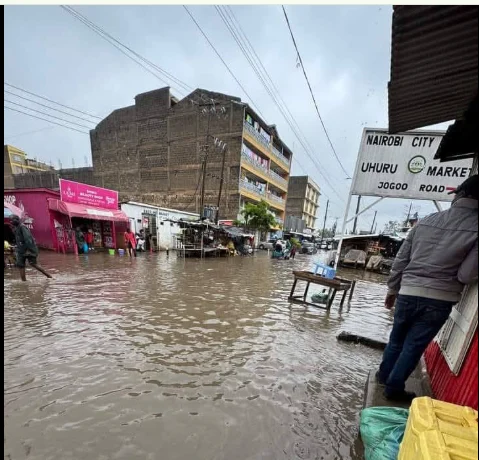
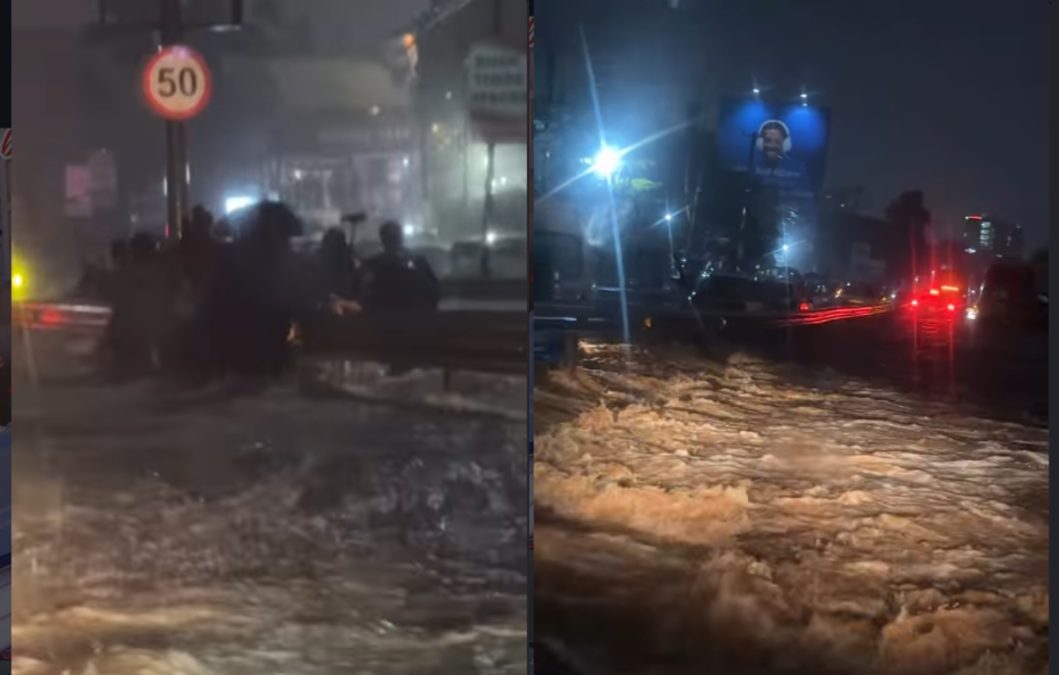
Deadly floods witnessed on Friday, March 6, 2026, in Nairobi and its environs have once again raised concerns about housing safety in the capital.
Several areas were submerged after heavy rains, leading to the tragic loss of lives and the destruction of property as drainage systems struggled to cope with the stormwater.
The incident has sparked renewed debate about urban planning, drainage infrastructure and the risks many residents unknowingly face when choosing where to live.
For anyone looking to rent or buy a house, affordability and location are often top priorities, but safety should come first. Choosing a home in the right area can protect you and your family from the devastating effects of floods.
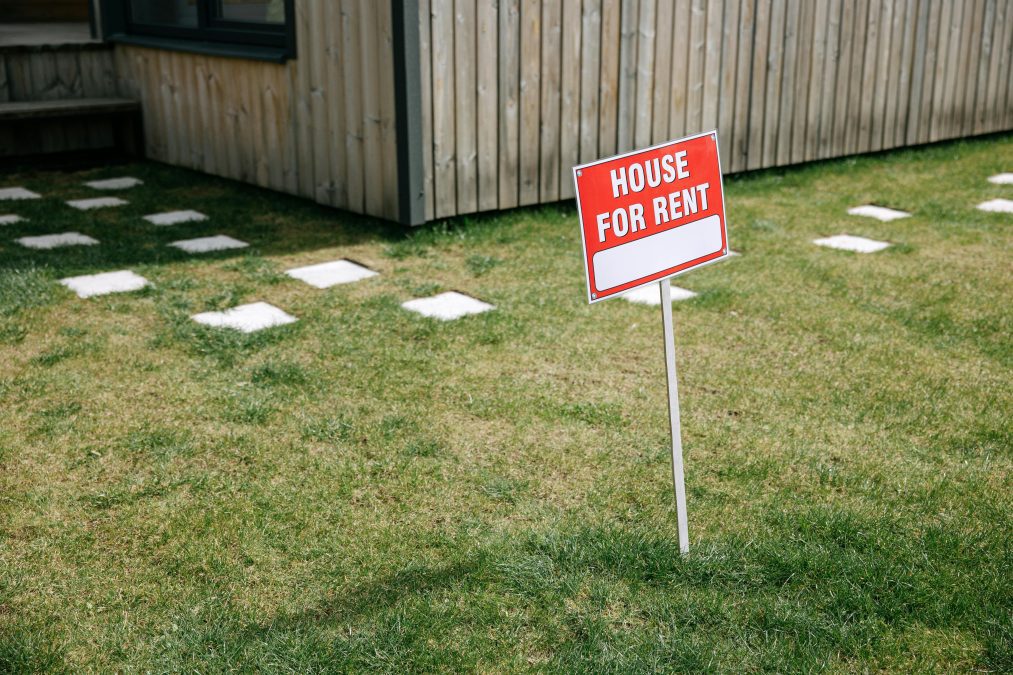
Here are five smart house-hunting tips that could help you avoid flood-prone areas.
- Research the area’s flood history
Before renting or buying a home, take time to find out whether the area has experienced flooding in the past. Talk to long-time residents, local shop owners or security guards who often know the history of the neighbourhood. If an area floods every rainy season, chances are it will continue to do so.
- Inspect drainage systems
Good drainage is one of the most important factors in preventing floods.
When visiting a house, check whether there are open or blocked drainage channels nearby. Poorly maintained or garbage-filled drainage systems can easily overflow during heavy rains.
- Avoid low-lying areas
Houses located in valleys, near rivers or at the bottom of slopes are more likely to flood when heavy rains occur. Even if the house looks attractive and affordable, the location may expose you to repeated flooding risks.
- Visit the area during rainy weather
If possible, visit the neighbourhood during or immediately after rainfall. This will help you see how water flows through the area and whether roads or compounds easily get flooded.
- Observe waste management practices
Garbage dumping is a major cause of blocked drainage in many parts of Nairobi. If you notice heaps of waste in drainage lines or along roads, it could be a sign that the area is vulnerable to flooding when the rains intensify.
As climate change continues to bring unpredictable and intense rainfall patterns, choosing the right location for your home is crucial.
The Friday floods in Nairobi are a painful reminder that knowing your neighbourhood, understanding drainage, and being aware of historical flood patterns can save lives and property.