5 reasons why some men stop being romantic after marrying you
By David Nthua, May 3, 2026Romance often feels effortless at the beginning of a relationship. There is excitement, intention, and a strong desire to impress each other.
However, after marriage, many couples notice a shift. The gestures that once came naturally may become less frequent, and the relationship can start to feel more routine than romantic.
This change is not always about a lack of love. In many cases, it reflects adjustments in behaviour, expectations, and daily life.
Familiarity replaces effort
Before marriage, there is usually some distance between partners. That distance creates anticipation and encourages effort.
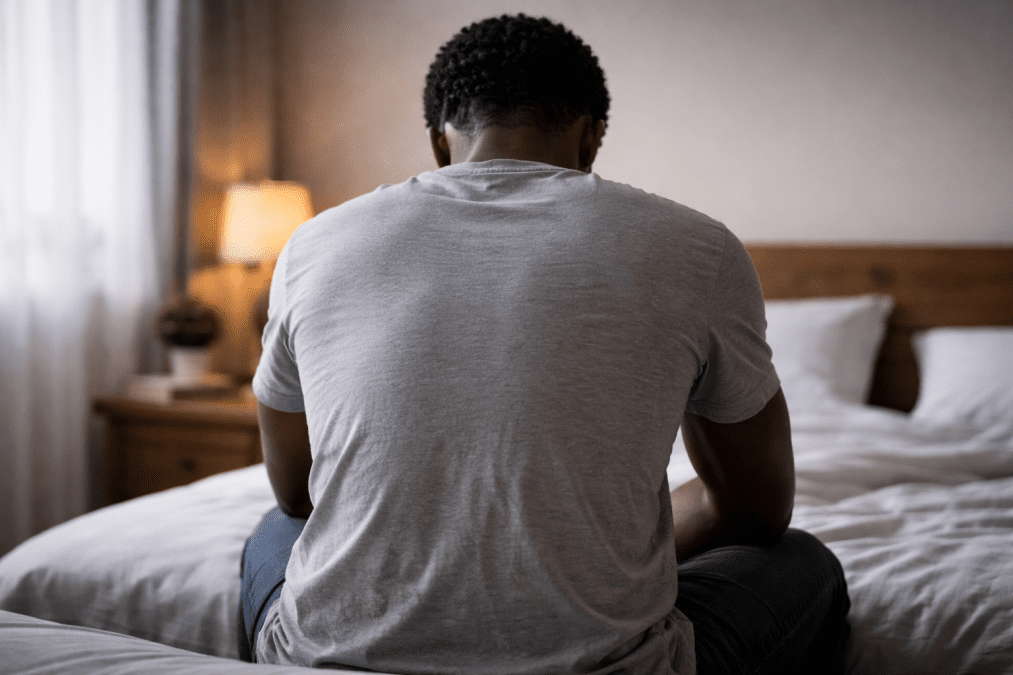
People dress up more, plan dates, and communicate with intention. After marriage, constant proximity can reduce that sense of novelty.
When partners become very familiar with each other, they may unconsciously stop doing the small things that once kept the connection exciting.
Compliments, surprises, and thoughtful gestures may fade, not because they are no longer valued, but because they are no longer prioritised.
Routine takes over
Marriage often comes with shared responsibilities such as finances, household tasks, and long-term planning. Over time, these responsibilities can dominate daily life, leaving little room for spontaneity.
When conversations revolve mostly around bills, work, or responsibilities, romance can slowly take a back seat.
Without intentional effort to create moments of connection, the relationship can begin to feel more functional than emotional.
Comfort reduces urgency
In the early stages of a relationship, there is often a strong desire to win and keep a partner’s attention.

This creates urgency, which naturally drives romantic behaviour. After marriage, that urgency tends to decrease because the relationship feels secure.
This sense of comfort is not negative, but it can lead to complacency.
When someone feels certain that their partner is already committed, they may put less effort into maintaining romantic gestures, even without realising it.
Stress and mental load
Work pressure, financial concerns, and personal responsibilities can affect how people show affection.
When someone is mentally or emotionally overwhelmed, their focus often shifts to solving immediate problems rather than expressing romance.
In such situations, it is not that romance is unimportant, but that it becomes secondary.
Fatigue and stress can reduce emotional energy, making it harder to engage in thoughtful or affectionate behaviour.
Different expectations of love
People express love in different ways. What one partner sees as romance, the other may express differently.
For example, one person may value words and gestures, while the other shows love through providing, supporting, or solving problems.
After marriage, these differences can become more noticeable. One partner may feel that romance has reduced, while the other believes they are still showing love, just in a different form.