Mitumba score: How to shop like a pro at Gikomba and Toi markets
By Babu Tendu, January 19, 2026Shopping in Nairobi city markets is generally a game of who blinks first. It has been widely defined as the new street poker.
If you are not familiar enough with the “operations of the streets”, you might end up being outsmarted.
Despite the many variables associated with the physical markets in both Toi and Gikomba markets, there are a few constants – there are no fixed prices or friends. Everyone is there to win.
Here are five ways in which you can navigate these markets.
Dress for the battle
You may make many mistakes in your life, but whatever you do, make sure you do not wear your Sunday best when visiting these markets. You are there to work. Wear simple clothes that would allow you to try on a jacket or a skirt over them. There are no changing rooms in Gikomba. Also, wear closed shoes; you will be walking through narrow paths, mud, and crowds.
Hands-on inspection
When it comes to shopping in the inner stalls, the lighting could be tricky. A shirt may appear to be white but have a massive yellow stain in the sun.
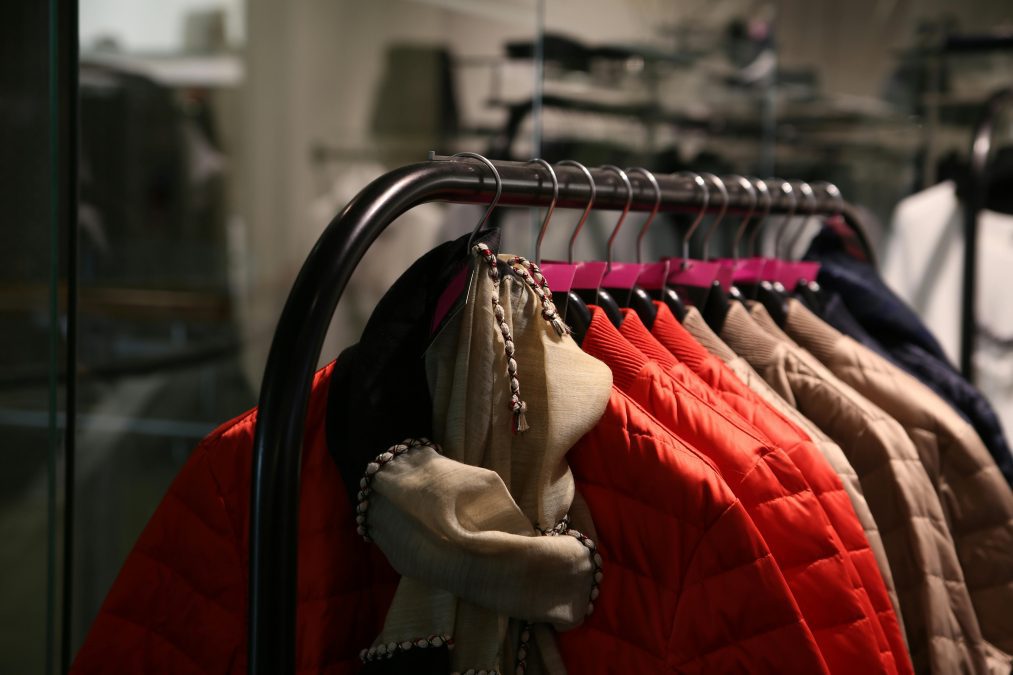
Always check all the stress points like the armpits, the crotch area and all zippers. This will save you a lot of frustration. Also, do the smell test; if the smell is too strong from the disinfectant, you might need to wash it at least 4 times before you can wear it.
Know the geography
Not all areas are created equal. Although it houses stalls for a variety of goods, the “California” side of Gikomba is mostly known for high-quality menswear and shoes, while the riverside is known for bedding and curtains. Toi market, on the other hand, is known to be famous for high-end workout wear, unique vintage finds and ladies’ fashion. Although the prices are slightly higher, it is generally cleaner and easier to navigate than Gikomba.
Master the psychological bargain
Don’t be overexcited about anything you see in these markets. Most of the sellers are masters at learning the buyer’s psychology and might end up doubling the prices. That said, pick up the item you like and also pick two or three others that you don’t care about and ask for their prices first.

If they say 900 ksh, use the budget lie and tell them you are down to your last 500 ksh. You can insist to them that you were actually done with your shopping and were on your way home. Most of the time, they would rather take the cash than let you walk away with it.
Safety and logistics
When it comes to saving your money, it is advisable to carry money in small denominations (200s, 100s, 50s). Many times, it becomes difficult for you to bargain when you pull out a 1,000 Ksh note for a 150 Ksh top, trying to convince the seller that you are broke. Also, make cash your preference. It is faster and safer; keep your phone as hidden as possible.
Long story short, with the correct approach, mindset and skill, you will always emerge a winner when it comes to thrift shopping.