Do women risk wearing lingerie and thongs
By David Nthua, January 7, 2026Women, especially from Kenya, love fashion, and that is not a bad idea. Clothing is a form of self-expression, confidence, and comfort. Lingerie and thongs have become popular for many reasons, including style, body confidence, and how they sit neatly under clothes.
However, beyond appearance, questions often arise about health. Do thongs and lingerie pose risks, or are the concerns exaggerated?
Science and medical experts have weighed in on this topic, and their views help separate fact from myth.
One of the most discussed concerns is infections, according to gynaecologist Alyssa Dweck, who spoke to WEBMD.
“Thongs can increase the risk of bacteria being transferred from the rectal area to the vaginal area, especially if they are tight or worn for prolonged periods,” she said.
She further explained that this bacterial transfer may increase the risk of urinary tract infections and bacterial vaginosis, particularly when hygiene is poor or when thongs are worn daily without breaks.
Scientific research supports this concern cautiously. A study published in 2008 in the journal Obstetrics and Gynecology examined underwear habits and vaginal health.
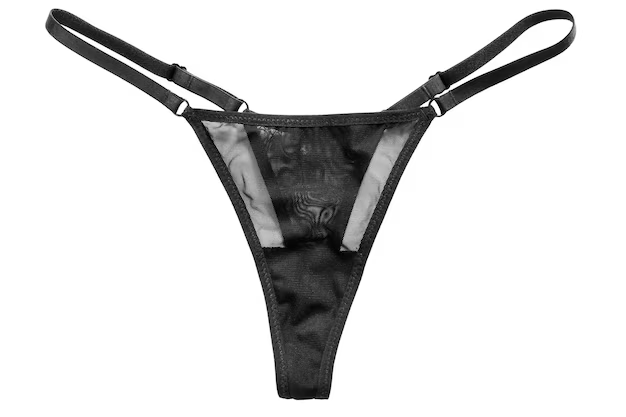
The researchers noted that “underwear style alone does not directly cause infection,” but added that tight-fitting undergarments that trap moisture “may encourage bacterial growth,” especially in warm and humid climates.
This finding is particularly relevant in Kenya, where heat and humidity are common throughout the year.
Another issue experts highlight is skin irritation and friction. According to Mary Jane Minkin, a clinical professor of obstetrics and gynaecology at Yale University, “Synthetic thongs can cause irritation, chafing, and tiny abrasions on delicate skin.
She explained that although these abrasions may not be visible, they can create openings for bacteria and lead to discomfort or infection over time.
Fabric choice also plays a major role. A 2018 report by the British Association of Dermatologists warned that “non-breathable fabrics increase sweating and skin irritation, particularly in sensitive areas.”
The report recommended cotton based underwear because it “allows airflow and reduces moisture buildup.” This is why many doctors advise breathable materials for everyday wear.

Yeast infections are another concern often linked to lingerie and thongs. According to the Mayo Clinic, yeast thrives in warm and moist environments.
In its 2021 patient education materials, the clinic explained, “Tight clothing and non-breathable fabrics can create conditions that encourage yeast overgrowth.”
However, the same source clarified that “underwear alone does not cause yeast infections,” noting that factors such as immunity, antibiotic use, and overall hygiene play a significant role.
Experts also emphasise duration and context. Wearing lingerie or thongs occasionally, such as for a few hours, is generally considered low risk for healthy women.
Problems tend to arise when such underwear is worn all day, every day, especially during long commutes, workouts, or in hot weather.
Women’s health expert Jennifer Wider, speaking to Medical Daily in 2020, said, “Moderation is key. Wearing thongs occasionally is fine, but wearing them constantly without allowing the skin to breathe can increase irritation and infection risk.”
In the Kenyan context, lifestyle matters. Long working hours, frequent movement, public transport, and limited access to clean facilities in some settings mean that comfort and hygiene should guide underwear choices.

Kenyan medical practitioners have also advised women through local health forums to avoid sleeping in tight underwear and to change out of sweaty clothes as soon as possible.
Importantly, lingerie and thongs are not inherently dangerous. According to the American College of Obstetricians and Gynecologists, “There is no medical rule against wearing thongs or lingerie.”
The organisation emphasises that fit, fabric, cleanliness, and listening to your body are what matter most.
In conclusion, women do not automatically risk their health by wearing lingerie or thongs. The risk depends on how often they are worn, the materials used, hygiene habits, and individual sensitivity.
Fashion and health do not have to compete. With informed choices, women can enjoy both comfort and confidence safely.