Reasons why carpooling could be Nairobi’s quiet answer to rising fares and long queues at commuter hubs
By Ascah Mwango, January 21, 2026Carpooling is the practice of sharing a car ride with other people who are travelling along the same route or to the same destination, usually to save money, reduce the number of vehicles on the road, and make commuting more convenient and comfortable. In a carpool, passengers typically split costs such as fuel, parking, or maintenance, while the car owner provides the vehicle for the trip. It is a practical and collaborative way to travel, especially in cities with high transport costs, heavy traffic, or long queues for public transport.
Navigating Nairobi every morning often feels like an extreme sport that no one signed up for, where time, money, and patience are the main competitors. The city awakens with streets already congested, buses packed beyond capacity, and queues that seem to stretch forever, leaving commuters squeezed, stressed, and constantly checking their watches.
By sharing rides with neighbours or colleagues along the same route, commuters can transform the otherwise exhausting routine into a manageable, practical, and even socially rewarding experience, making Nairobi’s busy streets a little friendlier and a lot less expensive.
Steep transport costs
For many Nairobi residents, commuting is no longer just a daily routine; it is a significant expense that slowly eats into monthly budgets. Spending three to four hundred shillings every day on public transport may seem manageable at first. Still, by the end of the month, it accumulates into thousands of shillings gone without producing any tangible benefit beyond reaching the office. Unexpected fare increases caused by rainy days, traffic congestion, or fuel price spikes only add to the frustration, making daily commuting feel unpredictable and expensive.
Carpooling offers a practical solution by allowing multiple commuters to share a single vehicle, splitting fuel and minor operating costs. This arrangement reduces the amount each person pays significantly and creates a more reliable and predictable commuting expense.
Use what exists around you
Carpooling does not require any complicated apps or purchasing a new car; it can start right within your immediate neighbourhood. Perhaps a neighbour owns a car, or someone in your building drives to work along the same route. By pooling together, several residents can take turns using a single vehicle for their daily commute. Contributions to fuel, occasional parking fees, and minor maintenance create a fair system that benefits everyone involved.
What makes this arrangement so effective is that it is built on trust, proximity, and common sense, using what already exists rather than relying on complex or expensive solutions.
Beating peak hour stress and queues
Peak hours in Nairobi are notorious for long lines, overcrowded vehicles, and chaotic commuter hubs where everyone seems to be pushing, shouting, and scrambling to get a spot.
Carpooling transforms this stressful scenario into a much calmer experience. When commuters agree on a pick-up time and travel together, the uncertainty disappears. There are no queues, no disputes over fares, and no frantic rush to squeeze into the last available seat.
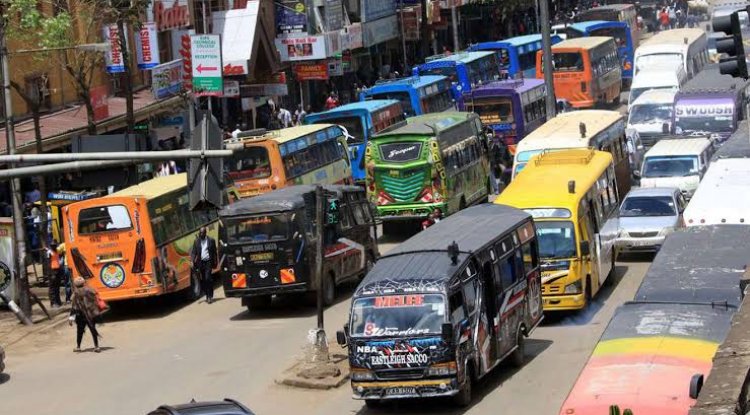
Even when traffic slows everyone down, the journey is more comfortable because passengers are seated, secure, and not battling the chaos of public transport.
Saving time
Time is one of the most valuable commodities for a commuter, and public transport often demands leaving home hours earlier than necessary just to avoid delays. Carpooling creates predictability in the daily schedule, allowing commuters to plan departure times and arrival windows with more confidence. This extra time in the morning, even if it is just thirty or forty minutes, can be spent resting, preparing properly for the day, or simply starting the day less stressed and more focused. By reducing the uncertainty of the commute, carpooling gives back control over one of the most hectic parts of the day.
Building community
Beyond saving money and time, carpooling has the often-overlooked benefit of strengthening social connections. Sharing a ride with neighbours or colleagues provides an opportunity to talk, laugh, share stories, and sometimes even exchange useful information or opportunities. In a city where people often live side by side without interacting, carpooling creates a sense of community.
Neighbours and colleagues who share rides naturally develop trust, camaraderie, and support, transforming daily commuting into a social and human experience rather than an isolating, stressful task.
Reducing traffic and fuel waste
Nairobi’s traffic congestion is not just a result of poor road design or planning; it is also a product of too many cars on the roads carrying only one person each. When three or four commuters share a single car instead of driving separately, the number of vehicles on the road decreases, which can reduce congestion, fuel waste, and air pollution. One car may not change the city dramatically, but if more residents adopt carpooling, the cumulative effect would be significant, making the city slightly easier to navigate while benefiting the environment.
Comfort and safety matter
Public transport in Nairobi can often be uncomfortable, stressful, and sometimes unsafe due to overcrowding, reckless driving, or petty crime. Carpooling provides a safer and more comfortable alternative because commuters are travelling with people they know and trust.
The environment is controlled, the pace is predictable, and passengers can enjoy their commute without unnecessary stress. The ability to leave the chaos behind and ride in a calm, familiar setting makes carpooling appealing for anyone who values both comfort and peace of mind.