Advertisement
Why police recruitment will be different for the first time
09th September, 2025 07:17 AM

In a move that promises to overhaul the recruitment process for the police service, Interior Cabinet Secretary Kipchumba Murkomen has unveiled a series of groundbreaking reforms.
These changes are designed to tackle corruption, ensure fairness, and rebuild public confidence in one of the country’s most critical institutions.
The upcoming police recruitment exercise, scheduled to commence soon, will introduce several significant changes aimed at addressing long-standing issues of malpractice, lack of transparency, and irregularities that have historically plagued the process.
The changes will also address the challenges applicants face, making the recruitment journey fairer and accessible.
The recruitment of 10,000 police constables is expected to set the pace, as it will be conducted entirely online, with applicants required to submit their details virtually. The National Police Service Commission is expected to give out a portal where interested applicants will register using their national identity cards and create passwords, before submitting the required documents.
Also Watch: Parliamentary Committee Urges More Funding to Boost Healthcare Facilities
Strict timelines
One of the major reforms Murkomen has announced is the imposition of strict timelines for the recruitment process. All recruitment activities will be required to conclude by 4 pm, eliminating the opportunities for irregularities that often arise after dark.
For years, the late hours have been associated with issues such as unexplained medical rejections and bribery. Families of unsuccessful candidates have sometimes been told their loved ones failed medical tests with little or no explanation. Worse, some candidates have reported being asked for bribes, disguised as medical letters, to secure a favourable result.
Murkomen emphasised that such practices will no longer be tolerated, as recruitment activities must wrap up by daylight.
“Tunataka next recruitment iishe saa kumi…giza ikiingia na mnaambiwa sasa ni medical, maneno inatokea. Unaambiwa hakuna barua, na kumbe hiyo barua ni elfu mia tano au mia sita,” he stated.
Centralised Medical examinations
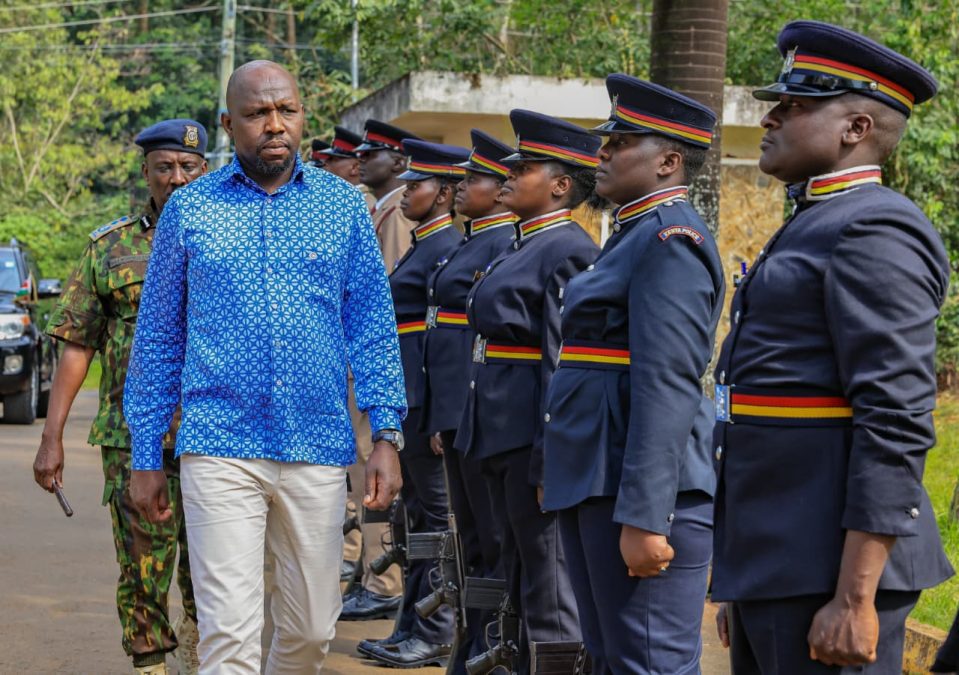
To further address these concerns, Murkomen revealed that medical tests will no longer be conducted at recruitment centres but will instead take place at the police training school. This is a crucial move, aimed at curbing the temptation for those involved in the recruitment process to extort money from vulnerable candidates.
By centralising medical examinations, the government intends to remove any potential conflicts of interest or opportunities for corruption that have existed at the local level. This will also ensure that all candidates are tested under the same conditions, promoting fairness and eliminating discrepancies in the evaluation process.
Enhanced public monitoring
In a bid to ensure absolute transparency in the process, the government will deploy independent observers to oversee every recruitment centre. These observers will include representatives from civil society, religious leaders, and community representatives, all of whom will help verify results and monitor the entire recruitment exercise.

Murkomen emphasised the importance of public accountability by insisting that all successful candidates must be publicly listed by the end of the day, with results posted on noticeboards at each centre. This step is designed to make the process open and transparent, allowing the public to track the results and ensure there is no room for manipulation or dishonesty.
“Tukisema tunataka observers, tunataka kuona bishop hapo, civil society na representatives wa jamii. Wao wataona huyu kijana amekimbia vizuri na amekuwa number one, huyu amepita,” he remarked.
Open recruitment process
For the first time in recent memory, the police recruitment process will take longer than usual. Murkomen has revealed that the recruitment will span over 10 to 20 days, with no rush to complete the process. This is in stark contrast to previous years, where recruitment was often hurried, leading to irregularities and a sense of unfairness among candidates.
By spreading the process over a longer period, the government hopes to ensure that every applicant is given a fair opportunity.
“No rush this time so that people can get a fair share of those being recruited,” Murkomen said.
Fighting bribery
Perhaps one of the most compelling parts of Murkomen’s plan is his call for local communities to take an active role in discouraging bribery during the recruitment process. He urged local leaders and residents to unite and make a collective decision to reject bribery, emphasising that the fight against corruption is a shared responsibility.
“Who are these giving out bribes? Why can’t you call a meeting and resolve that we cannot accept anyone giving out money in our sub-county or in our area?”
This call for community involvement is a bold step toward eradicating the systemic corruption that has plagued the recruitment process for years. It highlights the need for a cultural shift, where communities hold one another accountable and demand integrity from both recruiters and applicants.
Murkomen’s reforms represent a decisive break from the past, where corrupt practices, lack of transparency, and rushed processes have too often marred the recruitment exercise. The introduction of strict timelines, centralised medical exams, independent observers, and a more gradual, open recruitment process all signal a clear intent to restore public confidence in the police force and ensure a fairer, more transparent recruitment.
As the new rules come into effect, the challenge now lies in ensuring their implementation. Public scrutiny and community involvement will be crucial in making sure that these reforms deliver on their promises.