Advertisement
Why Kenya Embassy warns of Mozambique visa breach
08th October, 2025 07:20 AM

Kenya’s High Commission in Maputo has cautioned its nationals against overstaying in Mozambique, following a rise in violations of the visa-free arrangement between the two nations.
Under the 2018 agreement between Nairobi and Maputo, Kenyans holding valid passports may enter Mozambique without a visa for up to 90 days.
However, the mission, which is led by Philip Githiora as the Head of Mission, says “an increase in cases of Kenyan nationals overstaying in Mozambique” has been noted, an act that “amounts to a violation of Mozambican immigration laws and attracts penalties, including possible legal repercussions.”
The High Commission urged citizens “to strictly comply with the permitted duration of stay to avoid inconveniences, fines, or other sanctions.”
The caution highlights Nairobi’s growing concern over adherence to bilateral travel frameworks, as African states move to ease mobility while tightening enforcement against abuse of visa-exemption regimes.
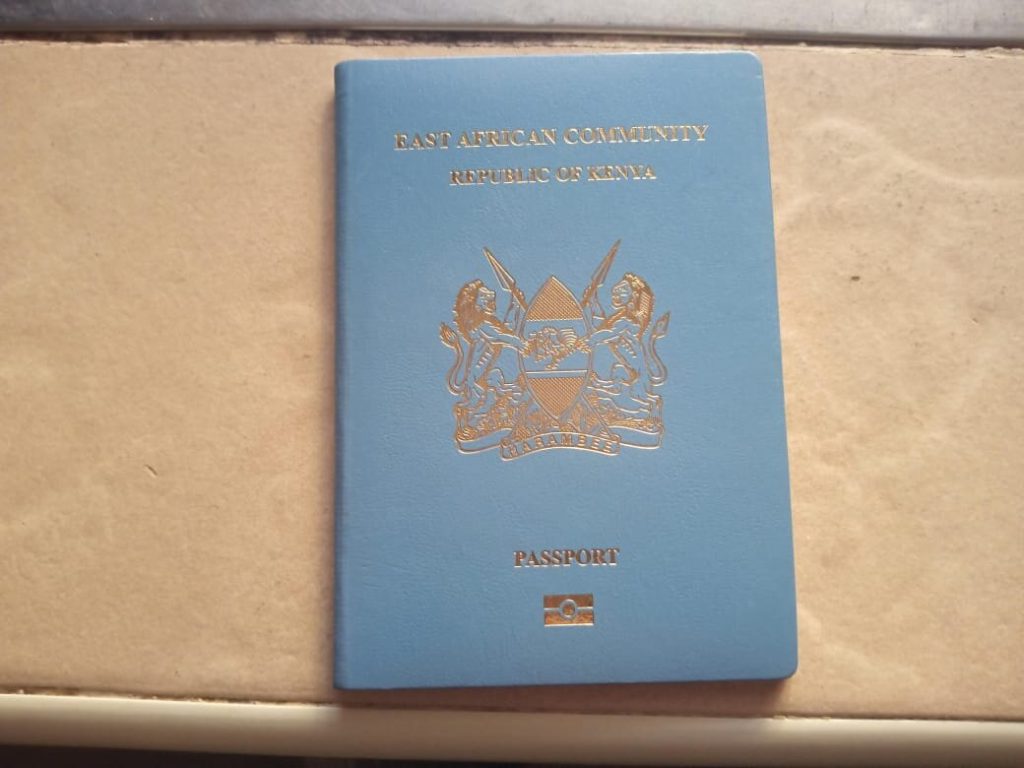
Kenya allows passport holders from Mozambique to access the country’s territories visa-free.
Kenya has also eliminated the need for Electronic Travel Authorisation (eTA) and visas for all African countries, allowing nationals to enter visa-free for up to 90 days.
Kenya’s pact with Maputo was designed to promote trade, tourism, and cultural exchange between the two nations.
However, the High Commission noted “an increase in cases of Kenyan nationals overstaying in Mozambique, contrary to the visa exemption agreement,” warning that continued abuse of the arrangement could undermine the goodwill between Nairobi and Maputo.
“We wish to remind all Kenyan nationals that overstaying beyond the 90-day limit is illegal and carries serious consequences,” said a spokesperson at the embassy. “The visa-free privilege should be respected to preserve Kenya’s reputation and maintain cordial relations with Mozambique.”
Nonetheless, the embassy emphasized that while the visa-free arrangement offers convenience, it must not be abused. Travelers are urged to monitor their stay durations carefully, regularize their immigration status where applicable, and seek assistance from the High Commission if facing travel-related challenges.
“Respecting the host country’s laws is a personal responsibility and a reflection of our national image abroad,” the spokesperson said.
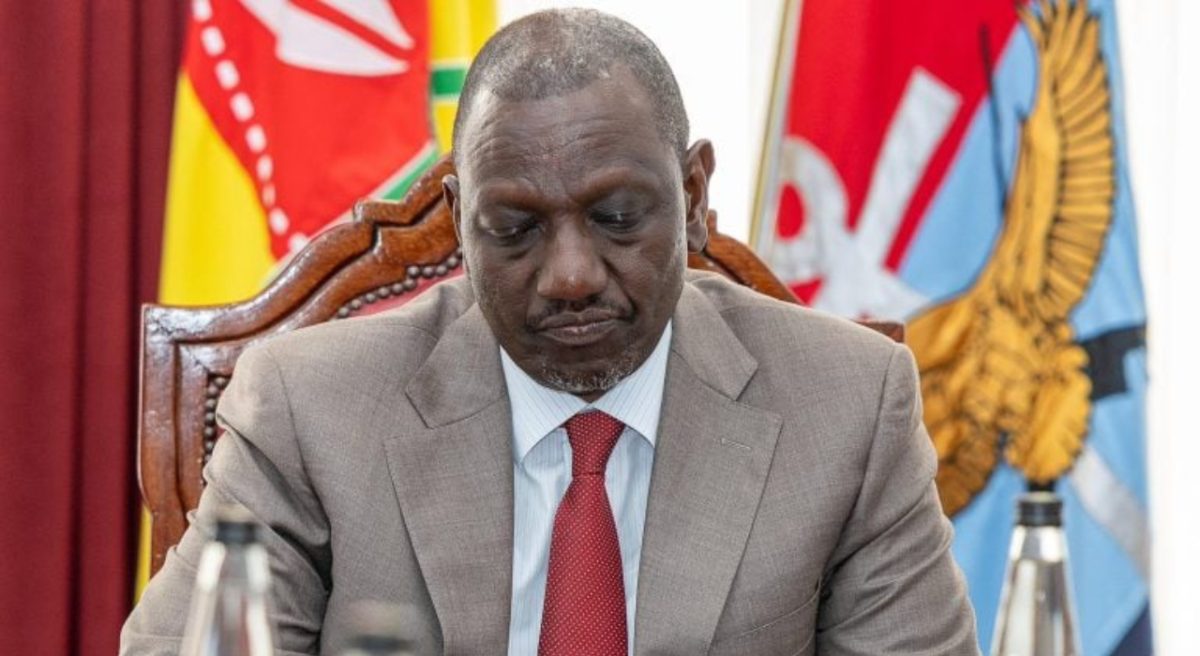
Blow to Ruto’s ambition?
This is a blow to President William Ruto’s Pan-African agenda, which has advocated for visa-free travel across the continent as a move to boost economic integration.
His decision to open the country’s borders to all Africans was perceived as an initiative to foster trade and diplomatic unity; however, regular breaches of similar arrangements, such as the one with Mozambique, risk undermining the ambition.
“It shall no longer be necessary for any person from any corner of the globe to carry the burden of applying for a visa to come to Kenya. To echo the call of the Turkana people to the world: “Tobong’u Lorre!” Kenya has a simple message to humanity: Welcome Home!” Ruto said.
Visa-free entry means travellers can enter a host country without the need for a visa, although visitors will still need passports to enter visa-free states.
Coming days after the United Nations General Assembly and the ongoing COMESA Summit, this could trigger partner countries to reconsider tightening the visa-free access for Kenyans, challenging the very ideals Ruto has been championing.
It also exposes the fragility of such agreements if not matched by responsible travel behavior and strong public awareness campaigns.