What you need to know before having a tummy tuck
By Nancy Marende, November 28, 2025A tummy tuck, medically known as abdominoplasty, is a popular cosmetic surgical procedure that removes excess skin and fat from the abdominal area while tightening the underlying muscles.
This procedure results in a smoother, firmer stomach contour, often sought by individuals with loose skin or muscle weakness due to significant weight loss, pregnancy, or ageing.
According to Yale Medicine, a tummy tuck addresses both the aesthetic and functional aspects of the abdomen, making it a comprehensive body-contouring solution.
A 2021 Medscape study found high patient satisfaction, with an average score of 8 out of 10 for aesthetic outcomes. While effective, the surgery carries typical surgical risks, including bleeding, infection, seroma (fluid buildup), and possible need for revision surgery, as highlighted by the American Society of Plastic Surgeons.
Locally, several public figures have openly embraced tummy tucks and shared their cosmetic surgery journeys. Among them is Pritty Vishy, who revealed she underwent liposuction, a tummy tuck, and a BBL, documenting the procedure and recovery while stating it boosted her confidence.
Lydia Wanjiru has also proudly shown off the results of her tummy tuck and BBL, thanking her surgeon and sharing transformation videos online.

Additionally, Amira, the influencer formerly married to Jimal Rohosafi, has been vocal about undergoing multiple corrective surgeries, including a tummy tuck after significant weight loss, explaining that the procedures helped her feel more comfortable and confident in her body.
Below is everything you need to know before getting a tummy tuck.
1. Understand the procedure and its purpose
A tummy tuck is not a weight-loss surgery. It removes excess skin and fat and repairs weakened muscles, but is best suited for people near their ideal weight with localised abdominal issues.
It can greatly improve the appearance of sagging or stretched skin that exercise and diet alone have not fixed.
During surgery, the surgeon lifts skin and fat off the abdominal muscles, tightens them with sutures, then redrapes the skin for a toned look.
2. Have realistic expectations
While tummy tucks can provide dramatic improvements to tummy contour, they do not replace healthy lifestyle habits. Results vary based on individual body type, skin elasticity, and the surgical technique used.
A study reviewing patient outcomes noted that combined procedures, like liposuction with abdominoplasty, do not increase risks but require careful surgical planning.
3. Know the risks and recovery process
Risks include those familiar to surgery: anaesthesia complications, bleeding, infection, poor wound healing, and scarring. There may also be numbness or altered skin sensation around the incision.
Full recovery takes several weeks; patients should expect swelling and limited physical activity.
A preoperative physical examination and choosing an experienced plastic surgeon can minimise these risks.
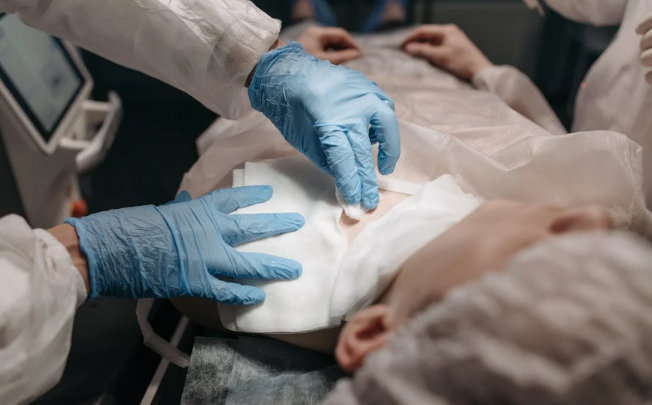
4. Preparation and communication with your surgeon
Discuss your medical history, weight stability, smoking status, and expectations with your surgeon. Smoking significantly increases postoperative complications.
Your surgeon will advise on preoperative steps, such as blood tests and medication adjustments, and explain post-op care, including drains and compression garments.
5. Consider the cost and commitment
Tummy tucks can be costly and are typically elective, meaning insurance usually doesn’t cover them unless medically necessary. Factor in surgery costs, anaesthesia fees, recovery time off work, and potential for additional treatments.
Commitment to maintaining results through a healthy lifestyle is crucial.
6. Postoperative care and long-term maintenance
Proper wound care, avoiding strenuous activity, and attending follow-up appointments are vital to healing. Long-term results depend on stable weight and avoiding pregnancy after surgery.
Some patients opt for regular maintenance, like skin firming treatments, to prolong firmness.