Top 5 red flags that indicate your iPhone is fake
By Steve Ireri, August 23, 2025With the rise of counterfeit gadgets, it is becoming increasingly difficult for consumers to distinguish between genuine iPhones and expertly crafted replicas. These fake devices are often designed to look nearly identical to the real thing, from the exterior casing to the packaging, making it easy for unsuspecting buyers to be misled.
However, subtle details, ranging from the quality of the build and accessories to software behaviour and serial number verification, can reveal whether a device is authentic. Being able to recognise these signs is crucial, as purchasing a fake iPhone not only leads to financial loss but can also expose users to security risks, including data breaches, malware, and reduced device performance.
In markets like Kenya, where counterfeit electronics are increasingly sophisticated, consumer awareness and careful inspection have become essential steps before investing in a device. Knowing what to look for can save you from financial loss and potential security risks.
1. Packaging and accessories
Genuine iPhones come in meticulously designed packaging, with every accessory, charging cable, earphone, and piece of documentation neatly arranged and of high quality.
Counterfeit phones often cut corners, using cheaper materials, blurry printing, or even missing manuals. For instance, a genuine iPhone box has sharp, precise fonts, consistent colours, and a flawless finish. If the box feels flimsy, the print looks off, or the accessories seem low quality, it is a strong indication that the device might not be authentic.
2. Price too good to be true
Apple devices maintain a standard pricing structure worldwide. While occasional promotions and offers exist, a price that is far below market value should immediately raise suspicion. Fake iPhones are often sold at steep discounts to lure buyers who are eager to get a “deal.”
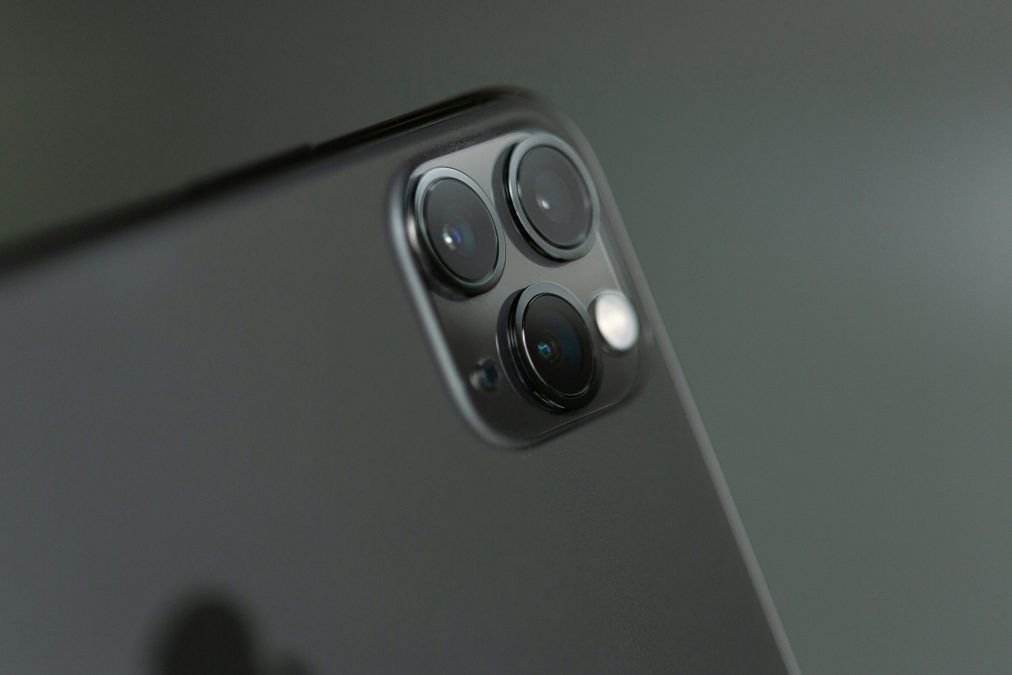
If the price seems too good to be true, it probably is, and rushing into a purchase without proper verification can lead to disappointment or financial loss.
3. Physical build and screen quality
Apple is known for its impeccable design and craftsmanship. Genuine iPhones have smooth edges, perfectly aligned buttons, and high-quality glass that feels sturdy to the touch. Counterfeit devices often cut corners in build quality. You may notice uneven seams, buttons that feel loose, or glass that seems thinner or less durable. The screen is another giveaway—fake iPhones often have lower resolution, dull colours, or a display that does not respond smoothly to touch. Comparing the device side by side with a verified iPhone can reveal these subtle differences.
4. Software anomalies
Perhaps the most revealing sign of a fake iPhone is its software. Authentic iPhones run iOS, known for its seamless performance, intuitive interface, and pre-installed Apple apps. Counterfeit phones often mimic iOS using Android skins, but inconsistencies become apparent quickly.
Look out for missing default apps, irregular icons, menus that look out of place, or slow performance. Apps may crash frequently or fail to open, and certain iOS features, such as FaceTime, iMessage, or the App Store, might be absent or replaced by imitation versions. These anomalies are strong indicators that the phone is not genuine
5. Serial numbers and IMEI verification
Every iPhone has a unique serial number and IMEI code that can be verified on Apple’s official website. This is one of the most reliable methods to confirm authenticity. If the device is missing these numbers, the numbers do not match, or the verification fails, the phone is likely fake.
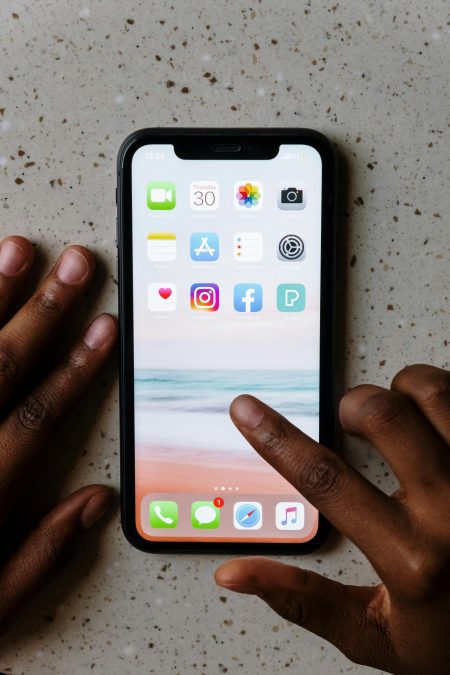
Buyers can also check the packaging, settings, or the SIM tray for these codes. Ensuring that these identifiers are valid provides a crucial layer of protection against counterfeit devices.
Being aware of these red flags can protect consumers from costly mistakes and security vulnerabilities. In Kenya, where counterfeit electronics are becoming increasingly sophisticated, taking the time to inspect a phone thoroughly before purchase is essential. A few minutes of careful checking can save hundreds, if not thousands, in both money and potential risks to personal data.