Raila Odinga’s funeral: Traditional burial rites of Luo community
By Eric Juma, October 18, 2025The sudden death of ODM leader Raila Odinga has seen elders reviving the Luo cultures and rituals aimed at giving him the last respect as an elder.
Traditionally, the people of Luo undertake 14 rituals before it can be said that a funeral is complete.
Also watch: Public viewing of the late former Prime Minister Raila Odinga in Kisumu
First is the death announcement that was purely the role of women. The death would be announced with the loud wailing of women, accompanied by the sound of drums.
It is typically done either late in the evening, which suggests that an elderly person has passed away, or in the early hours of the morning.
However, if a baby dies in the morning, the announcement is made immediately, and the burial is done the following morning.
Any married daughters of the deceased were not allowed to mourn their father until they first informed their husband’s family and returned to their father’s home, and the sons-in-law of the head of the household were not allowed to mourn until after the funeral.
Also watch: Kisumu residents and leaders mourn the death of Raila Odinga
In order to tie up any remaining loose ends for the deceased and to prepare for the funeral, there were several tasks, including sending messengers to relatives and friends of the deceased, paying dowry, and finishing home repairs, that needed to be completed by the family and community of the deceased before the burial process could begin.
As for Raila, the death was announced by Oburu upon returning from Mumbai to collect the body of Raila Odinga.
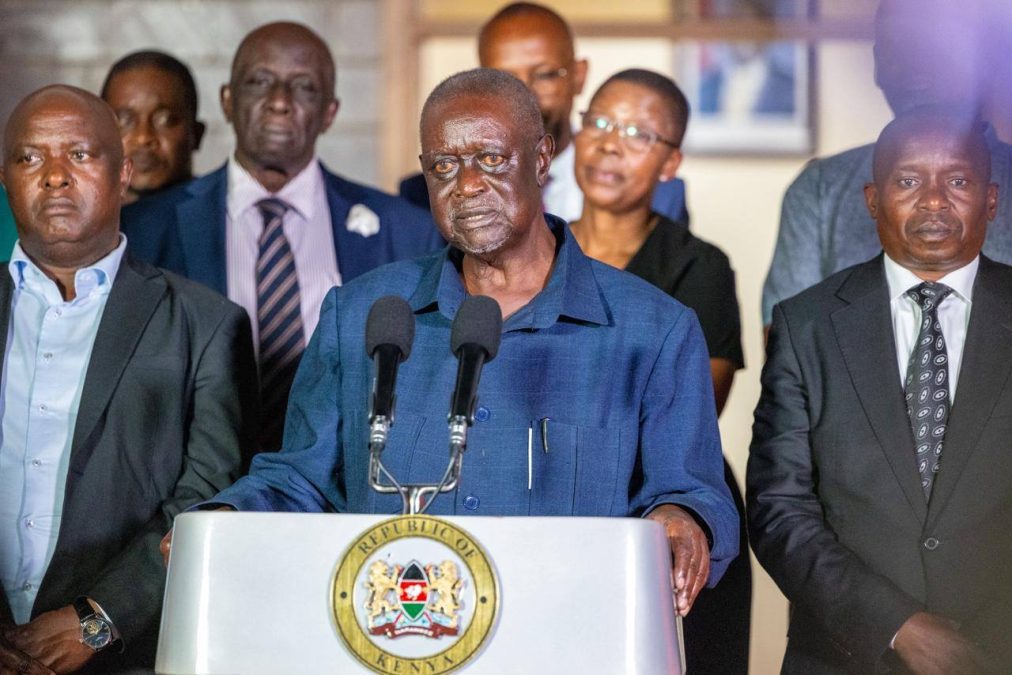
“We have just landed from India, where we went to collect the body of Raila, and as culture dictates, I am here at his Bondo home to announce his death,” Oburu said.
The elders pitched a tent at Opoda farm, the home of Raila Odinga, since Wednesday, October 15, 2025, the day his death news was announced in the country.
Padho
The culture is known as padho, meaning ‘sitting at the deceased’s home’ till the burial day.
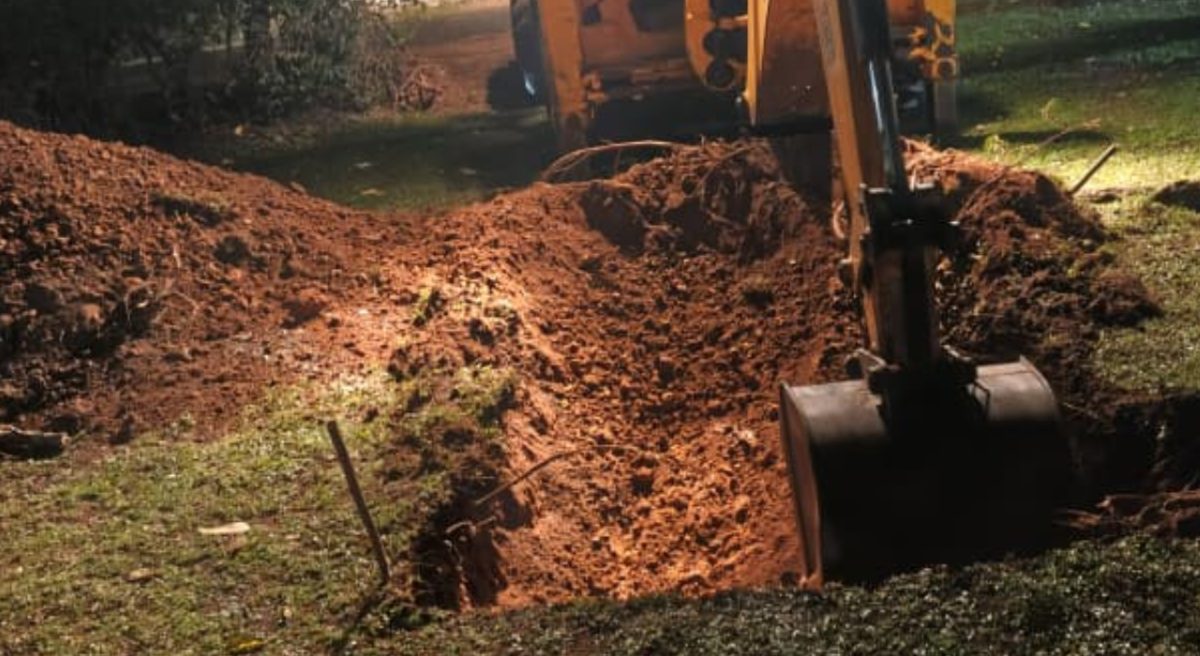
Next is grave digging, and it’s done on a site identified by elders; as in Raila’s case, he had identified his burial site, next to his father, Jaramogi Oginga Odinga.
According to Luo culture, the burial site, which was always in front of the first wife’s house with the head facing the front of a gate, was identified, and digging commenced.
A cousin of the deceased began the digging, followed by the grandchildren. These people were unpaid and did it solely out of respect and obligation.
Also watch: Siaya county assembly holds special sitting to mourn Raila Odinga
On several occasions, once a site has been identified, the male kin of the deceased, accompanied by the church, blesses it, and ground is broken to allow youths to dig it. However, at Kango-Kajaramogi, the home of Jaramogi, Oburu broke the ground.
In circumstances where the deceased is young and unmarried, a male is buried by the right side of his mother’s house; if married with children, a female is buried on the left side of her house.
Digging is done in the night through the wee morning, followed by the burial itself.
Accompanying the spirit of the dead, this ritual is performed when males have died, and it takes place close to the river; it is done to ensure that water drags out the spirit.
The animal slaughtered in this ritual is determined by the status of the dead. When a young person dies, a cock is killed; when it is an elder, cattle is killed, and the ritual is done again with a cock.
When the day of burial came, the “Tero Buru” ritual was performed; the community dressed in costumes and masks chased, mocked, and chanted away any evil spirits from the burial site. For the next three days, the mourning would continue from the wives and daughters, who would weep only early in the morning and late in the evening to show their respect and appreciation.
Other rites
The Luos also undertake a culture of shaving the widows, which sets the widow free from the mourning taboo.
The shaving of the widow’s marks the beginning of her new life, and hence she can remarry or be inherited. A man is only involved when the woman who died was his first wife.
Luos also race back home as per their seniority in terms of age, meaning that if the father dies, the children, if married, will return to their homes in the order of birth.
After the funeral was completed, the people dispersed by order of seniority and family status: first the sons, by age; next, the daughters; finally, the wives, who often stayed for up to sixty days.
“The first son or daughter of the deceased must perform sex with the partners and deliver news to their followers, who shall embrace the culture and report to the other siblings.”
In case any goes contrary or breaches the culture, they will die. In case any of the deceased elder daughter or son is not married but followers are married, they have to seek a partner and perform the culture to set others free.
The Luos also share the meal with the deceased as a way of appeasing them, commonly known as ‘duogo liel’. This is done twice, once by the married women and the other by the children of the deceased.
The relatives return to share a meal with the deceased to make them happy, also signifying the start of a new life. This ritual takes exception to bachelors.
The last rites are the sharing of properties, remembrance of the dead, and sharing a meal with the family of the deceased by affinity.
The property and clothes of the deceased are shared in public.
Other rituals may be assumed which are not a part of the fourteen, as the situation may be, such as in the case of a dead virgin girl. In this regard, a ritual to deflower the girl by an elderly woman is held.