List of penalties schools and candidates face for exam cheating
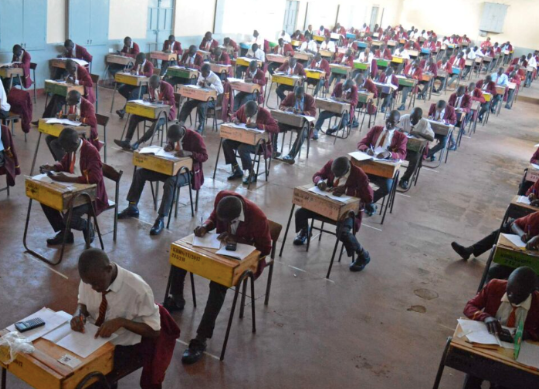
By Nancy Marende, November 21, 2025Kenya has intensified its crackdown on examination malpractice as the Ministry of Education and the Kenya National Examinations Council (KNEC) move to protect the credibility of national assessments, with over 3.4 million candidates sitting for the 2025 Kenya Certificate for Secondary Education (KCSE).
During the 2025 KCSE examinations, which ended on November 21, 2025, 418 candidates were implicated in malpractice, a significant drop from 614 cases in 2024.
Despite the decline, the government maintains that any individual or institution found culpable will face the full force of the law under the KNEC Act 2012.
Below is a detailed list of the penalties schools, candidates, and other parties involved in exam cheating may face:

1. Deregistration of Examination Centres
Deregistration means the affected institution cannot host future KCPE or KCSE examinations, forcing students to register elsewhere.
Schools found to have aided or abetted cheating risk being struck off the list of registered examination centres. This penalty is applied in cases where school administrators collaborate in exam leakage, invigilators fail to uphold examination guidelines and systematic cheating is detected within the school.

2. Nullification of Results
Candidates found guilty of cheating may have their entire examination results cancelled. Once nullified, candidates must wait until the next exam cycle to register afresh.
This penalty applies to possession of unauthorised materials, collusion between candidates, use of mobile phones or communication devices and copying or receiving assistance during exams
3. Disqualification from Future Exams
Beyond cancelling results, KNEC may bar candidates from sitting subsequent national examinations. This is especially enforced in cases involving bringing unauthorised exam materials, organised cheating rings and repeated malpractice attempts.
The severity of the ban is determined by the gravity of the offence.
4. Impersonation Sanctions (Barred Until 2027)
Impersonation remains one of the most serious exam offences. Candidates or individuals caught impersonating others, or facilitating impersonation, face immediate disqualification, nullification of results and a ban from sitting the KCSE until 2027.
Other individuals involved, such as hired impersonators, may face arrest and criminal prosecution.
5. Criminal Prosecution
Where serious offences are detected, such as leakage of exam papers, coordinated cheating networks, forgery of examination materials and impersonation involving adults or organised groups. KNEC, in collaboration with law enforcement, may pursue criminal charges.
Convictions may lead to fines, imprisonment, or both, as outlined in the KNEC Act.
6. Disciplinary Action Against Teachers and Invigilators
Teachers, supervisors, or invigilators involved in malpractice may face immediate suspension, revocation of TSC registration, transfer or demotion and criminal prosecution for aiding cheating. The ministry has repeatedly warned school staff against compromising exam integrity.