Govt explains how social media ban for teens will work
By BBC, November 21, 2025From December 10, 2025, social media companies will have to take “reasonable steps” to ensure that under-16s in Australia cannot set up accounts on their platforms and that existing accounts are deactivated or removed.
The government says the ban – a world-first policy popular with many parents – is aimed at reducing the “pressures and risks” children can be exposed to on social media, which come from “design features that encourage them to spend more time on screens, while also serving up content that can harm their health and wellbeing”.
A study commissioned by the government in early 2025 said 96 per cent of children aged 10-15 used social media and that seven out of 10 of them had been exposed to harmful content and behaviour. This behaviour ranged from misogynistic material to fight videos and content promoting eating disorders and suicide.
One in seven also reported experiencing grooming-type behaviour from adults or older children, and more than half said they had been the victims of cyberbullying.
What platforms are affected?
The Australian government has so far named ten platforms to be included in the ban: Facebook, Instagram, Snapchat, Threads, TikTok, X, YouTube, Reddit, and streaming platforms Kick and Twitch.
It is also under pressure to expand the ban to online gaming. Fearing they may be targeted, gaming platforms such as Roblox and Discord have recently introduced age checks on some features in an apparent bid to ward off inclusion in the ban.

The government has said it will continue to review the list of affected platforms and will consider three main criteria when doing so.
These comprise whether the platform’s sole or “significant purpose” is to enable online social interaction between two or more users; whether it allows users to interact with some or all other users; and whether it allows users to post material.
YouTube Kids, Google Classroom, and WhatsApp are not included as they were not deemed to have met those criteria. Children will also still be able to view most content on platforms like YouTube, which do not require an account.
How will the ban be enforced?
Children and parents will not be punished for infringing the ban – it is social media companies who are charged with enforcing it, and they face fines of up to Ksh4.96 billion for serious or repeated breaches.
The government says these companies must take “reasonable steps” to keep kids off their platforms, and use age assurance technologies – without specifying which ones.
Several possibilities have been raised, including the use of government IDs, face or voice recognition, and age inference. The latter of these uses online information other than a date of birth – such as online behaviour or interactions – to estimate a person’s age.
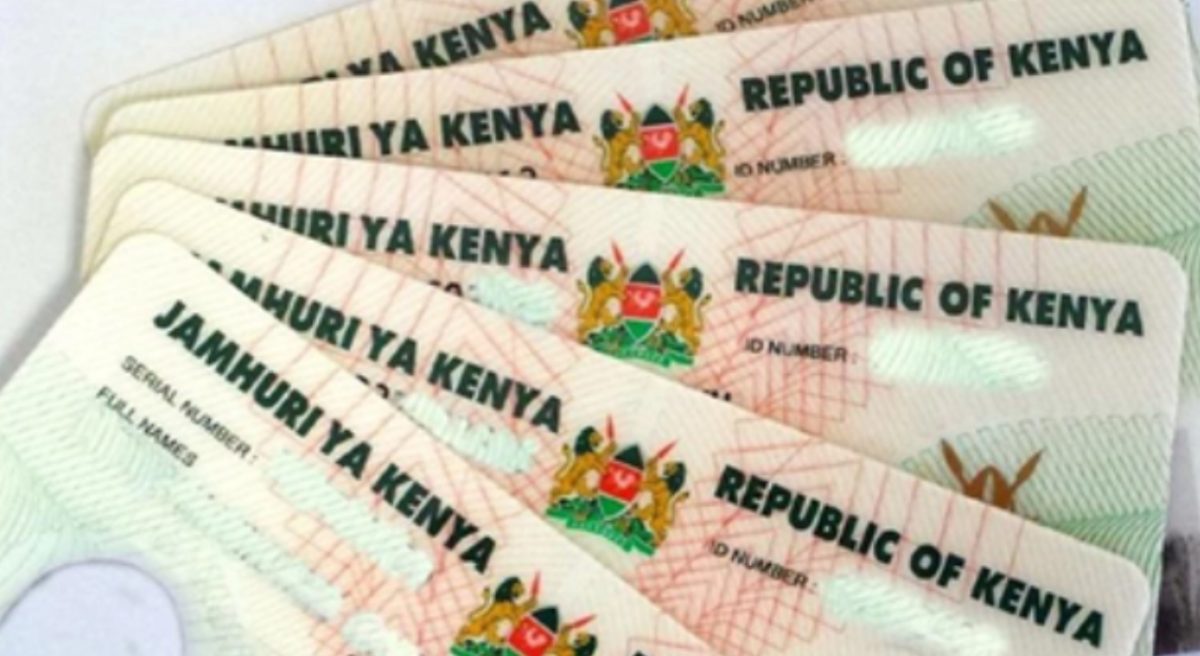
The government is encouraging platforms to use multiple methods. It has also been said that platforms cannot rely on users declaring their own age, or on parents vouching for their children.
Meta, which owns Facebook, Instagram, and Threads, has announced it will begin closing teen accounts from December 4, 2025. Those mistakenly kicked off could use a government ID or provide a video selfie to verify their age, the company said.
The other affected platforms have not yet said how they will comply with the ban.