Advertisement
Boomzy dilemma: Celebrating World Beer Day amid NACADA’s far-reaching proposals
01st August, 2025 03:47 AM
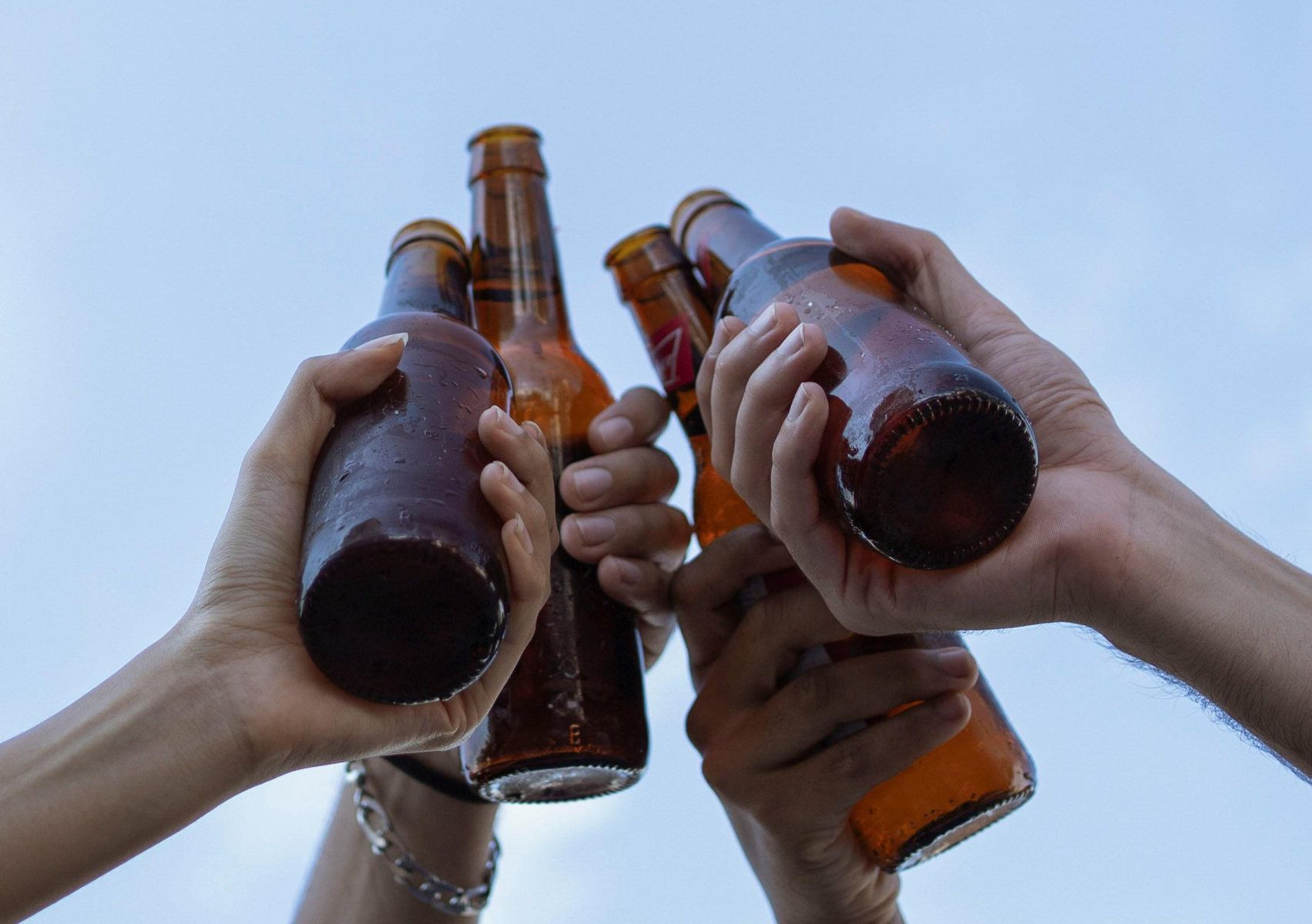
As Kenya joins the world in celebrating World Beer Day, city pubs, roadside braais, and university hangouts ready themselves for festive gatherings, raising glasses in unity as friends come together to enjoy the occasion.
Born in Santa Cruz, California, in 2007, International Beer Day has evolved into a global celebration held annually on the first Friday of August. Now observed in over 80 countries around the world, it is a moment for friends to gather, honour brewing culture, and share in the joy of raising a beer together.
However, in Kenya, this cultural moment unfolds amid a growing national debate over NACADA’s sweeping 2025 National Policy on Alcohol, Drugs and Substance Abuse.
This framework proposes far-reaching reforms.
NACADA’s proposed policy
According to NACADA, the policy has not yet been enforced as law, but it outlines some bold proposals intended to curb rising substance abuse in the country.
If adopted, the policy would ban online alcohol sales and home deliveries. It also proposes that alcohol should no longer be sold in supermarkets, petrol stations, restaurants, residential areas, or near learning institutions.
The policy recommends raising the legal drinking age from 18 to 21. Under this proposal, anyone below 21 would not be allowed to enter alcohol-selling outlets, even when accompanied by adults. Anyone accompanied by a child or found carrying dangerous weapons would also be prohibited from purchasing alcohol.
Another significant proposal is the restriction on using public figures in alcohol advertisements. NACADA wants to ban the use of musicians, actors, athletes, media personalities, and influencers in promoting alcohol. Only individuals over the age of 25 would be allowed to appear in alcohol-related adverts.

The policy also seeks to end lifestyle marketing that portrays drinking as glamorous or aspirational. Advertising during watershed hours between 5:00 am and 10:00 pm would be banned across all platforms, including television, online content, and foreign broadcasts. Music videos, films, and performances that portray alcohol or substance use in a positive light would be restricted from appearing in print or electronic media.
The proposals go further to ban alcohol advertising or sponsorship of events that target individuals below the age of 21. Marketing alcohol at schools, universities, youth sports, entertainment shows, and arts competitions would also be banned. Outdoor alcohol advertising would face new rules, including a ban on billboards within 300 metres of schools, hospitals, residential areas, and government buildings.
The policy suggests that all alcohol advertisements should contain only factual information. They would not be allowed to promote the strength or supposed benefits of alcohol, dismiss abstinence, or link alcohol to a specific lifestyle.
Changes are also proposed to alcohol packaging. Manufacturers would be required to include clear health warnings and full ingredient lists. A minimum packaging size of 250 millilitres would be introduced in an effort to eliminate cheap, high-alcohol sachets and small bottles that are commonly consumed in informal settings.

Additionally, the policy recommends that only the national government should have the power to issue licences for the manufacture, import, export, and distribution of alcohol.
The proposal also calls for tighter regulation of the number and location of alcohol outlets, especially in residential and educational areas.
Celebration
Kenyans can mark World Beer Day, but this year, with reflection, choosing mature enjoyment over impulse, community over chaos, and tradition over recklessness.
As policy debates evolve, so can smarter, culturally informed celebrations that protect youth, respect traditions, and support livelihoods.