Advertisement
Best TV screen displays to consider ahead of X-mas season
25th November, 2025 10:40 PM
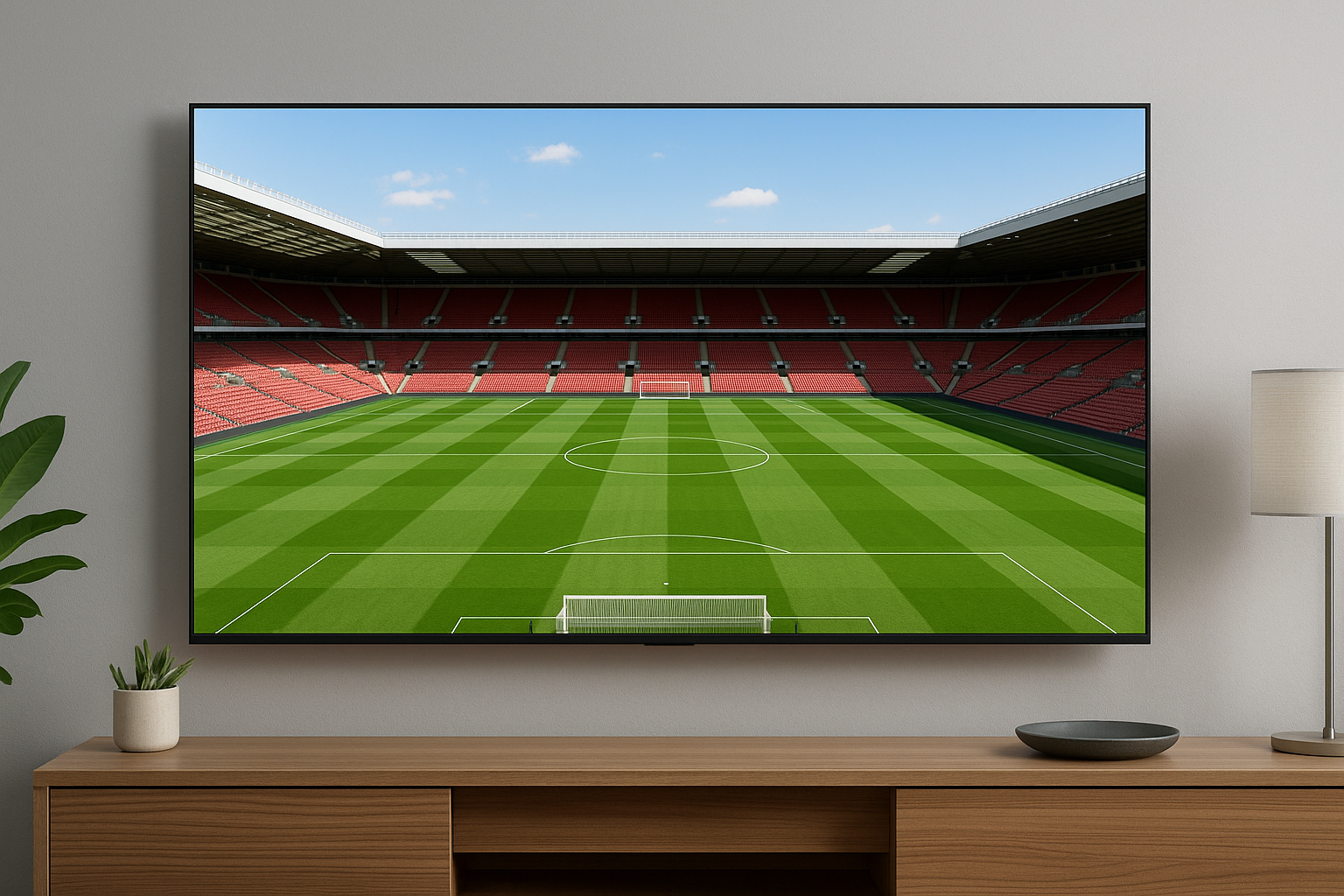
With Christmas festivities knocking on the doors of many, some have already planned to surprise their loved ones with TV screens, but without knowledge, they will end up making costly mistakes.
The excitement of gifting a new television is real, yet the disappointment that follows a poor choice can linger for years.
Many shoppers walk into stores asking for “a nice TV” but leave with something that looks dull, washed out, or uncomfortable to watch.
In this article, I will take you through each and every technology and what it means.
OLED explained in simple terms
OLED screens are built so that each tiny dot on the screen produces its own light. There is no big light behind the picture.

This allows parts of the screen to switch completely off when showing black scenes. Instead of grey-looking shadows, you get true deep blacks.
What this means for you is a more natural and realistic image. Faces appear soft and detailed. Night scenes look like real night, not like a foggy room.
If you enjoy emotional dramas, action movies or late-night viewing, OLED gives a calm and premium feeling to your eyes.
The picture feels smooth and rich, almost like looking through a clear window. It is for those who want a visual quality that feels close to a cinema environment.
QD-OLED made easy for beginners
QD-OLED takes the beauty of OLED and adds extra brightness and stronger colours.
Think of it as upgrading a good photograph into a high-definition masterpiece.
The screen still maintains excellent blacks but now gives more lively reds, glowing blues and crisp whites.

For the everyday viewer, this means more exciting visuals. Sunsets look warmer. Colours appear more alive without feeling harsh.
It is ideal for people who enjoy colourful content like animated movies, music videos and bright nature scenes.
You do not need to understand the science behind it. Just know that the picture will simply look more exciting and powerful.
Mini-LED for bright homes
Mini-LED uses many small lights behind the screen instead of a few large ones.
This allows the screen to control brightness more accurately. In real life, this helps the TV perform well even in rooms with large windows or strong daylight.
When watching during the day, the picture still stays clear and sharp. You will see more detail in both bright and dark areas.
The screen does not struggle when sunlight enters the room. This is perfect for busy households where TV time happens throughout the day, not just at night.
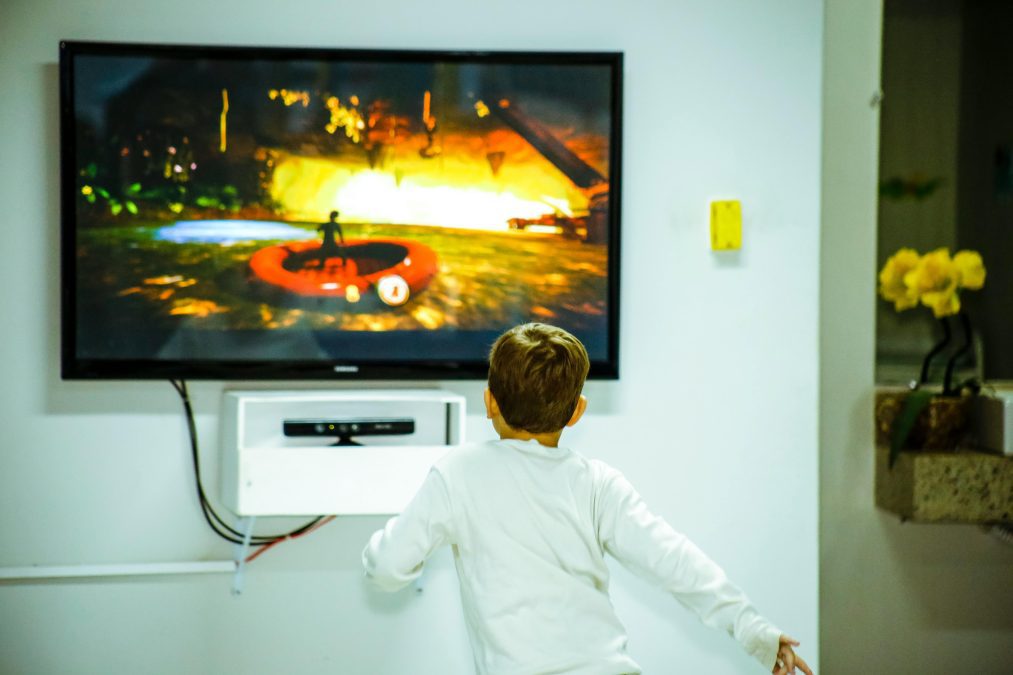
QLED for colour lovers
QLED screens are designed to make colours look bold and bright. A special layer enhances colour performance, making the display look cheerful and vibrant.
To the average viewer, it simply means the picture pops more.
Football fields look greener, skies look bluer, and cartoons appear more fun. If you love lively content and family entertainment, QLED offers an attractive balance between good quality and fair pricing.
Standard LED for simple viewing
This is the most common screen found in many homes. It uses basic lighting and delivers acceptable picture quality. You may notice that blacks are not as deep and colours are not as rich, but it still gets the job done.
For news, casual shows and regular viewing, this screen performs well. It is best for someone who wants a functional TV without focusing too much on visual perfection.
Understanding your real needs
Before choosing a TV, think about how you will use it. Will it be in a bright living room or a dim bedroom?
Will it be used for movies or simple daily viewing? These answers guide you more than price tags or fancy terms.
A TV should bring joy, not eye strain or regret. When you understand what these technologies do, you can walk into any store confidently and choose a screen that truly matches your lifestyle.