6 simple and healthy foods that support smooth healing after cosmetic procedure
By Ascah Mwango, December 3, 2025With many Kenyan influencers opting for various cosmetic procedures lately, one aspect rarely discussed is the healing journey.
The body works hard to repair itself, reduce swelling and restore normal energy levels. Food can make this process smoother. You do not need complicated diets, just simple, everyday Kenyan foods that support recovery naturally. Here are six healthy foods to focus on during the healing period and why science supports them.
1. Vitamin C-rich fruits
Vitamin C helps your body repair tissues and form collagen, which is especially important after any procedure involving the skin. Research highlights that vitamin C, also known as ascorbic acid, is an essential cofactor in the formation of collagen during tissue repair. Studies have shown that vitamin C supplementation can improve wound healing and plays a key role in collagen formation and skin repair.

These fruits also boost immunity and help your body fight off infections while you rest. Kenyan favourites like oranges, lemons, pineapples, mangoes and strawberries are excellent choices. You can eat them whole, blend them into juice or cut them into small portions to snack on during the day. They keep you refreshed and give your body the nutrients it needs to rebuild itself.
2. High protein foods
Protein gives the body the raw material it uses to rebuild tissues. During recovery, your body demands more of it than usual, so including protein in every main meal makes a big difference. Clinical nutrition and wound healing guidelines emphasise that protein is among the most essential macronutrients for tissue repair, collagen production, immune function and regeneration. Research shows that insufficient protein can slow healing, reduce collagen formation and lengthen wound recovery time.
Eggs, beans, lentils, chicken, fish and lean meat all do a great job. Traditional meals like githeri with extra beans or ndengu with chapati also offer solid protein. Eating enough protein helps maintain strength, keeps energy levels stable and supports faster healing.
3. Hydration and fluids
Water is one of the simplest but most powerful healing tools. It helps reduce swelling, supports good digestion and keeps the skin moisturised from within. Proper hydration supports the transport of nutrients to healing tissues and the removal of waste from them, both important aspects of recovery.

Instead of forcing large amounts at once, sip water throughout the day. You can brighten it up with lemon or cucumber slices. Warm herbal teas also count, especially gentler choices like ginger or chamomile, which are calming. Staying hydrated helps your body move nutrients around, flush out waste and stay balanced as it recovers.
4. Healthy fats
Good fats help calm inflammation and keep your skin soft while it heals. Balanced nutrition, including adequate healthy fats, supports tissue repair as part of overall macronutrient needs, which include protein, fats and carbohydrates during healing.
Natural fats such as those from avocados, groundnuts, omena, olive oil, chia seeds and flaxseeds are gentle on the body and provide long-lasting energy as well as nutrients that support skin health. These foods support the skin barrier, keep dryness away and give your body long-lasting energy. Adding a few slices of avocado to your meals or sprinkling seeds into yoghurt is a simple way to include them daily.
5. Colourful vegetables
Vegetables are full of vitamins, minerals and fibre, all of which your body needs after a procedure. Proper nutrition, including a wide variety of food groups, such as meats, staples, legumes, fruits, vegetables and fats or oils, is often recommended in wound healing diets.
Leafy greens and colourful vegetables support immune function, supply antioxidants and aid digestion, which helps your body absorb nutrients effectively while healing. Sukuma wiki, spinach, carrots, broccoli, beetroots, cabbage and pumpkin are all great choices.
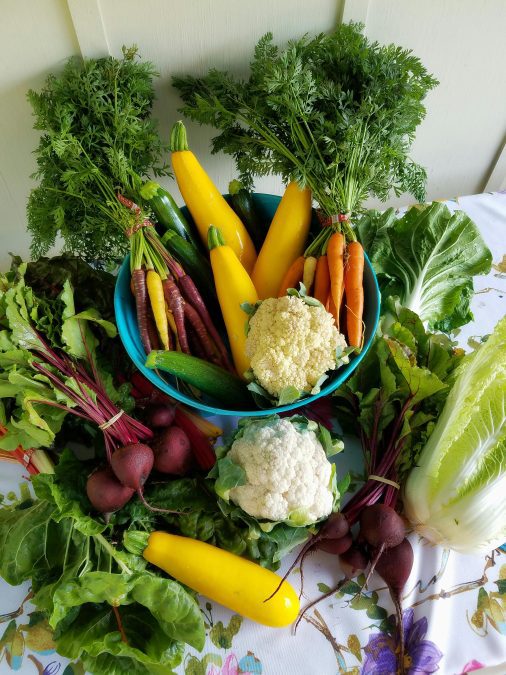
Lightly steaming or stir-frying them keeps their nutrients intact. A plate filled with colourful vegetables is one of the best gifts you can give your recovering body.
6. Energy-giving carbs
Healing takes energy, so you still need carbohydrates, but the right kind. Balanced nutrition during healing must meet energy needs to prevent the body from using protein and other nutrients for fuel instead of repair.
Choose carbohydrates that release energy slowly to keep you full and balanced. Brown rice, whole meal ugali, sweet potatoes, arrowroots, nduma and oats are excellent options.
These foods keep your energy steady throughout the day and prevent the tiredness that comes with sugary or highly processed foods. They also give your body the fuel it needs to repair tissues and function normally.