Advertisement
World Blood Donor Day 2026: Significance of one drop of humanity, thousands of lives saved
14th June, 2026 07:52 AM
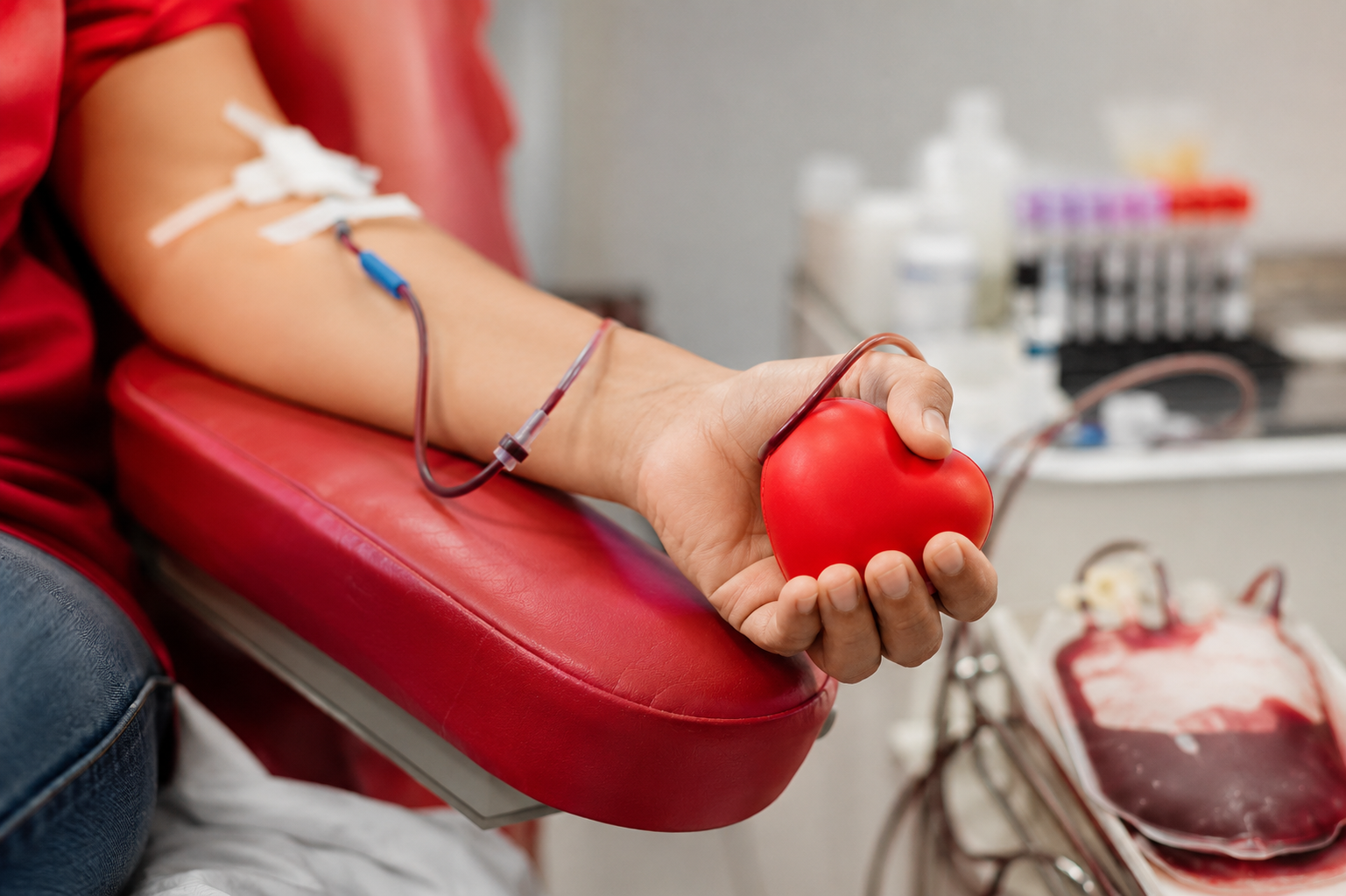
In hospitals across the world, there are moments when medicine alone is not enough. A road accident victim arrives bleeding heavily. A mother in labour begins to lose blood unexpectedly. A child fighting severe anaemia weakens by the hour. In all these situations, there is one thing that determines survival before any treatment begins: available blood.
World Blood Donor Day 2026 is a reminder that something as small as one donation can quietly carry the weight of life for someone else. It is a global call to recognise the invisible chain of kindness that connects strangers who may never meet, yet are bound together through one life-saving act.
Demand that never sleeps
Blood is one of the few essential medical resources that cannot be manufactured or substituted. It must come from human donors. Yet in many countries, including Kenya, demand often exceeds supply.
Emergency rooms deal with a constant need due to accidents, surgeries, childbirth complications, cancer treatments and chronic illnesses. At the same time, donations are not always consistent. Hospitals frequently report shortages, especially during holidays or periods of reduced donor turnout.
This gap between need and supply turns World Blood Donor Day into more than just a symbolic observance. It becomes a reminder that without voluntary donors, many medical procedures would simply not be possible.
The power hidden in one donation
One of the most misunderstood facts about blood donation is how far a single donation can go. A single pint of blood can be separated into components such as red blood cells, plasma and platelets. Each of these can be used for different patients with different medical needs.
This means one donation can potentially save up to three lives. In practical terms, one person sitting quietly in a donation chair could be indirectly responsible for multiple families avoiding loss and grief.
It is one of the rare moments in life where something so simple carries such a wide impact.
Safety, trust and shared humanity
The World Health Organisation continues to stress that safe blood depends on voluntary, unpaid donors. This is important because safety is not only about testing blood but also about building trust in the system.
WHO highlights three key principles: voluntary donation, strict screening, and safe transfusion practices. Together, these ensure that every drop given is safe for the recipient and responsibly collected.
More importantly, WHO says blood donation is a shared human responsibility. It is not about charity alone. It is about building a health system where people protect each other through action, not just sympathy.
“Safe blood saves lives. It comes from healthy, voluntary, unpaid donors and is protected by rigorous testing, strict safety standards and safe transfusion practices. In fact, every donation forms a shared lifeline of solidarity, compassion and care,” WHO said in a post on X.