Surprising conflict and chaos in Taylor Swift’s songs about commitment
By The Guardian, June 30, 2026When she was 19 and already had her second album under her belt, Taylor Swift made a point of telling a would-be beau he was all wrong for her: “I’m not your princess, this ain’t our fairytale … It’s too late for you and your white horse to catch me now,” she sang in her 2008 song White Horse.
Then as now, Swift liked a happy ending: she had no qualms rewriting Romeo and Juliet to end with marriage in Love Story, or imagining stealing a boy from his no-good girlfriend in You Belong With Me, both from the same album as White Horse. She just didn’t want a guy to come and rescue her from the messiness of life, like a prince in an early Disney movie whose appearance signals marriage, a happily-ever-after and, effectively, the end of a young girl’s life.
Easy one to reject
This story has always been an easy one to reject; even Disney was poking fun at it as early as Sleeping Beauty. And like many women of her generation, Swift has had a complicated relationship with all that marriage implies, at least in how she’s written about it. When she met Travis Kelce, the man she is now set to marry, she was fresh from her 2022 album Midnights, in which she made it repeatedly clear she can and will ditch any man, even a perfectly nice one, who stands between her and her ambition.
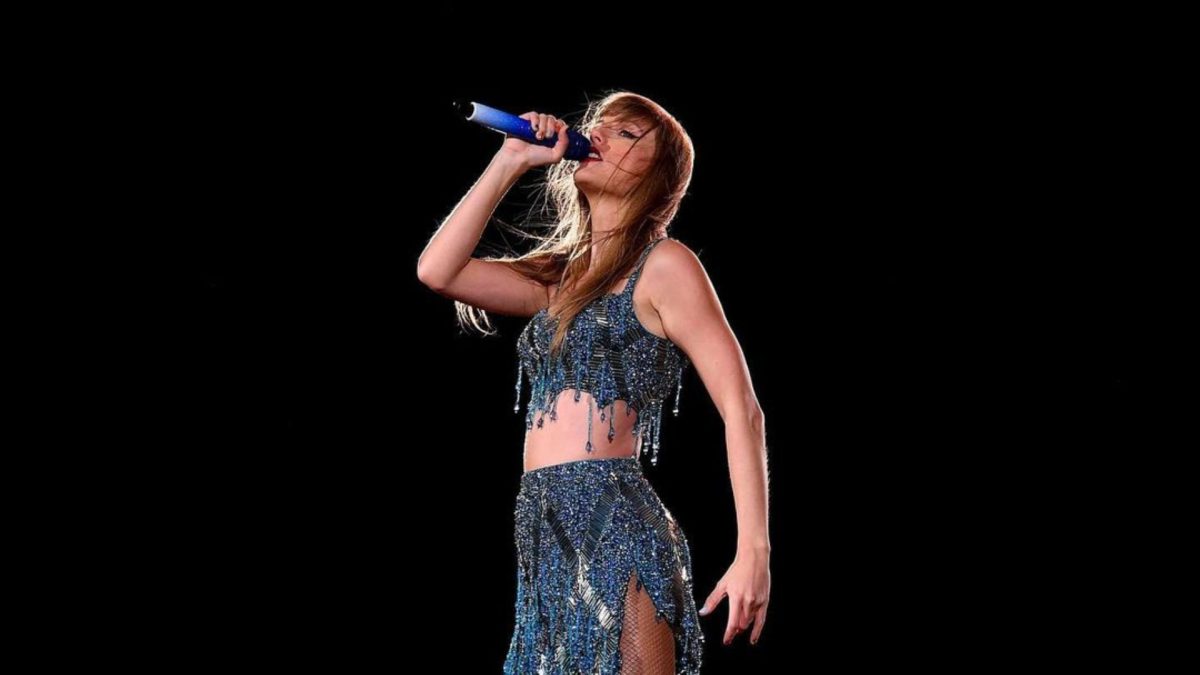
“He wanted a bride / I was making my own name,” she sang on Midnight Rain. In Bejewelled, the tone toward a neglectful “baby boy” is even sassier: “I miss you … but I miss sparkling.” No man is going to end the Taylor Swift story, because there are only two forces that can end the unfolding of that story. One is God; the other is Taylor Swift.
Swift’s narrators and heroines, faced with story-ending domesticity, inevitably run, even if they don’t really know why.
“Sometimes you just don’t know the answer ’til someone’s on his knees and asks you,” broods the narrator of her 2020 track Champagne Problems. She imagines her jilted lover’s family and friends telling him “what a shame she’s fucked in the head”, and it doesn’t seem as if she really disagrees with that assessment.
She just knows that she couldn’t say yes.
Bond of marriage
At the same time, the permanent bond of marriage is something that runs through her songs as a real goal: from early tracks such as Mary’s Song (2006), to the lover you can trust “like a brother” in Call It What You Want (2017), to the multiple proposals of and allusions to marriage on her 2019 album Lover. These would represent a kind of domesticity in which no story ends; you have simply entered a new chapter.
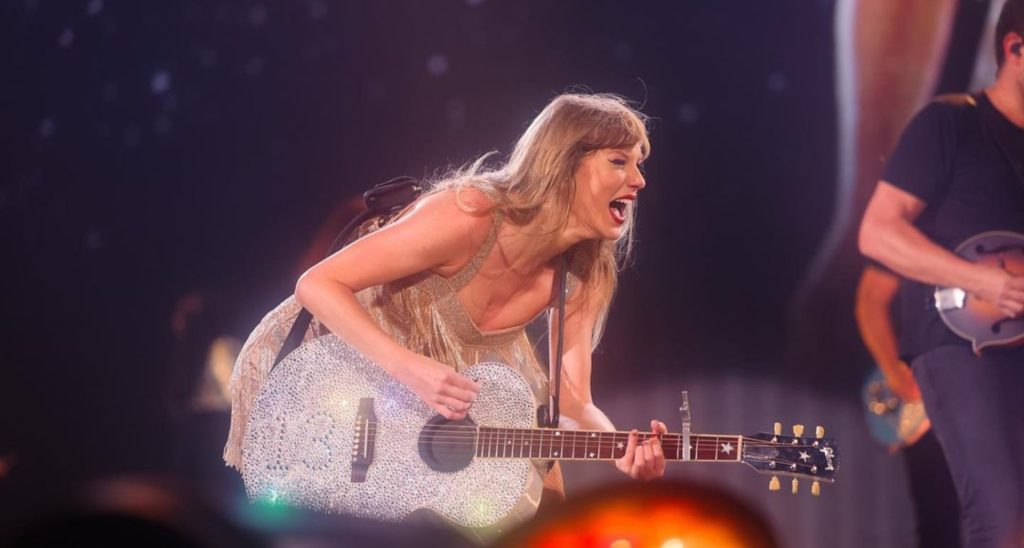
There’s a certain kind of fan that’s convinced marriage is the end of Swift’s story; that her next album, being her lucky number 13, will be her last. I doubt it. What’s more likely is that for some of those fans, marriage is the end of their interest: that once Taylor Swift is definitely married to a definite man, she’ll cease to reflect their own life to them. But, for Swift, marriage has always been about the beginning of another story. She’s not going to give up on telling her new love story after one failed try. She can, and she hopefully will write an album rendering happiness in all its complexity. Sometimes a prince really does show up on a white horse. But there’s no telling where that horse will travel. Giddy up and go.