Advertisement
Best-performing artistes at the World Cup from 2010 to 2026
15th June, 2026 01:07 PM
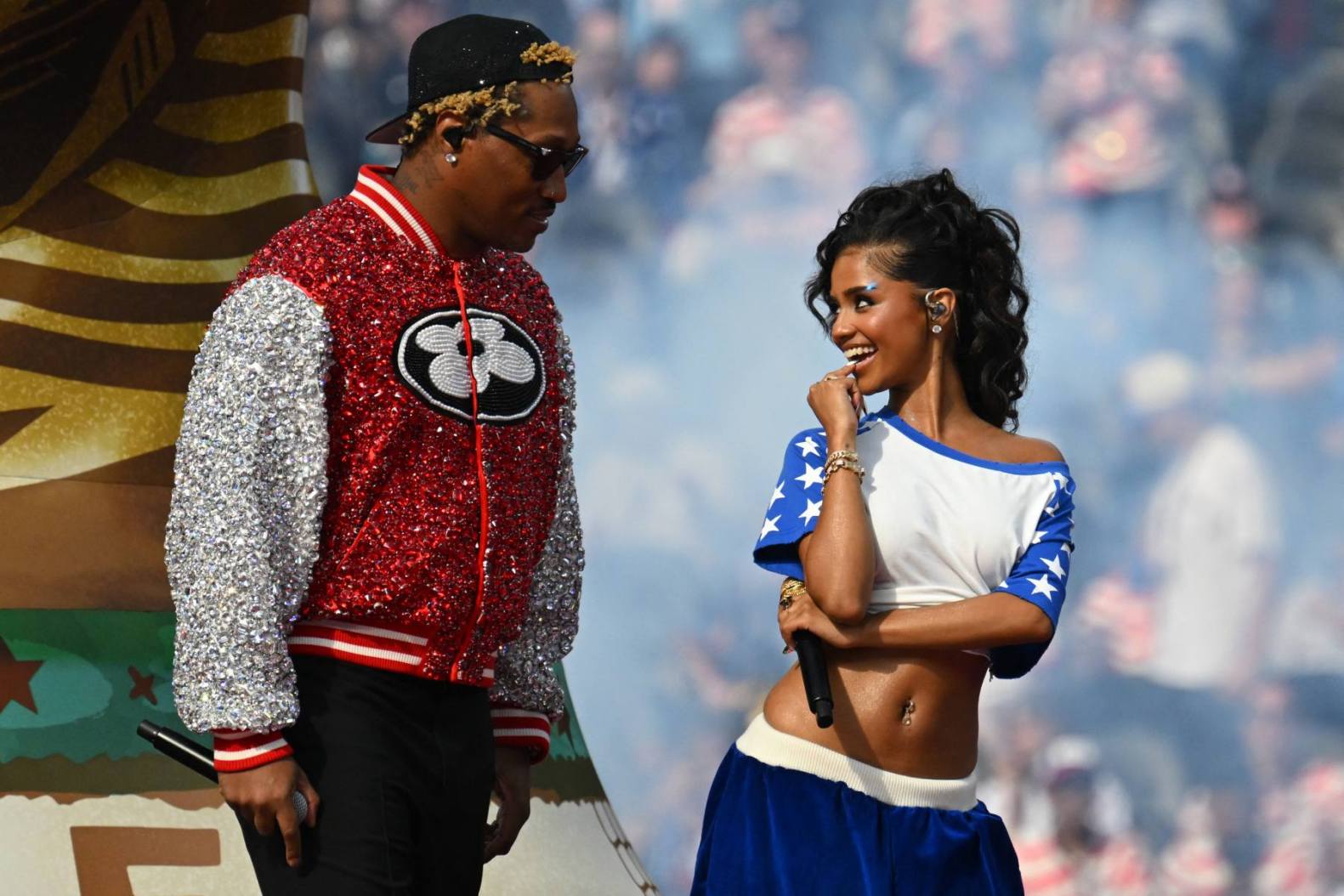
The FIFA World Cup has grown beyond football into a global entertainment showcase where music meets sport on the world’s biggest stage. From Africa to Europe and Asia to the Americas, opening ceremonies have featured some of the most recognisable voices in modern music.
Since 2010, each tournament has carried its own musical identity shaped by international and local performers who set the tone before the first whistle.
2010 – Johannesburg, South Africa
The 2010 World Cup opening ceremony in Johannesburg was one of the most culturally rich editions in history. The event brought together a large ensemble of African musicians alongside international acts. The stage featured global performers such as American R&B star R. Kelly alongside African legends, including Hugh Masekela, Femi Kuti, Angelique Kidjo, and the Soweto Gospel Choir.
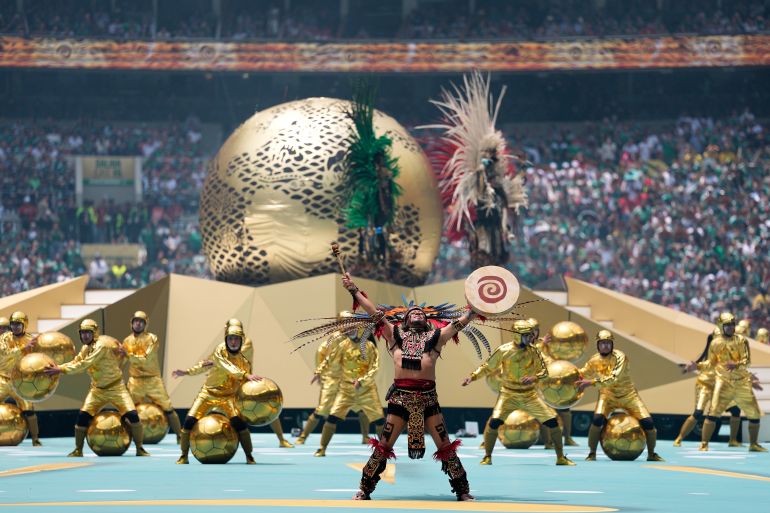
The performance reflected Africa’s cultural diversity, with music blending traditional rhythms and modern pop influences. One of the standout global moments came from the pre-tournament concert where international artists collaborated with local performers, symbolising unity and the first World Cup ever hosted on African soil.
2014 – São Paulo, Brazil
In 2014, Brazil turned the World Cup opening ceremony into a vibrant carnival of sound and movement. The ceremony featured Brazilian singer Claudia Leitte, who performed alongside global pop figures. The atmosphere was heavily influenced by samba rhythms, capoeira-inspired dance, and colourful choreography that represented Brazil’s cultural identity.
The “living ball” stage design became one of the most memorable visuals of the tournament. While the focus remained on Brazilian performers, the event also highlighted international collaborations that blended football excitement with pop entertainment.
2018 – Moscow, Russia
The 2018 World Cup opening ceremony in Moscow brought a different tone, combining classical music with mainstream pop. British artist Robbie Williams delivered a high-energy performance of his hit songs, while Russian soprano Aida Garifullina added a classical dimension to the show.
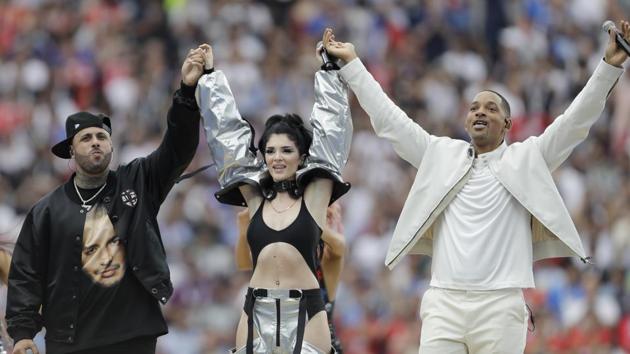
Their duet symbolised the merging of traditional Russian culture with global pop culture. The ceremony also included dancers representing all participating nations, turning the pitch into a visual celebration of global unity before the opening match.
2022 – Al Khor, Qatar
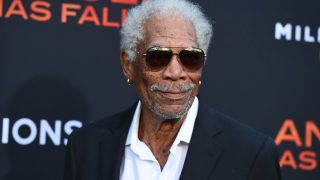
The 2022 World Cup opening ceremony in Qatar shifted focus towards storytelling and global pop influence. The performance included appearances by Hollywood actor Morgan Freeman and a major musical performance by South Korean star Jungkook from BTS.
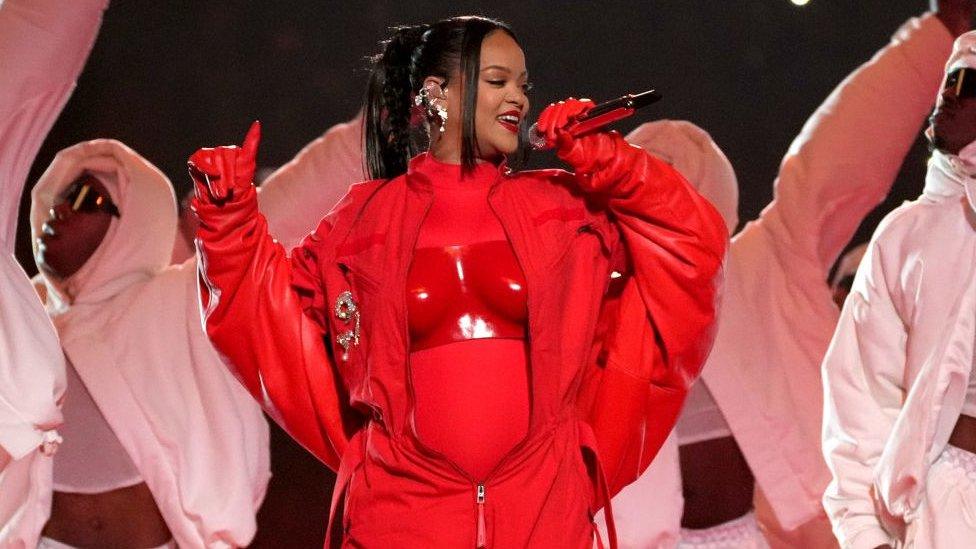
The event mixed spoken word, cultural symbolism, and modern music to reflect unity and diversity. It became one of the most talked-about ceremonies due to its blend of cinematic presentation and K-pop global influence.
2026 – US, Mexico & Canada
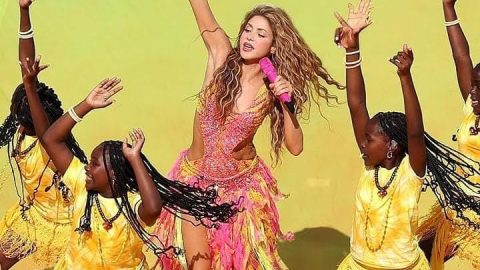
The 2026 World Cup has taken entertainment to another level with a multi-city opening ceremony across Mexico, Canada, and the United States. The line-up includes global stars such as Shakira, Burna Boy, Katy Perry, LISA, Tyla, Future, Alanis Morissette, and J Balvin.
Each host nation brings its own flavour, from Latin American rhythms in Mexico City to North American pop and hip-hop energy in Los Angeles and Toronto. Early performances have already set a high standard, with collaborations blending genres and cultures into one global stage experience.
Conclusion
From the cultural depth of 2010 to the global pop dominance of 2026, World Cup ceremonies have evolved into major entertainment platforms. Each edition reflects its host nation while showcasing international stars who define the sound of their generation. As football continues to unite the world, music remains its most powerful pre-match celebration.