Advertisement
Leviticus review: When forbidden love becomes a supernatural curse
21st June, 2026 07:09 PM

Leviticus is a horror film that turns forbidden desire into something deeply unsettling, where love itself becomes the source of fear and survival.
Released on Thursday, June 19, 2026, the Neon-distributed film is set in a conservative rural Australian town where faith and repression shape everyday life.
At its centre are two teenage boys, Naim and Ryan, whose secret relationship triggers a chain of terrifying events.
Sin turned curse
After a hidden romantic encounter, Naim and Ryan are subjected to a church-sanctioned religious ritual intended to cure their sexuality. What begins as a ritual of control quickly collapses into horror.
Instead of healing them, the ritual awakens a violent supernatural entity. The creature does not simply chase its victims; it shapeshifts into the person they desire most, turning affection into danger and intimacy into paranoia.
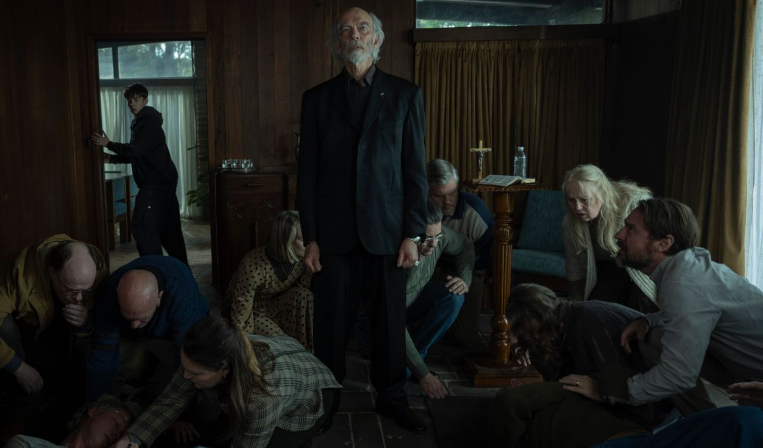
Every emotional connection becomes a threat. Every memory becomes a trap. What once felt safe between them is now what endangers their lives.
Performances that ground the horror
Naim is portrayed with quiet emotional depth, capturing fear, confusion, and internal conflict as his world collapses. Ryan brings warmth and vulnerability, balancing tenderness with instability as the pressure around them intensifies.
Their chemistry carries the emotional weight of the film. It feels natural and lived-in, which makes the horror more painful when their bond is weaponised against them.
Ryan’s mother stands out as a chilling presence, embodying a controlled, suffocating form of religious conviction that never needs to raise its voice to feel dangerous.
Horror with meaning
The film builds its tension slowly, relying on atmosphere rather than spectacle. Bleak rural landscapes, dim interiors, and tight framing create a constant sense of confinement.

Sound design intensifies the experience, turning silence, breath, and movement into signals of threat. The horror remains restrained, creeping rather than exploding.
While the pacing is deliberately slow and a few narrative threads feel underdeveloped, the emotional core remains strong throughout.
With a 93% rating on Rotten Tomatoes, the film has been praised for its emotional depth and inventive approach to queer horror storytelling.
Author
William Muthama
William Muthama is a digital journalist with a focus on entertainment, human interest, and current affairs. Share stories: [email protected]/ [email protected]
View all posts by William Muthama