Michelle Obama reveals why she used IVF to conceive daughters
By Valerian Khakayi, May 15, 2026Michelle Obama has opened up about her deeply personal journey to motherhood, revealing the emotional challenges she faced with conception, miscarriage, and ultimately using in vitro fertilization (IVF) to have her two daughters.
Speaking candidly about the experience during a live recording of IMO with Serena Williams on Thursday, May 14, 2026, the former first lady shared that she and her husband Barack Obama married in their late 20s and initially took time before trying to start a family.
She revealed that her first pregnancy ended in miscarriage, an experience she described as devastating, before the couple turned to IVF after continued difficulty conceiving.
“Barrack and I got married in our late 20s, took our time hanging tough, and then we started working on conceiving,” Michelle opened up.
“I got pregnant once and miscarried, which was devastating, and then we tried and tried and tried, and we had to do IVF for both our girls.”
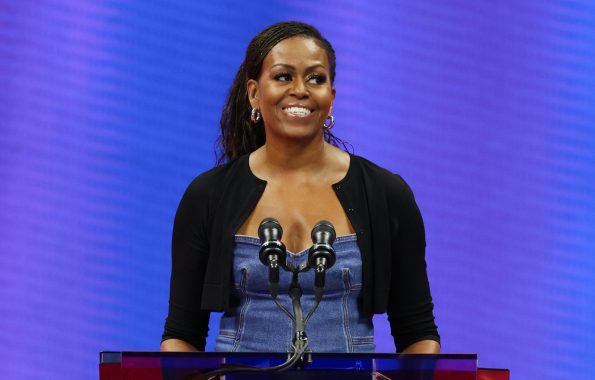
Fertility challenges
Michelle also spoke about the emotional weight many women carry when facing fertility challenges and the pressure placed on them by society.
“There is so much pressure on women; if you do not get that part right, there is still a feeling that something is missing. I do not know about all of you, but I know that when I struggled to conceive, I took that on like a personal failure,” Michelle stated.
Reflecting on the experience, she emphasised the importance of understanding fertility early and acknowledging biological realities that are often not openly discussed.
“What I was never told was that the biological clock was real, and I try to tell a lot of young women that their clock is real,” she noted.
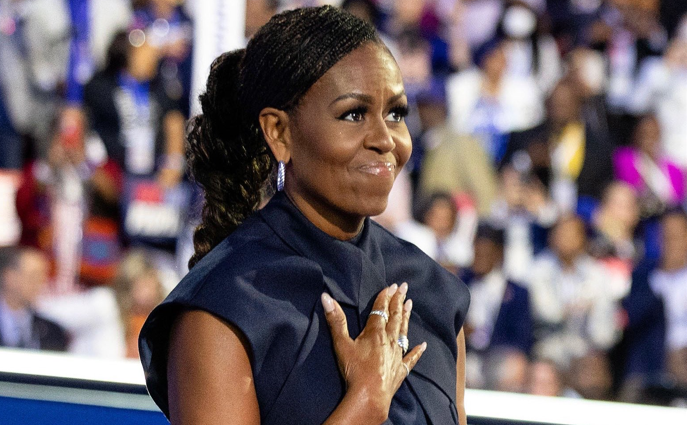
Michelle on struggle to conceive
This is not the first time the former first lady has opened up about motherhood. In November 2018, she told ABC’s Good Morning America she felt “lost and alone” after her miscarriage 20 years ago.
She further disclosed that she felt lost after her miscarriage.
“I felt like I failed because I didn’t know how common miscarriages were because we don’t talk about them,” Michelle opened up.
“We sit in our own pain, thinking that somehow we’re broken; it’s important to talk to young mothers about the fact that miscarriages happen.”
She said that when she was around 34 years old, she realized that “the biological clock is real” and that “egg production is limited,” which made her decide to seek in vitro fertilization.
“I think it’s the worst thing that we do to each other as women, not share the truth about our bodies and how they work,” she added.