Dennis Itumbi blames cartels for low pay of musicians
By David Nthua, March 3, 2026Dennis Itumbi has blamed cartels for the slow pace of reforming Kenya’s music and entertainment industry.
Speaking exclusively to a local TV station on Tuesday, March 3, 2026, the Head of Presidential Special Projects and the Creative Economy said that criminal networks had infiltrated the collection of music royalties, hurting artists for years.
“I am sorry to say this. We have had criminal enterprises involved in the collection of music royalties in Kenya. It was intentional and sometimes deliberately powered by some men and women,” Itumbi said.
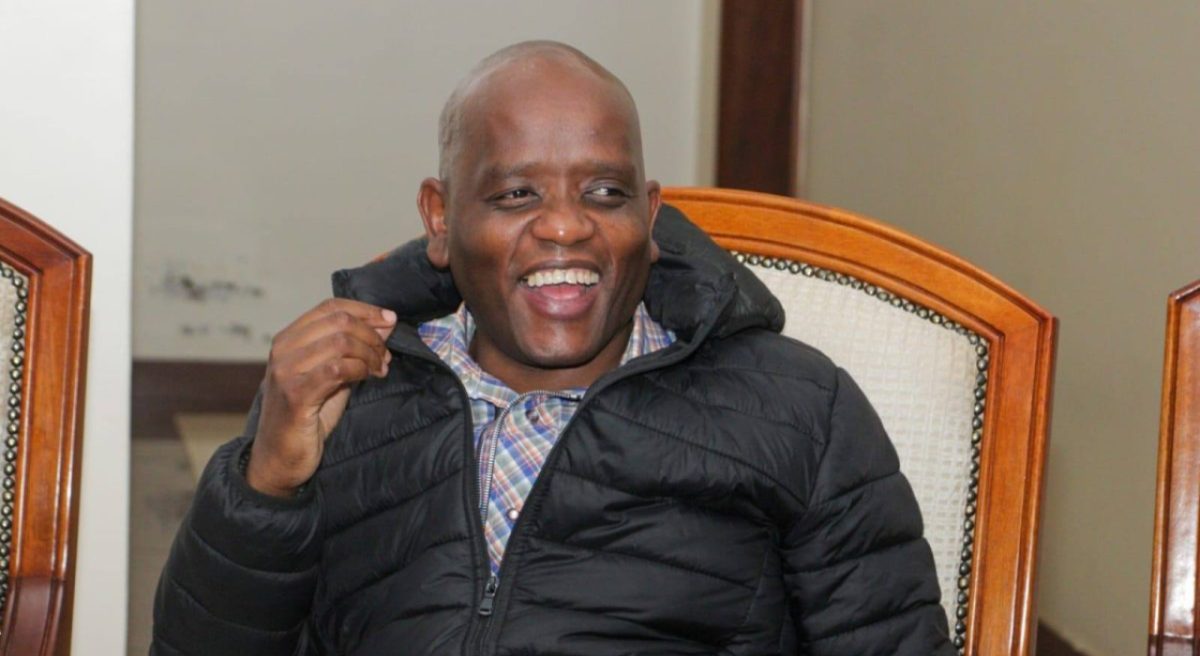
According to him, the system meant to benefit musicians became, in his words, a structure of theft. He claimed the procurement of the system used to collect royalties was irregular and lacked transparency.
“That system became a system of theft, and it was irregularly procured. For instance, it was hard to tell the exact number of music artists we had in Kenya,” he stated.
Itumbi said reforms are underway to clean up the sector and ensure artists receive fair compensation for their work. One of the key changes, he noted, is the introduction of royalty payments through the government’s digital platform, e-Citizen.
“We are correcting that by introducing payment of royalties through e-Citizen,” he said, expressing confidence that the new system would improve accountability and restore trust among musicians.
The move comes amid long-standing complaints from artists who have often protested over delayed payments and what they describe as meagre earnings from their music.
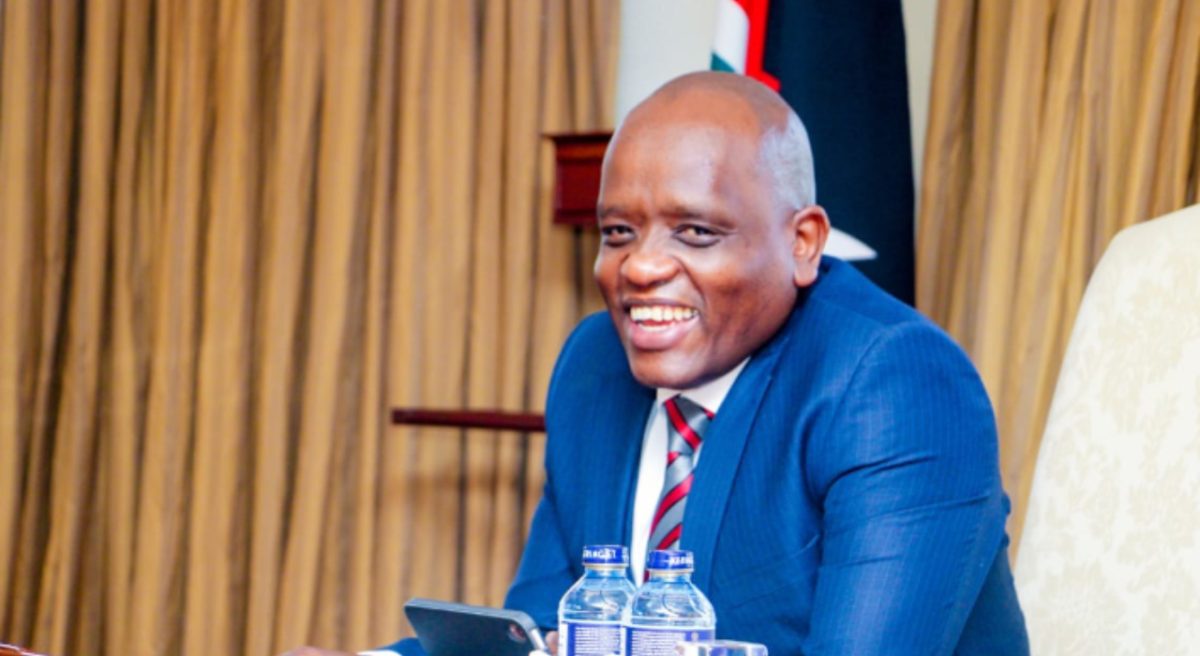
MCSK responds to revenue challenges
However, the Music Copyright Society of Kenya has offered a different perspective.
Acting MCSK CEO Richard Sereti said operational challenges have limited the amount distributed to artists.
“We can’t distribute 70 per cent of the revenue because we don’t get government support to collect royalties, hence spending more on operations,” Sereti said.
He explained that without adequate enforcement support, the organisation incurs high costs in royalty collection, affecting the final amount available for distribution.
The debate highlights ongoing tensions in Kenya’s creative industry as stakeholders seek sustainable reforms that will guarantee musicians better pay while ensuring transparency and efficiency in royalty management.