Mama Jimmy appeals to Kenyans to help Baba Jimmy secure Kenyan citizenship
By Steve Ireri, August 31, 2026US-based Kenyan content creator Mama Jimmy has appealed to Kenyans to help her husband, Baba Jimmy, secure Kenyan citizenship, insisting that his long-standing connection with the country makes him deserving of the status.
Speaking on TikTok on Sunday, August 30, 2026, the content creator called on Kenyans to help push the relevant authorities to address Baba Jimmy’s citizenship matters, reminding her followers that her white husband had lived in Kenya for a long period before the couple eventually moved to the United States.
Mama Jimmy said she wanted Kenyans to make efforts to ensure that Baba Jimmy obtains Kenyan citizenship, maintaining that he has become deeply connected to the country after spending a significant part of his life there.
“And now I want you all to tell the person who is involved with citizenship matters to make efforts for Baba Jimmy to get Kenyan citizenship. Baba Jimmy is a Kenyan. Even you all know. He is a full Kenyan,” she said.
She urged her followers to identify and approach the person responsible for citizenship matters and ask them to help resolve the issue.
Mama Jimmy further argued that Baba Jimmy should be regarded as Kenyan because of the strong ties he has developed with the country over the years.
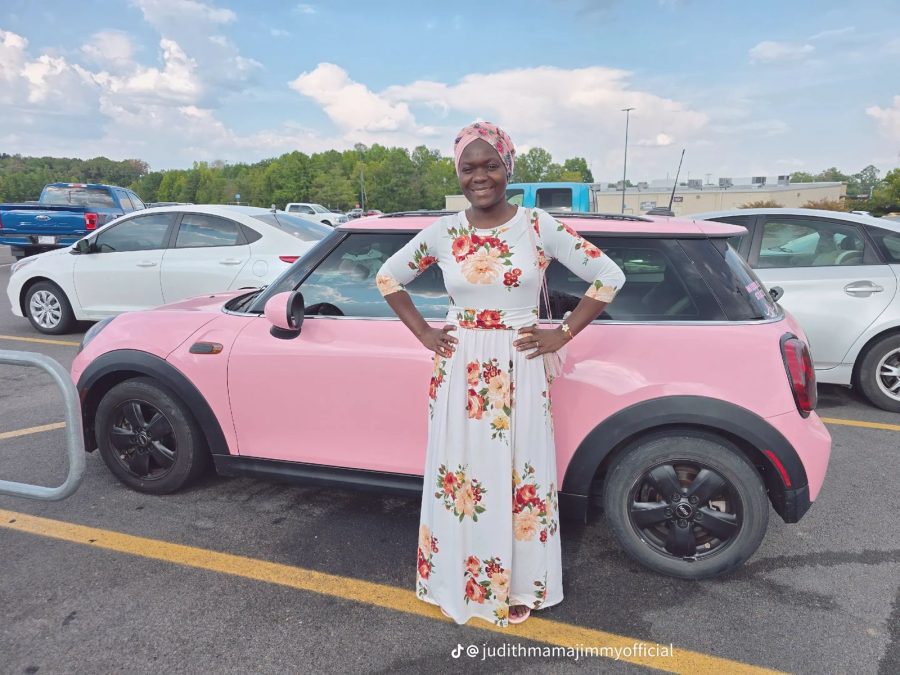
She also appealed to Kenyans to demonstrate the unity they often talk about by supporting the citizenship push, suggesting that such collective efforts could help her husband complete the process.
“So, please, if you find that person, tell him to sort those matters. I usually see you saying, ‘Kenyans is one team,’ so do it,” she added.
The content creator’s appeal comes after years in which she and Baba Jimmy have shared their experiences of life in Kenya and later in the United States, with their relationship and cross-cultural family life becoming part of the content they share with their online following.
Mama Jimmy also addressed comments from some followers who had suggested that the couple had become accustomed to American food after moving to the United States.
She dismissed the notion that their eating habits had fundamentally changed because of their relocation, recalling that they had also enjoyed similar foods during the period they lived together in Kenya.
She specifically singled out chapati as one of the foods they enjoyed extensively while living in Kenya, using the example to illustrate that their food preferences were not simply a result of their life in the United States.
“And I see someone here commenting and saying we have since gotten used to US foods; you see you all see us eating. But even when we were living together in Kenya, the food we could eat so much is chapati,” she said