Cannes 2026 – African films lighting up the film festival
By Dan Kauna, May 11, 2026Every May, the French Riviera becomes cinema’s most glamorous address.
The 79th Cannes Film Festival runs from 12 to 23 May 2026, drawing thousands of filmmakers, critics, and cinephiles to the sun-drenched boulevards of southern France.
But this year, there is something quietly remarkable happening on the continent’s behalf. African cinema is showing up, and showing up well.
Four films with African roots have made it into the official programme this edition, spanning genocide survival in Rwanda, refugee life in Central Africa, migrant labour exploitation in Spain, and a bold reimagining of a classic novel set in Lagos. Here is who is carrying the continent’s flag.
History being made on the Croisette
Ben’imana, directed by Rwandan filmmaker Marie-Clémentine Dusabejambo, makes history as the first film by a Rwandan director to be included in the Cannes official selection.
Selected for Un Certain Regard (the prestigious sidebar that runs alongside the main Palme d’Or competition) the film is set in Rwanda in 2012 and follows Vénéranda, a survivor of the 1994 genocide against the Tutsi, who is deeply involved in community-led processes of justice and reconciliation.
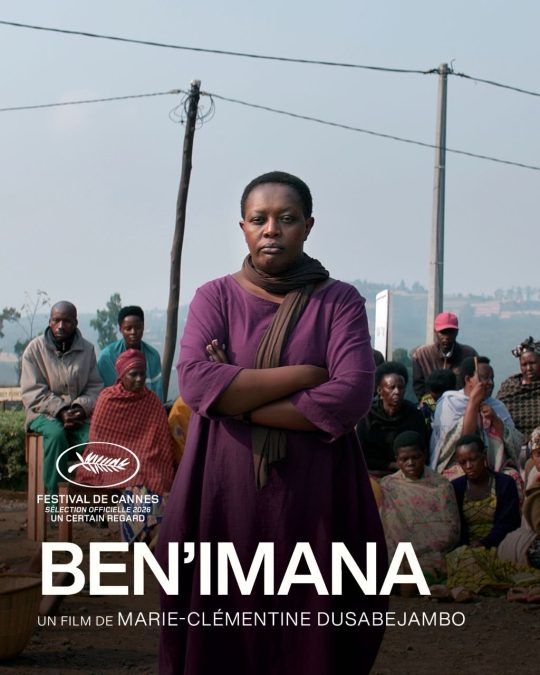
When mounting pressure and a personal crisis within her own family collide, she is forced to confront the limits of her own convictions. A decade in the making and shot almost entirely with non-professional actors, Ben’imana is co-produced across Rwanda, Gabon, Côte d’Ivoire, France, and Norway.
Joining it in Un Certain Regard is Congo Boy, directed by Rafiki Fariala of the Central African Republic. The film follows Robert, a 17-year-old Congolese refugee in Bangui who cares for his four younger siblings while trying to become a musician, even as his parents remain imprisoned.
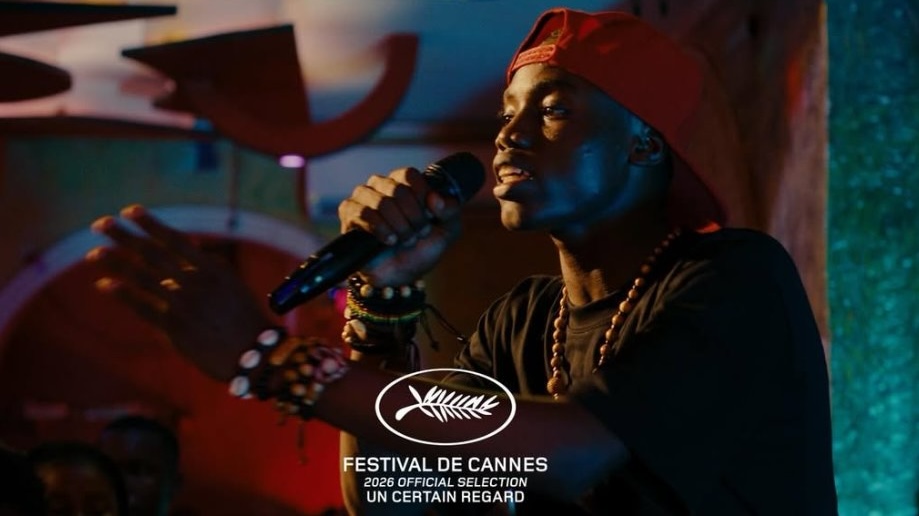
It is a co-production involving two Central African nations – produced by Makongo Films (Central African Republic) and Kiripifilms (DRC), in collaboration with Unité (France).
Fariala’s debut documentary, We, Students! (2022), made history as the first film from the Central African Republic to premiere at the Berlin International Film Festival.
The third African title in Un Certain Regard is Strawberries (originally titled La más dulce, Spanish for “the sweetest”), directed by French-Moroccan filmmaker Laïla Marrakchi.
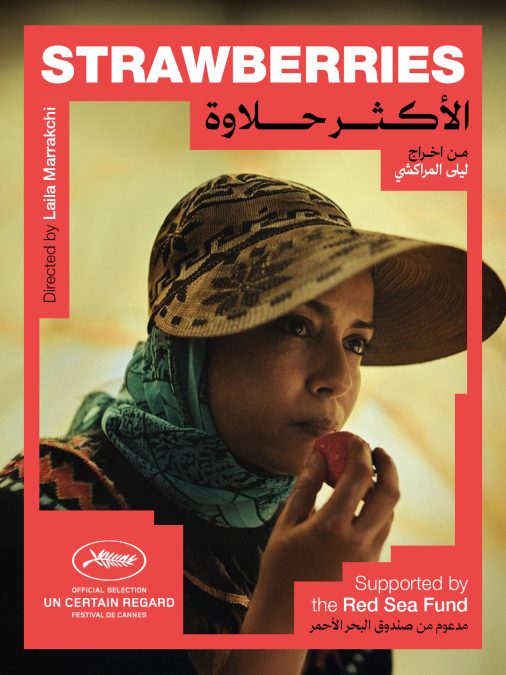
The film tells the story of Hasna, a young Moroccan woman who travels to Andalusia, Spain, for seasonal strawberry-picking work and finds not opportunity but abuse, harassment, and a fight for justice.
Marrakchi returns to Cannes more than two decades after her 2005 debut Marrock, which also screened in Un Certain Regard.
From Lagos, with 35mm ambition
Outside the Un Certain Regard section, one of the most buzzed-about African entries is Clarissa, directed by Nigerian brothers Arie and Chuko Esiri, selected for the Quinzaine des cinéastes (Directors’ Fortnight – the festival’s parallel section dedicated to independent cinema).
The film is a bold reimagining of Virginia Woolf’s 1925 modernist novel Mrs Dalloway, transposed wholesale from Edwardian London to contemporary Lagos, and shot on 35mm.
Sophie Okonedo stars as a society hostess preparing for an evening gathering, alongside David Oyelowo, Ayo Edebiri, Toheeb Jimoh, India Amarteifio, and Nikki Amuka-Bird. That cast alone is enough to make any film lover stop mid-scroll.
The Esiri brothers are not newcomers. Their debut feature Eyimofe (This Is My Desire) premiered at the Berlin International Film Festival in 2020 and went on to win five African Movie Academy Awards, establishing them as essential voices in African cinema.
Taken together, the four African films at Cannes 2026 are not simply stories about hardship. They are stories about people who insist on their own lives. A genocide survivor rebuilding her sense of justice. A teenage refugee who still wants to make music.
Women farmworkers who refuse to be silenced. A Lagos woman whose single afternoon holds an entire world inside it. That, perhaps, is the most powerful thing about this year’s African cinema moment on the Croisette: that it is not borrowed. That it is fully its own.