Tea farmers threaten to halt supply to KTDA over small bonuses
By Emmanuel Rono, October 3, 2025The small-scale tea growers from the West Rift have threatened to cut their supplies to the Kenya Tea Development Agency (KTDA) from Tuesday, October 7, 2025, and opt for other companies.
Led by the interim chairman of the West-Rift tea forum, Kiprono Rop, the farmers said this is the right time for them to stop their supplies after the lower bonuses they received.
Speaking to K24 Digital at Bomet town, Rop proposed that they will hold meetings from across the tea growing areas of Kuresoi South, Bomet, Sotik, Kericho, Nandi, and Tranzoia to discuss their issues on how they will benefit from their tea production.
“Starting next week, Tuesday the 7th, we will shut down the supplies to the KTDA. We are mobilising our small-scale farmers in their factories to discuss this issue,” Rop declared.

Also watch: Agriculture CS Mutahi Kagwe calls for sustainable funding and an end to tea hawking.
Rop stated that they have been supplying the tea to the agency for a long time, but the bonus they received does not reflect their efforts.
He added that they will start supplying to the other companies in the intervening period, saying that they are in serious discussions to establish tea factories at the county level.
“Our main concern is to establish relevant tea factories in the concerned counties, and that is possible,” he said.
Rop stated that the counties can establish their factories, claiming that over the previous years they have been contributing to the establishment of these serving factories through contributions.
He emphasised that the companies belong to small-scale farmers, noting that nothing would deter them from running their own factories.
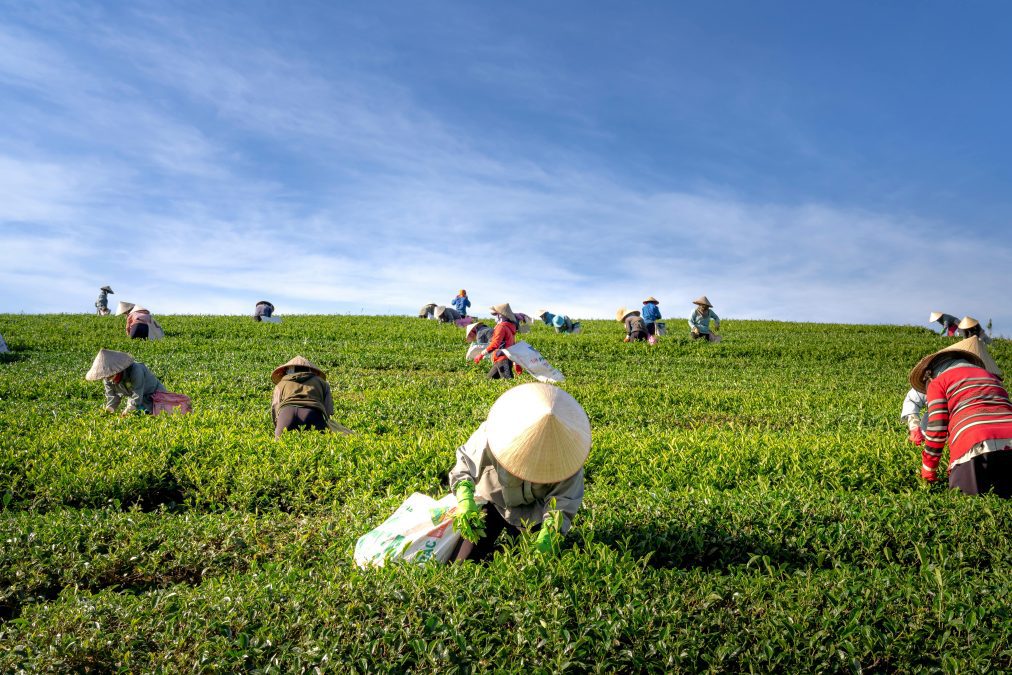
Elsewhere, KTDA Foundation partnered with Ahmad Tea to improve school sanitation in tea-growing communities.
Who is profiting?
Rop said that 96 per cent of their produce is destined for overseas markets, and that countries already have access to both young experts and experienced professionals who can help farmers secure markets locally and internationally.
“These factories are owned by the small-scale farmers themselves, and nothing will stop us from running them successfully,” he told K24 digital.
“With 96 percent of our produce going to international markets, we are confident because we have both young and experienced experts who will help us find markets both here at home and abroad.”
KTDA, in a statement on Tuesday, September 30, 2025, attributed the drop in earnings in this year’s second payment (popularly known as a bonus) for tea farmers to international market conditions and currency exchange movements.
“The drop in earnings is mainly attributed to international market conditions and currency exchange movements that were less favourable compared to last year. In 2024, the Kenyan shilling traded at an average of Ksh144 to the US dollar, while in 2025, the average was Ksh129. This weaker exchange rate meant that even where international prices were stable, the amount realized in Kenya Shillings was significantly lower,” the statement read.
In the West of Rift, Kericho fetched Ksh245, a drop of 101 shillings; Bomet earned Ksh209, a drop of 85; Nyamira earned Ksh266, a drop of 106; Kisii earned Ksh246, a drop of 95; and Nandi/Vihiga earned Kshs208, a drop of 66.