Senator Nyutu explains strategic weakness in Matiangi’s presidential aspiration
By William Muthama, October 1, 2025Murang’a Senator Joe Nyutu has cautioned that the former Interior Cabinet Secretary Fred Matiang’i faces significant hurdles in his 2027 presidential bid, warning that his reluctance to form a personal political party could undermine his chances.
Speaking during an interview on Wednesday, October 1, 2025, Nyutu argued that in Kenya’s political landscape, party formation is essential for consolidating regional support and building a dedicated voter base.
He said Matiangi’s decision to align with existing parties rather than establishing his own risks leaving him dependent on others’ influence.
“Fred Matiang’i’s reluctance to form his own party is a major strategic weakness. In a country where political parties are closely tied to regions and community support, failing to establish a party diminishes his control and visibility,” Nyutu explained.
Elsewhere, the former Interior Cabinet Secretary declared his intention to run for president in 2027, vowing to restore Kenya’s lost glory, and dismissed any possibility of working with President William Ruto.
Regional and ethnic influence
The senator also noted that major parties like Jubilee, under former President Uhuru Kenyatta, benefit from established regional networks, giving their candidates a competitive edge.
“Jubilee has its strongest backing in Mount Kenya, but Matiangi is trying to ride on that without forming his own foundation. That is risky,” Nyutu said.
Nyutu highlighted that Kenyan politics is largely ethnic and regional, meaning candidates need a clear, identifiable base to mobilise voters effectively.
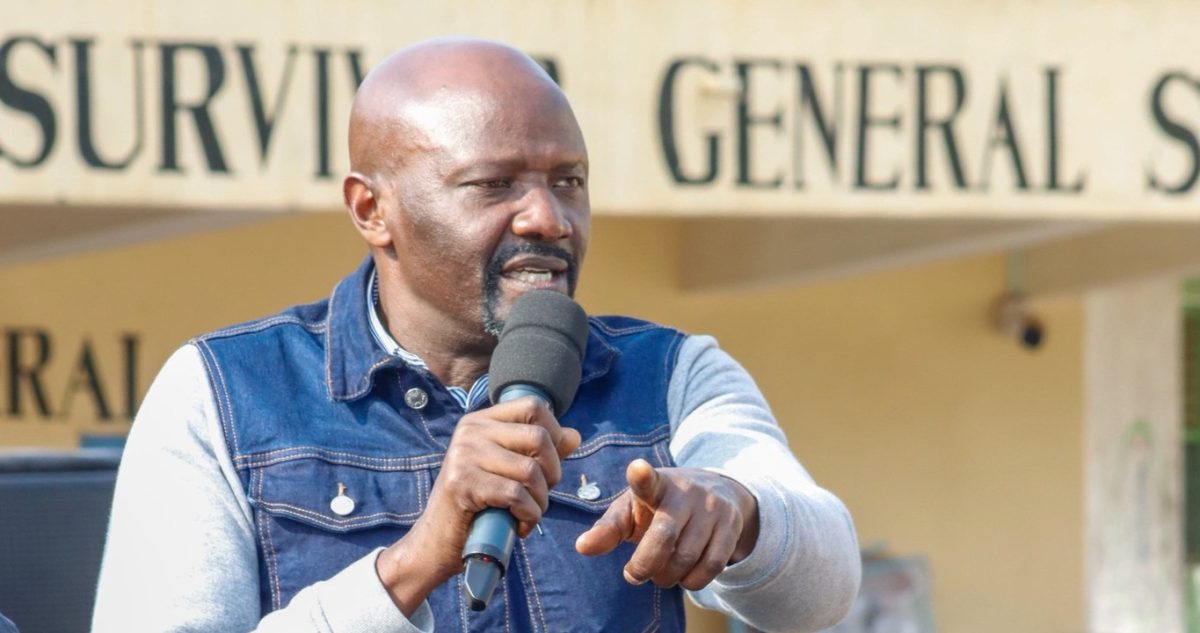
Also watch: Raila rubbishes Matiangi’s quest for Presidency.
By not forming his own platform, Matiangi risks relying on the goodwill of existing parties, which may not translate into nationwide support.
He also pointed out that smaller parties, though limited in size, have successfully cultivated dedicated voter bases because their leaders invested time and resources in building local structures.
“Without a distinct party, Matiangi will struggle to secure votes in regions where he lacks a direct political presence,” he added.
Nyutu urged political aspirants to act decisively now, emphasising that strategic planning and grassroots mobilisation could make the difference between winning and losing in next year’s polls.
“Timing is everything in politics. Delaying party formation or grassroots mobilisation could cost a candidate millions of votes,” Nyutu warned.
He urged Matiangi and other aspirants to prioritise building their political foundations immediately if they hope to remain competitive.