Sabina Chege: Interfering with essential services is act of terrorism
By Nancy Marende, July 22, 2025Nominated Member of Parliament (MP) Sabina Chege has stated that disrupting essential services can be classified as an act of terrorism under Kenya’s anti-terrorism laws.
Speaking at a local TV station on Tuesday, July 22, 2025, Chege has called for clarity on the interpretation and application of the law.
She also emphasised that the Prevention of Terrorism Act goes beyond the traditional understanding of terrorism as acts committed solely by external militant groups like Al-Shabaab.
“In this anti-terrorism act, they also look at financing and recruitment training. The issue of terrorism. We took it as an issue of an outsider and limited it to Al-Shabab, militias, and such groups. But as we have seen, this law, even interfering with essential services, is an act of terrorism,” she stated.
“So we need to ask ourselves that as we interpret this law, do we need further amendment or interpretation or clarity because it is clear,” she added.
Boniface Mwangi’s arrest
Speaking on activist Boniface Mwangi, who was charged with illegal possession of ammunition linked to protests as opposed to “facilitation of terrorist acts”, as the police had earlier said, Chege stated that activism is not terrorism.
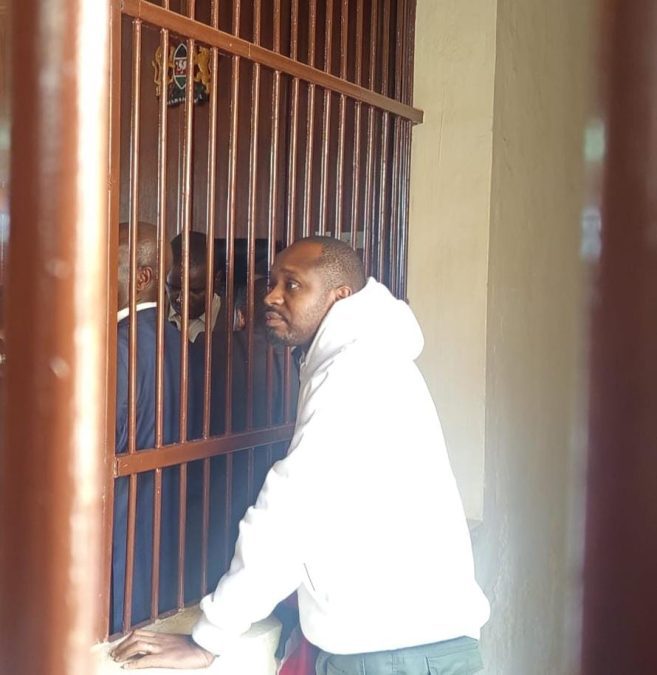
“So if these offices charge individuals under the Terrorism Act, the first question is did anybody interfere with essential services? Was there violence? Were people’s lives endangered?” She posed.
“It’s in the interpretation. Activism is not part of the Anti-Terrorism Act. But interfering with essential services, endangering lives, or inciting violence is,” she said.
Chege urged legal institutions and lawmakers to assess whether the current anti-terrorism framework needs further amendment or clarification to avoid misapplication or public confusion.
“I see the law like the Bible; it depends on how each person interprets it. Some people take specific parts of the Bible and twist them to suit their own needs, the same with the law.”
Mwangi’s arrest and especially the suggestion that he would face terrorism charges sparked a wave of condemnation, with human rights groups denouncing it as aimed at suppressing opposition voices.