Ruto rejects controversial bill seeking to revise retirement benefits
By William Muthama, July 22, 2025President William Ruto has rejected a controversial Bill aimed at reshaping Kenya’s pension system, citing legal conflicts and legislative vagueness that could threaten its enforcement.
In a bold move grounded in Article 115 of the Constitution, Ruto sent the Pensions (Amendment) Bill (National Assembly Bill No. 44 of 2022) back to Parliament with a memorandum outlining his reservations.
The president’s decision was officially conveyed to MPs on Tuesday, 22nd July 2025, by National Assembly Speaker Moses Wetang’ula.
Tight pension deadlines
The bill, sponsored by Kimilili MP Didmus Barasa and passed by the National Assembly in August 2022, sought to introduce strict deadlines for pension processing, an area long dogged by bureaucracy and delays
Clause 2 proposed to give the Cabinet Secretary for the National Treasury powers to create pension regulations, but Ruto said this contradicts Section 3(2) of the Pensions Act, which vests such authority solely in the President.
“Granting the Cabinet Secretary such powers creates a conflict in law that may lead to challenges in the implementation of the regulations,” Ruto noted in the memo.
Timelines remain vague
Clause 3 also came under sharp scrutiny for failing to define exactly when pensions become payable. Ruto argued that the clause lacks clarity on whether the due date refers to the retirement date or the date of pension application.
“Such ambiguity risks undermining the legal certainty required for the timely and orderly processing of pension claims,” read part of the President’s message.
He further noted that the Bill appeared to overlook ongoing reforms, including digitisation and administrative improvements that have shortened processing time.
Committee to review
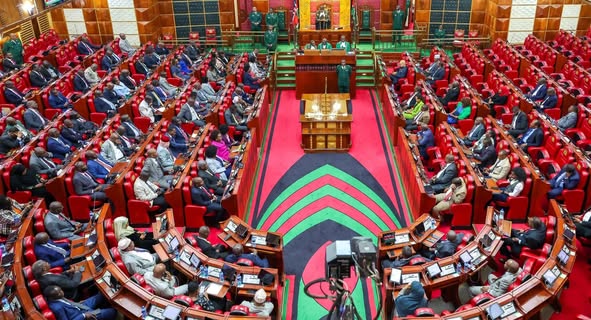
Speaker Wetang’ula committed the Bill and the President’s reservations to the Departmental Committee on Finance and National Planning, which now has 21 days to examine and report back.
The Committee will consult stakeholders before making recommendations. Parliament will then decide whether to amend the Bill as proposed by the President or override his objections with a two-thirds majority vote, as stipulated by law.
This development marks a significant pause in efforts to legislate pension timelines, with fresh parliamentary debate now expected in the coming weeks.