MP Caroli Omondi: Judiciary, NG-CDF to partner in building courts
By Faith Lagat, July 22, 2025Suba South Member of Parliament (MP) Caroli Omondi has announced a new partnership between the Judiciary and the National Government Constituency Development Fund (NG-CDF) to construct courts in underserved regions across the country.
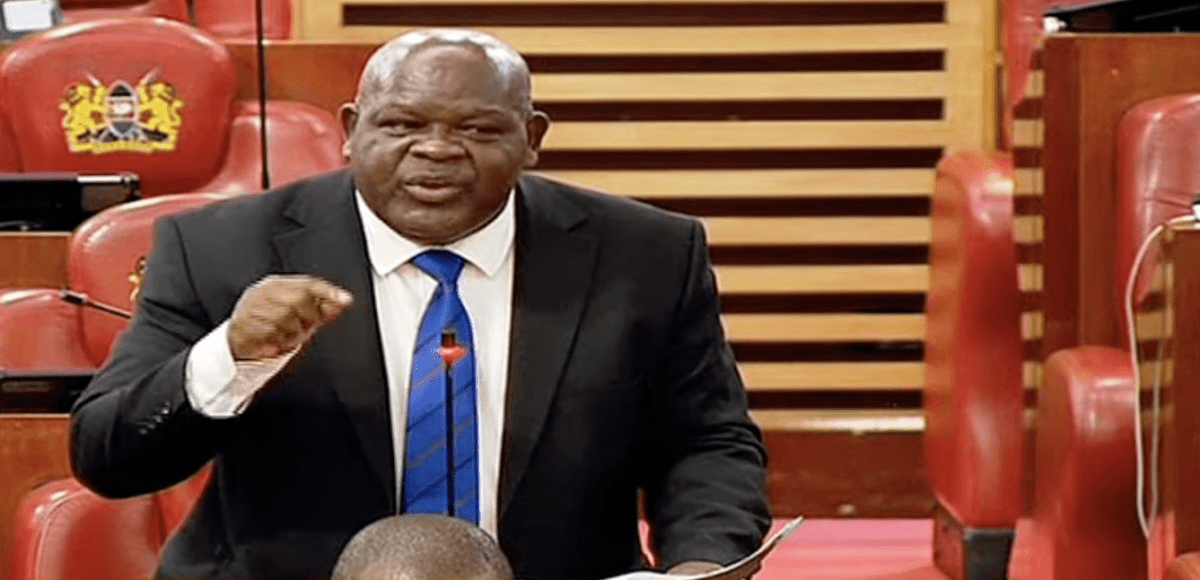
Speaking in the National Assembly on Tuesday, July 22, 2025, Omondi described the collaboration as a crucial step toward improving access to justice, particularly in remote areas where residents are forced to travel long distances to seek judicial services.
“I just wanted to inform the House that last week the Committee on Constitutional Implementation had a long meeting with the Judiciary, represented by a judge of the Court of Appeal, Justice Fatuma Sichale, as well as the Judicial Service Commission, represented by Commissioner Isaack Ruto, and even the Chief Registrar of the Judiciary,” Omondi told MPs.
“We agreed that from now on, we will be partnering with the Judiciary, not as Members of Parliament but as people in our constituencies to have courts built using CDF funds. I think that is a very significant development that this House should take judicial notice of.”
Case backlogs
The announcement comes at a time when the Kenyan judiciary is grappling with a backlog of over 257,000 cases, according to recent figures from the Judicial Service Commission. By tapping into CDF allocations, the initiative seeks to reduce these delays by ensuring more courts are built in local communities.
Omondi clarified that the process will involve public participation, allowing residents to have a say in how their constituency funds are allocated. He revealed that the Judiciary has already prepared a prototype court design through its Department of Building Services, which will be shared with CDF committees and the public.
“So that when we go for public participation in jurisdictions where we still don’t have courts, we can put a word to the CDF committees and to the public that if they agree, the Judiciary has already prepared a prototype court, which they shared with us and which we will share with the members,” Omondi said.
Cost-effective
The judiciary’s prototype is designed to streamline construction and cut costs, making the process more efficient and accessible for constituency committees.
Gitonga Murugara, chairperson of the Justice and Legal Affairs Committee, backed the initiative, noting that the judiciary can manage such infrastructure projects.
“We have given the courts the power to build courts and other judiciary buildings, although some may argue they are not supposed to do this. The Judiciary has a department known as the Department of Building Services, headed by an architect, so that we are able to have these courts, including the prototype that Hon. Caroli has referred to, constructed in an effective and pocket-friendly manner,” Murugara said.
The move signals a shift toward community-driven solutions in expanding Kenya’s justice system infrastructure.