Kibwana details how ethnic mobilisation is derailing Kenya’s quest for change
By Paulette Mboga, August 5, 2025Former Makueni Governor Kivutha Kibwana called on Kenyans to make hard choices to eliminate tribalism and ethnic political alignments.
Speaking on a local TV station on Tuesday, August 5, 2025, Kivutha Kibwana noted that tribalism is deeply rooted in the country’s history, with origins tracing back to the colonial era.
“Tribalism did not start recently. During the colonial era, the divide-and-rule tactic was used, and people from different groups were profiled, making it difficult to form political parties,” he said.
According to Prof. Kibwana, this legacy of division continues to affect Kenya’s ability to build inclusive and truly national political movements. He emphasised that unless leaders actively fight these divisions, the country will continue recycling ethnic-based politics at the expense of unity and development.
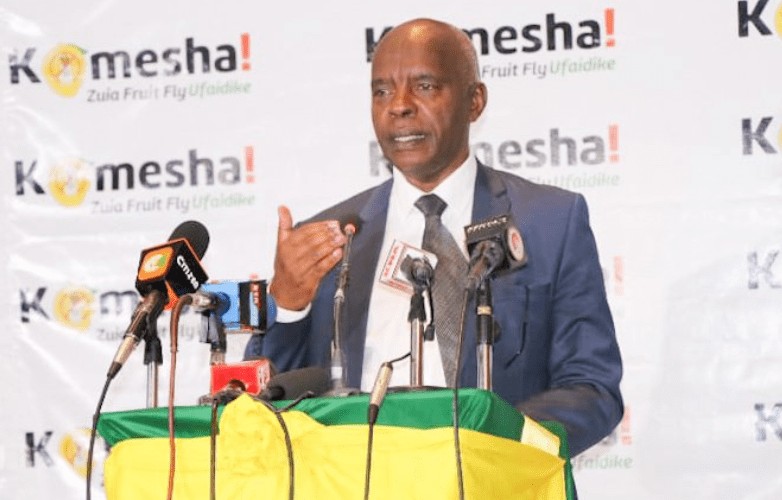
Seme MP James Nyikal also added on Kibwana’s concerns, pointing out that many political parties in Kenya are formed and sustained along tribal lines. He noted that even as new parties emerge, they often draw their support from narrow ethnic bases rather than national ideologies.
“Political parties often remain deeply tribal,” said Nyikal.
“Culture can be a beautiful and unifying force, but it is often affected by misuse for political gain.”
Nyikal warned that this pattern creates a cycle where leadership is determined not by policy, but by ethnicity and regional arithmetic—fueling division rather than healing it.

National identity
As political campaigns begin to take shape ahead of the 2027 elections, there is renewed urgency for leaders to promote unity and focus on issue-based politics. Prof. Kibwana challenged current and aspiring leaders to break away from tribal mobilisation and instead build inclusive platforms that serve all Kenyans, regardless of background.
Both Kibwana and Nyikal believe that unless Kenya takes deliberate steps to address ethnic politics, the vision of nationhood will remain just that, a vision.
Ultimately, the leaders agreed that unity cannot be left to politicians alone, and citizens must also reject tribal manipulation and demand more from their leaders.