92-year-old Paul Biya declared winner of Cameroon’s presidential election
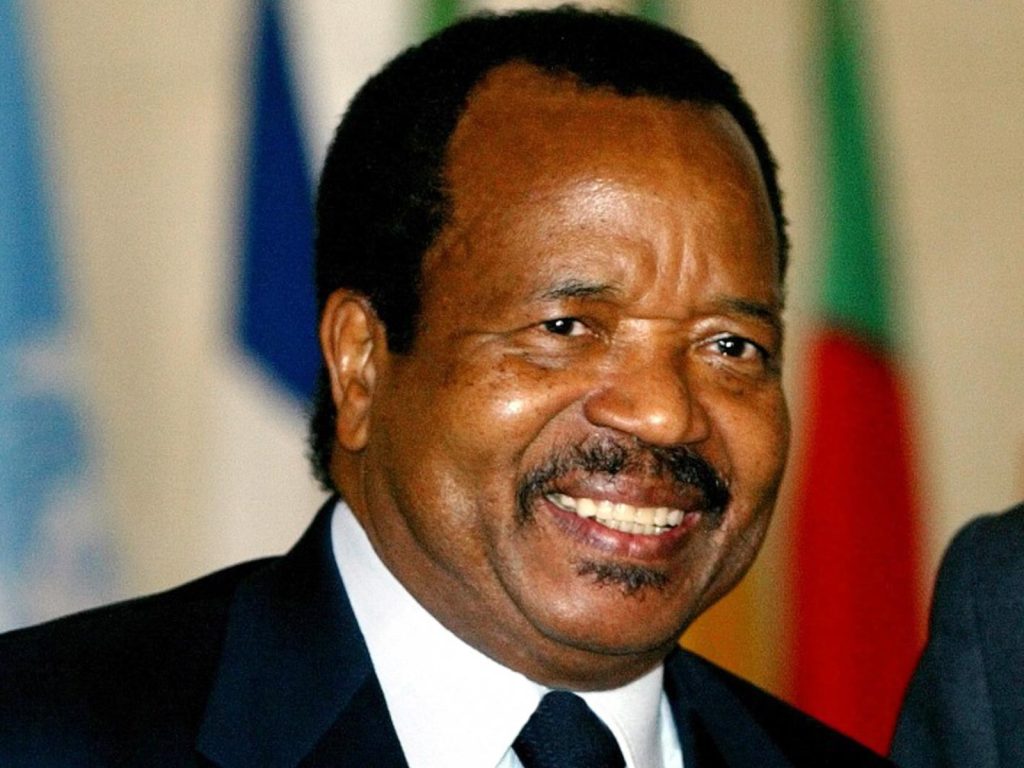
By AP, October 27, 2025Cameroon’s top court on Monday, October 27, 2025, declared incumbent Paul Biya, the world’s oldest president, the winner of the October 12, 2025, election. Clashes with security forces left at least four protesters dead ahead of the announcement as opposition supporters rallied to demand credible results.
The 92-year-old Biya has led the Central African nation since 1982. The Constitutional Council said he received 53.66 per cent of the votes, while former ally-turned-challenger Issa Tchiroma Bakary got 35.19 per cent.
The four protesters were shot dead in Douala, the economic capital, on Sunday as hundreds of people stormed the streets in several cities. Tchiroma had claimed victory days before Monday’s announcement, citing results he said were collated by his party. Biya dismissed the claim.
According to Samuel Dieudonné Ivaha Diboua, the governor of the Littoral Region, which includes Douala, several members of the security forces were injured by protesters. He said at least 105 protesters were arrested.
Videos online showed protesters clashing with security forces, who fired tear gas and tried to disperse people barricading major roads in Douala and other cities, including Garoua and Maroua in the north.
Dozens of opposition supporters, activists, and leaders were arrested in recent days. Minister of Territorial Administration Paul Atanga Nji said on Saturday that the government had arrested several people plotting violent attacks.
Tensions built ahead of the election in Cameroon, a country of nearly 30 million people. Biya’s decision to seek another term angered youth and the opposition, which has accused him of having a hand in the disqualification of his strongest rival and of using “state machinery” to manipulate the election in his favour.
One protester, Oumarou Bouba, a 27-year-old trader in Maroua, said, “I am ready to stake my life to defend my vote. I voted for Tchiroma because I want change.”
Biya has ruled Cameroon longer than most of its citizens have been alive. Over 70 per cent of the country’s almost 30 million population is below 35. The election has been the latest dramatic example of tension between Africa’s youth and the continent’s many ageing leaders.
He first came to power in 1982 following the resignation of Cameroon’s first president and has ruled the country since then, later benefiting from a constitutional amendment that abolished term limits.
Biya’s health has routinely been a topic of speculation, as he spends most of his time in Europe, leaving governance to key party officials and family members.
Critics accuse Biya of leading Cameroon from a period of relative stability into one of crisis and conflict. The country in recent years has faced attacks by Boko Haram militants in the north and a secessionist insurgency in the country’s English-speaking North West and South West regions.
That crisis, triggered by the government’s attempts to impose French in English-speaking schools and courts, has killed nearly 7,000 people, displaced more than one million internally, and sent thousands fleeing to neighbouring Nigeria.
Despite Cameroon being an oil-producing country that is experiencing modest economic growth, young people say the benefits have not trickled down beyond the elites. According to World Bank data, the unemployment rate stands at 3.5 per cent, but 57 per cent of the labour force aged 18 to 35 works in informal employment.