World Cup: Why Egypt’s coach made the X sign and its relevance in football
By Luke Oluoch, July 8, 2026In the chaotic round of 16 game pitting Egypt against Argentina on Tuesday, July 7, 2026, coach Hossam Hassan dramatically crossed his forearms to form an “X” during the game.
The cliffhanger came to a most unprecedented ending as Egypt spurned a two-goal lead in the final ten minutes to crash out 3-2 after seven minutes of added time.
Unknown to many, the crossed-arms “X” signal is FIFA’s universal gesture for reporting racist abuse.
No racism gesture
Following its unanimous approval at the 74th FIFA Congress in Bangkok, Thailand, on 17 May 2024, a global crossed-arm internationally recognised signal for players, coaches, and officials to report alleged racist abuse occurring on or off the pitch.
The symbol is now part of football protocol at FIFA tournaments.
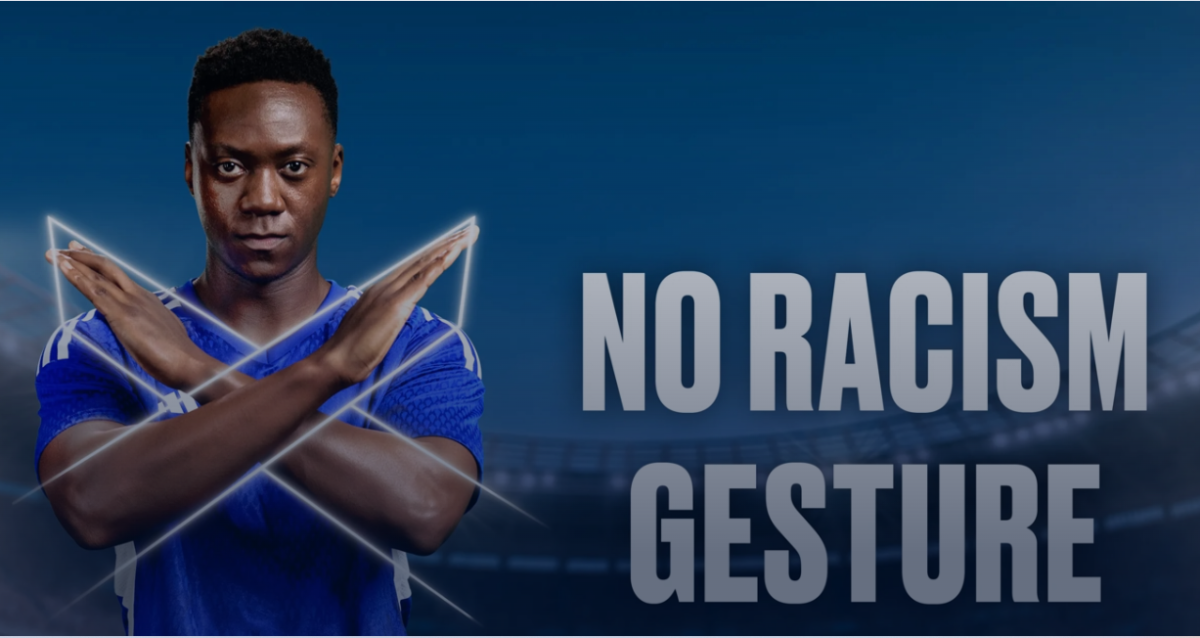
The No Racism Gesture is designed as a proactive anti-discrimination move to empower players, team officials and referees to take a stand against racism. By crossing their hands at the wrists, players can signal directly to the referee that they are being targeted by racist abuse, prompting the referee to start the three-step procedure.
As per their statutes, receiving such a report of abuse from a player, coach, or team official means that they are informing the referee that racist abuse has occurred.
The refs will, in turn, use the No Racism Gesture to signal the incident, and
trigger FIFA’s three-step anti-racism protocol: first, stop the match, then suspend it if the abuse continues, and ultimately abandon the match if it does not stop.
Hassan cautioned for his troubles
However, in the said incident, Letexier booked Hassan with a yellow card and allowed play to continue.
The highly debatable and controversial incident could be interpreted in two contexts.
A form of protest
Because Hassan did not follow up with claims of racial abuse, Analysts and pundit, have construed the gesture as a highly emotionally charged protest against the officiating.
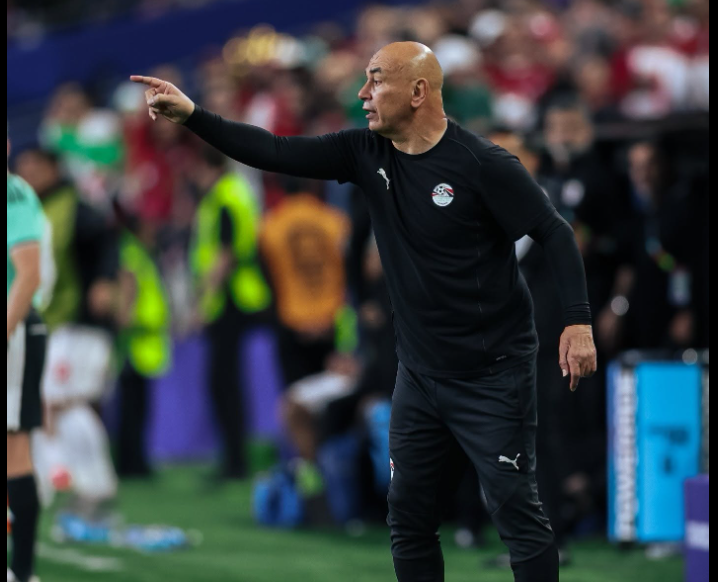
This could have informed the referee’s decision to caution the Egyptian legend during the chaotic last minutes of the game.
Hassan and his staff were furious over several decisions, including a disallowed goal in the second half, a denied penalty appeal for a foul on Mohamed Salah, and a missed foul just before Argentina’s 93rd-minute winner.
The emotional moments might have precipitated the coach’s decision to invoke the sign, as neither Hassan nor the Egyptian Football Association officially confirmed after the match that the signal was meant to report racism.
Instead, the gaffer only lamented the incidents of the game, terming the performance of French coach Francois Letexier as unfair and an injustice.