Why AFCON 2027 could be Africa’s most historic tournament
By Joel Masibo, May 19, 2026The journey toward the TotalEnergies CAF Africa Cup of Nations (AFCON) PAMOJA 2027 gets underway this week, and even before qualification matches begin, the competition is already being viewed as a potentially groundbreaking moment for African sport.
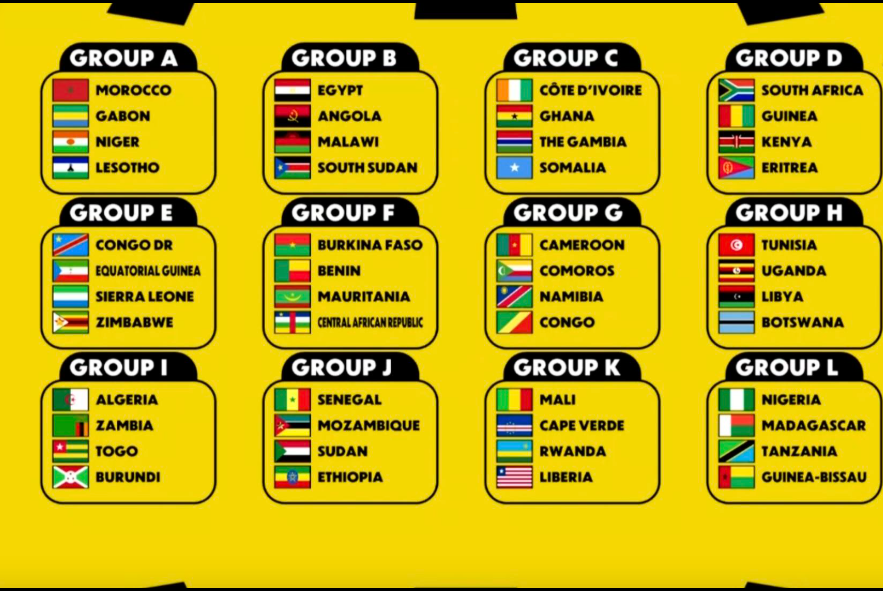
After the qualification draw was held in Cairo on Tuesday, May 19, 2026, in Egypt, the spotlight will not only be on the teams set to battle for a place at the finals in East Africa, but also on the wider significance of a tournament expected to transform African football in several ways.
History on the horizon
For the first time ever, three countries, Kenya, Tanzania and Uganda, will co-host Africa’s premier football competition. The 2027 edition will also become the first multi-country AFCON tournament to be staged in East Africa, giving the event a unique regional identity.
CAF awarded the hosting rights to the East African trio in 2023, a move many analysts described as both meaningful and forward-looking.
It was meaningful because AFCON is returning to East Africa after more than 50 years. The last time the region hosted the tournament was in 1976 when Ethiopia staged the event, leaving generations of East African supporters without the experience of witnessing the continent’s biggest football showpiece on home ground.
The decision was also strategic, as it allows CAF to deepen football’s commercial influence and cultural reach within one of Africa’s fastest-expanding regions.
The name “PAMOJA,” a Swahili term meaning “together,” reflects the core vision behind the tournament.
Rather than being centered in one nation or shared between just two countries, AFCON 2027 is being built as a regional showcase emphasising collaboration, interconnected infrastructure and easier movement across borders. The tournament is expected to engage over 400 million people across East Africa while creating fresh business opportunities and encouraging regional unity through sport.
Football has long played a powerful cultural and political role across the continent, but AFCON 2027 is already being viewed as one of the strongest examples of African unity through sport.
Heavy investments
The three host nations are investing heavily in stadium renovations, transport systems, airports, training facilities and hospitality projects ahead of the tournament scheduled for June 2027.
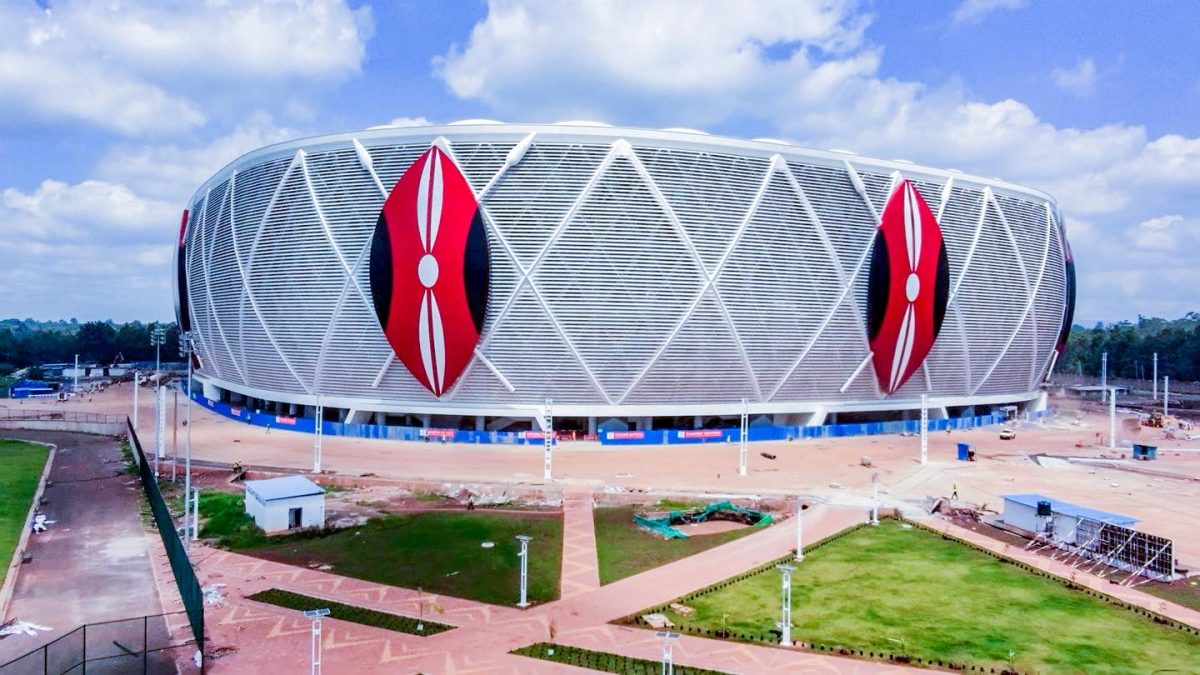
In Nairobi, Kenya is constructing the Talanta Sports City while upgrading both the Moi International Sports Centre Kasarani and Nyayo National Stadium. Tanzania continues improving facilities in Dar es Salaam and Arusha, while Uganda is advancing stadium developments in Kampala, Hoima and Lira.
The region is already recognised globally for tourism, with Kenya, Tanzania and Uganda offering some of the world’s most famous wildlife destinations and natural attractions.
Landmarks such as the Serengeti National Park, Mount Kilimanjaro, Zanzibar, Maasai Mara and Uganda’s mountain gorillas could receive unprecedented international attention during the tournament.
The competition is expected to blend football, tourism, entertainment and culture in a manner rarely witnessed on the continent.
The timing of the tournament is also significant. Recent AFCON editions in Cameroon and Côte d’Ivoire attracted record television audiences, sponsorship deals and online engagement, while Morocco 2025 further boosted the tournament’s global reputation. However, many observers believe East Africa 2027 has the potential to unlock entirely new markets.
Strong cordination
Hosting a 24-team tournament across three nations will require strong coordination in areas such as security, immigration, transportation and broadcasting. If successful, it could serve as a model for future continental events.
Qualification matches beginning later this year will feature 48 countries competing for the 24 available slots at the finals. Traditional football giants including Senegal, Morocco, Algeria, Egypt, Nigeria and Ivory Coast are expected to headline the race for qualification.

However, recent AFCON campaigns have shown that smaller football nations are increasingly capable of causing major upsets. Teams such as Comoros, Gambia and Equatorial Guinea have demonstrated that Africa’s traditional hierarchy can be challenged.
Meanwhile, countries like Somalia, South Sudan, Chad and Central African Republic will be hoping to qualify for the tournament for the first time ever.
With African football becoming more competitive each year, the road to AFCON 2027 could prove to be among the toughest qualification campaigns in the tournament’s history.