South Africa steps in as new hosts for WAFCON 2026 after Morocco withdrawal
By Joel Masibo, February 2, 2026African women’s football was plunged into uncertainty on Sunday night, February 1, 2026, following confirmation that South Africa will now stage the 2026 Women’s Africa Cup of Nations (WAFCON), taking over hosting duties from Morocco just weeks before the tournament was due to begin in March.
The unexpected switch was announced by South Africa’s Deputy Minister for Sport, Arts and Culture, Peace Mabe, during a live national television address. She revealed that Morocco had informed CAF and South African authorities that it was no longer in a position to organise the competition, prompting South Africa to step forward.
Seizing opportunity
“We seized an opportunity that presented itself because we have the necessary infrastructure and support,” Mabe said. “When Morocco said they wouldn’t be able to organise it, we said South Africa is available and ready to host.”
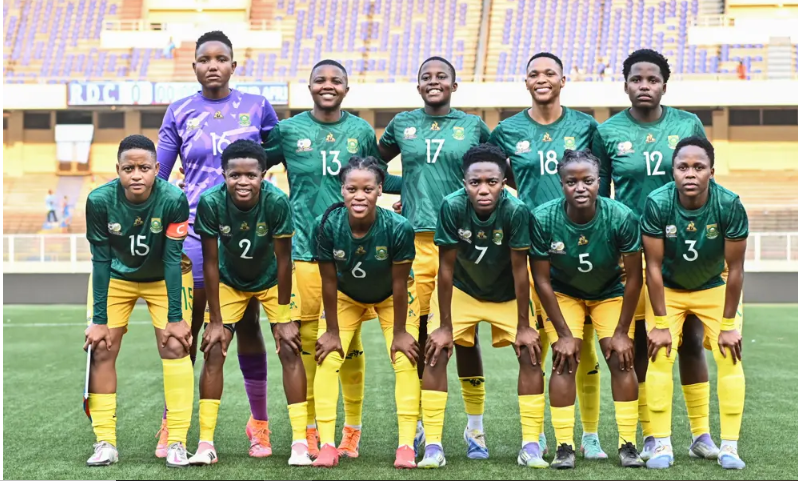
The continental showpiece had initially been scheduled to take place from Tuesday, March 17, to Friday, April 3, 2026. Still, organisers are now considering pushing the dates back by as much as two weeks to allow South Africa sufficient time to prepare.
As things stand, no official adjustment to the tournament calendar has been confirmed. Neither Moroccan officials nor the Confederation of African Football (CAF) have publicly explained the reasons behind Morocco’s late decision to pull out.
The move has caught many by surprise, especially given that Morocco had already identified stadiums in Rabat, Casablanca and Fez for the event. Unconfirmed reports have linked the withdrawal to political factors or unresolved tensions stemming from the highly disputed 2025 Africa Cup of Nations final against Senegal, although no concrete evidence has been presented to support these claims.
Withdrawal sanctions
Historically, CAF has not taken kindly to late host withdrawals. Morocco itself faced suspension and financial penalties in 2015 after pulling out of hosting the men’s Africa Cup of Nations due to Ebola concerns, sanctions that were later overturned by the Court of Arbitration for Sport.
Despite relinquishing hosting rights, Morocco’s women’s national team is still expected to take part in the competition. The Atlas Lionesses are provisionally drawn in Group A alongside Algeria, Senegal and Kenya, pending final ratification by CAF.
South Africa, meanwhile, faces a race against time to put together the logistics required to deliver Africa’s flagship women’s football tournament successfully. CAF is also under mounting pressure to reassure participating nations, commercial partners and supporters amid the uncertainty.