Kipchoge Keino Stadium getting a facelift after years of neglect
By Francis Muli, April 23, 2026Kipchoge Keino Stadium in Eldoret, once reduced to a grazing field and maize drying ground, is steadily reclaiming its place at the centre of Kenya’s athletics story.
At the height of its neglect, the stadium, located in a region globally renowned for producing elite long-distance runners, offered little to the athletes it was meant to serve.
With no functional facility, many were forced to travel to neighbouring Iten for training, a costly and logistically demanding reality that locked out young and upcoming talent.
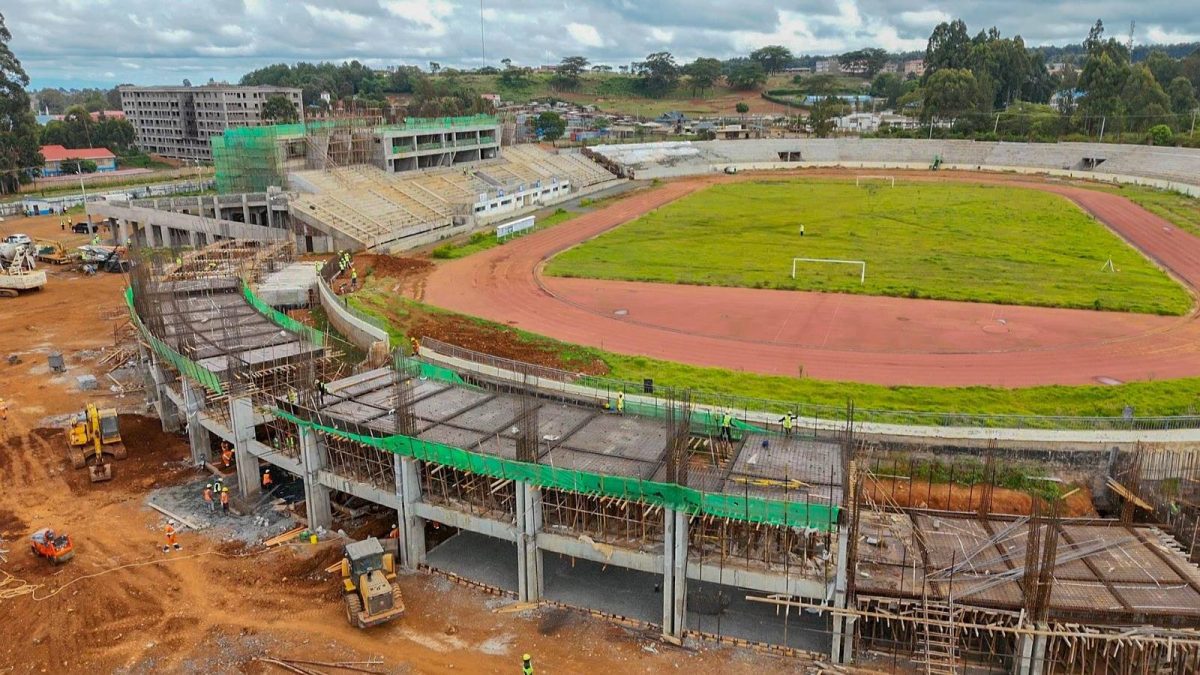
Now, a major rehabilitation project is turning the tide. At the site, excavator operator Nancy Chebet has witnessed the transformation firsthand. A resident of the area, she recalls when the stadium had lost its purpose.
“This is my home area, and I have been here since the project began. When the work stalled, the southern side became a maize-drying area. Sheep grazed freely across the stadium because there was no fence,” she says.
Stalled work for many years meant uncertainty for workers like her.
“With the previous contractor, we would work for a short time, maybe one month, then be told the money was finished. We would go home for weeks, even months, then be called back again. It was on and off,” she explains.
The current phase, however, has brought stability. “We have been working continuously, and pay is on time,” she says.
Chebet attributes the turnaround to renewed government commitment, noting that President William Ruto’s pledge to revive the stadium is now visible on the ground, with the Kenya Defence Forces overseeing works to ensure quality and consistency.
Her sentiments are echoed by athletics legend Ezekiel Kemboi, who remembers the stadium’s lowest moments.
“Six to seven years ago, cows used to come and feed in the stadium, and people drying maize were also using it. This is a sports field, not for cows or for drying maize,” he says.
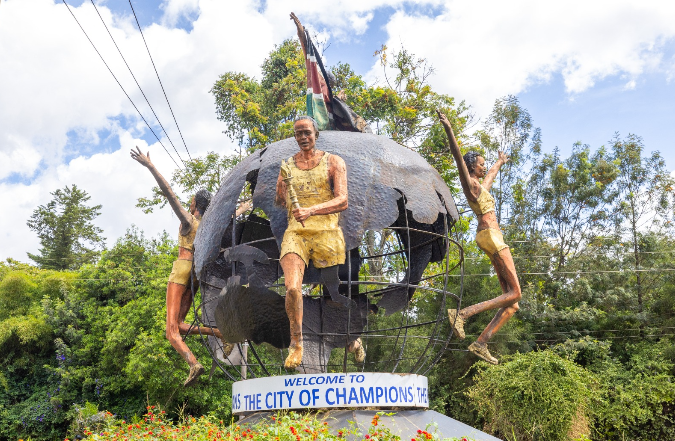
For a region proudly known as the “City of Champions,” the absence of a functional stadium carried real consequences. Athletes had to travel long distances for proper facilities, a burden many could not sustain.
The project will increase seating capacity from 9,248 to 15,671, install a tartan track, upgrade the pitch.
An overall canopy will also be installed to cover the stands, meeting the minimum standards required to host international sporting events for a cat III stadium.
The refurbished stadium is also expected to serve as a training venue for the 2027 Africa Cup of Nations.