Advertisement
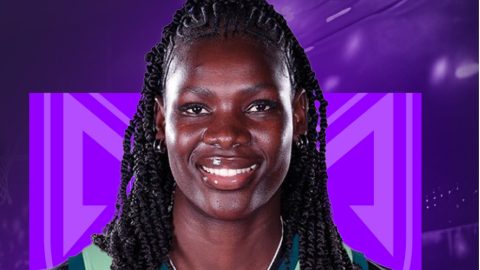
Grace Mbugua opens up on challenges and demands of US college basketball
13th May, 2026 11:36 AM
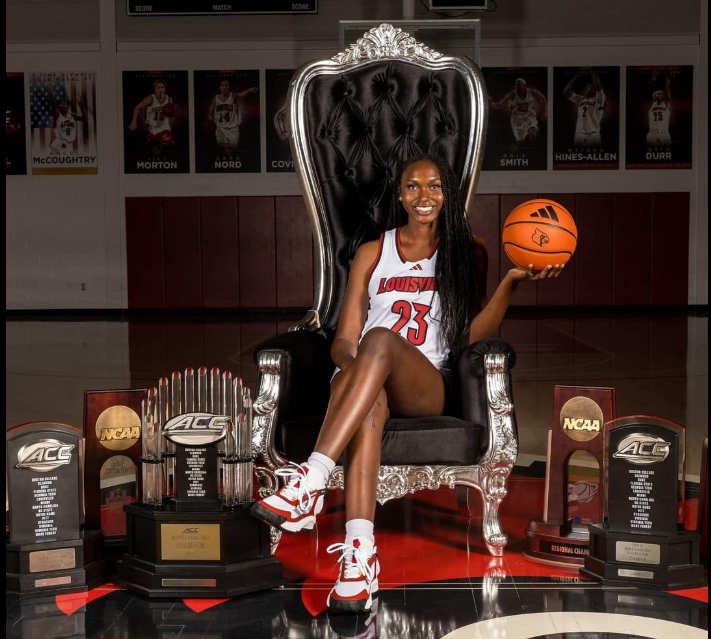
Kenyan basketball sensation Grace Mbugua has opened up about the gruelling demands of college basketball in the USA.
Currently back in Kenya before the new season tips off, the Louisville Cardinals’ heroine shared about the relentless expectations placed on Division I athletes with a local TV station on Wednesday, May 13, 2026.
The 19-year-old, currently a freshman, provided a glimpse into how she balances her academic responsibilities with a high-stakes athletic career.
From the high-intensity courts of the ACC to the quiet discipline of the classroom, Mbugua admitted that chasing the American dream is a journey far too demanding for the fainthearted.
Also Read: The Kenyan teen—Grace Mbugua—taking US college basketball by storm
The NCAA Division 1 landscape represents the pinnacle of US college athletics, bringing together over 350 institutions where athletes compete at an elite level, often supported by scholarships. With only about 1 per cent of high school players making a D1 roster, the environment is defined by rigorous training, high academic standards, and intense national competition.
To remain eligible, athletes, generally aged 18–24, must meet strict NCAA academic criteria. While moving to a D1 program is the ultimate goal for many, Mbugua warns that the jump in quality is often a shock to the system.
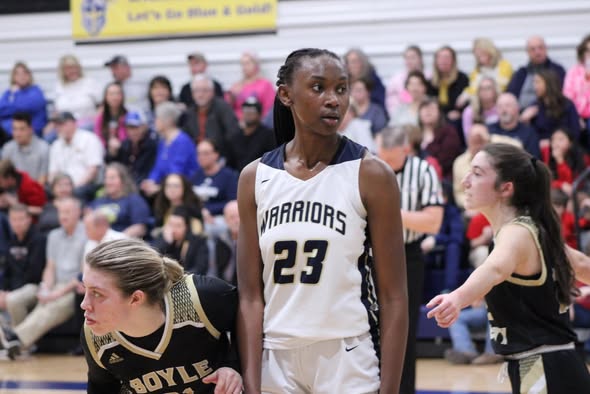
“It is mentally hard to prepare for it because you find the standard much higher than you expect, perhaps ten times higher,” Mbugua revealed. It isn’t just about talent anymore; it is about a level of physical and mental fitness that requires constant maintenance to stay at the ‘optimum standards’ required by the Cardinals.
Life in the ‘Summer Grind’
While many students view the offseason as a time to relax, for Mbugua, it is the most gruelling part of the calendar. She described a “summer conditioning” phase designed to push players to their absolute limits.
“The offseason training breaks you down,” she admitted. “During the time we have summer conditioning, it is hard. It is a different form of condition. Being a D-one athlete, you have to be a top-tier athlete, and it involves the mental aspect of it and also individual workouts for one and half hours of intense workout. You do that Monday through Friday with weekends off.”
Perhaps the most striking part of Mbugua’s transition is the shift in how she views her role on the team. With evolving financial incentives, the college basketball landscape has transitioned into a professional environment where performance is the primary currency.
Burden of expectations
“There is also the professional expectation from you,” Mbugua explained. “As an athlete they expect you to work like a pro; you getting paid and have nothing going on, so they expect you to act accordingly. It is a job; you are getting paid, and the pressure to perform just follows. It is your life.”
Despite the unforgiving nature of the sport at the highest collegiate level, Mbugua remains a beacon for Kenyan basketball, proving that while the grind is relentless, the experience is worthwhile.
With the likes of Mumias-born Madina Okot now starring in the WNBA following her draft pick by the Atlanta Dream, Mbugua has a clear mentor to look up to as she aims to become Kenya’s next major basketball export.
“My biggest dream is to play at the top level, that is the W,” she stated. “There’s a lot of work to do, and I’m ready to give my all to make my country proud.” “It feels great. It’s an honour knowing I could represent my country with pride. Kenyans can play basketball too and compete with other African countries.”