Everything you need to know about the Sperm Racing World Cup 2026
By Valerian Khakayi, March 15, 2026The Sperm Racing World Cup 2026 is shaping up to be one of the most unusual and talked‑about events on the global sporting calendar.
Organised by the Sperm Racing company, the event turns a biological concept into a competitive sport, bringing male reproductive health into the spotlight.
According to the organisers, the event aims at searching for the healthiest man alive.
In an official announcement, the Sperm Racing team said that participants from 128 countries will compete in a structured tournament of qualifiers and head‑to‑head matchups, all leading up to publicly broadcast finals.
“Introducing the Sperm Racing World Cup. 128 Countries. And a $100k grand prize,” the Sperm Racing organiser announced.
How to participate
According to the organisers, individuals interested in competing have the opportunity to apply online, and applications for the 2026 World Cup close on March 23, 2026, meaning the field of competitors is now being finalised.
Eligible participants
To be eligible, applicants must be 18 years or older, free of sexually transmitted diseases, and able to provide biological samples that meet competition standards.
Competitors may represent a country if they were born there, hold residency or citizenship, have at least one parent from that nation, or can trace at least 25 per cent ancestry to it.

Prize money
One of the headline figures for this year’s event is the $100,000 (Ksh 12,913,000) grand prize, which will go to the ultimate champion of the Sperm Racing World Cup 2026, a significant reward for what has become a serious, albeit unconventional, competitive field.
How Sperm Racing works
According to the organisers of the race, first, athletes provide their samples on race day, before the race begins, at the venue under strict medical protocols.
Then, a multi-step preparation and cleaning process begins, where the samples are purified using a density gradient to remove dead cells, debris, and non-motile sperm, and then diluted 10x to approximately 200 sperm cells.
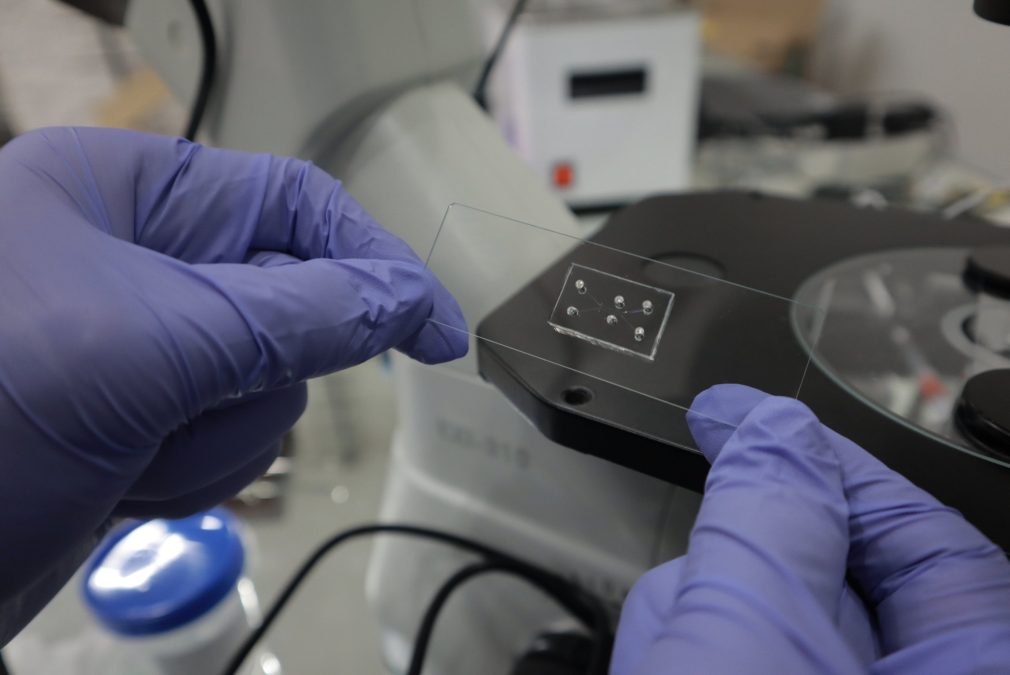
The racetrack is created via a mould with tiny channel patterns on a silicon wafer using soft lithography, similar to how computer chips are made. A photomask (like a blueprint) helps shape the design when UV light hits a light-sensitive coating on the wafer.
Liquid PDMS (mixed with a curing agent) is then poured on the mould, baked, and peeled off to form the chip.
To seal the channels, PDMS is bonded to a glass slide using oxygen plasma, which makes the surfaces stick together permanently. This lets us create precise channels as small as 10 microns and reuse the mould to make more chips.
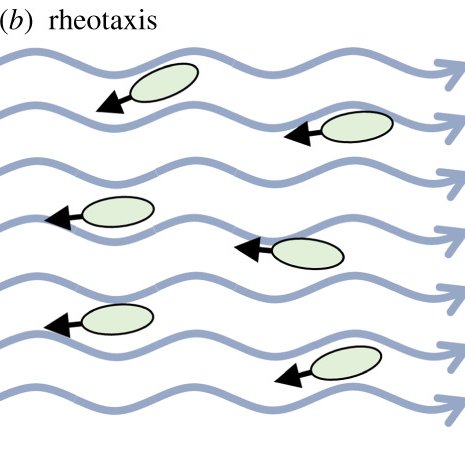
To assure the sperm swim towards the finish line, purified sperm is pipetted into the racetrack along with media, creating Rheotaxis.
The racetrack is a microfluidic chip, imaged under an inverted trinocular microscope, where the sperm movements are tracked the entire time using computer vision to determine the winner.
To enhance the spectator experience, we project the leading sperm’s position frame by frame onto a more visually engaging 3D-rendered track. This ensures 100% accuracy while making the Sperm Race entertaining to watch since raw microscope footage is, unsurprisingly, pretty boring.