Why KWS has relocated 3 young giraffes to Nairobi
By Babu Tendu, January 21, 2026The Kenya Wildlife Service (KWS) announced on Wednesday, January 20, that they migrated three Rothschild giraffes to Nairobi.
Through a short social media statement shared via X, KWS stated that the three giraffes were successfully moved from the Soysambu Conservancy in Naivasha to the Giraffe Centre in Nairobi.
They added that the three giraffes are aged between 2-3 years and were moved strategically in order to strengthen genetic diversity, secure long-term sustainability of the Nubian giraffe population, and prevent interbreeding.
“Kenya Wildlife Service successfully completed the translocation of three young Rothschild giraffes from Soysambu Conservancy, Naivasha, to the Giraffe Centre in Nairobi.”
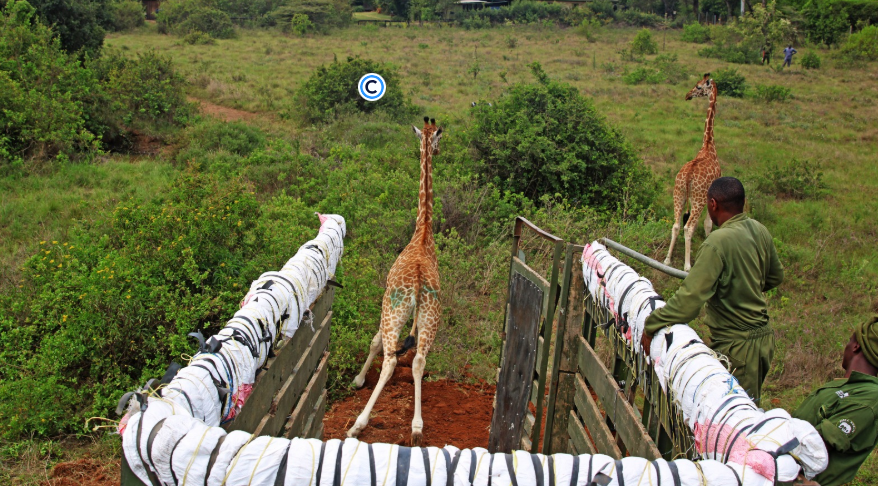
“Aged between 2–3 years, the giraffes were relocated to strengthen genetic diversity, prevent inbreeding, and secure the long-term sustainability of the Nubian giraffe population through continued breeding,” the statement read in part.
Collaboratons
KWS further added that the transfer was made possible by the tight collaboration between them, the Giraffe Center and the Soysambu Conservancy, explaining that this kind of teamwork enables biodiversity, supports conservation-based tourism and strengthens the country’s wildlife economy.
“This milestone conservation effort, implemented through strong collaboration between Kenya Wildlife Service, the Giraffe Center, and Soysambu Conservancy, emphasizes the power of partnerships in safeguarding biodiversity, supporting conservation-based tourism, and strengthening Kenya’s wildlife economy—today and for generations to come.”
The Nubian giraffe is one of Africa’s most threatened mammals, currently classified as critically endangered. Once widespread across Northeast Africa, the population plummeted by approximately 95 per cent over the last three decades due to poaching, habitat loss, and civil unrest.
In Kenya, the Nubian giraffe population is a unique conservation success story, having rebounded from a critical low of only 130 giraffes in the 1970s to approximately 1,040 today. Unlike the Masai or reticulated giraffes, which occur naturally in large ranges, all of Kenya’s Nubian giraffes are found in fragmented, protected populations due to historical local extinctions in the wild.
Recent efforts in May and August 2025 saw several giraffes moved to the Solai Sanctuary to establish new satellite populations, ensuring that a single localised disaster doesn’t wipe out the subspecies.
KWS recent efforts
In recent times, KWS has responded to various issues regarding wildlife. In a statement, KWS on Saturday, January 17, 2026, confirmed it had successfully relocated five elephants from the Lukenya University area following safety concerns raised by students and staff.
In early January, the team also responded and safely guided lions back to Nairobi National Park after they were spotted roaming in Kajiado.