Shortest day of the year: Why Sunday, December 21, ends so fast
By William Muthama, December 21, 2025You might be wondering why Sunday, December 21, 2025, seems to pass by so quickly. Yes, it’s not your imagination.
This is because it is the winter solstice, the shortest day of the year in the Northern Hemisphere.
According to TimeandDate.com, this happens when the North Pole is tilted farthest away from the Sun, causing the Sun to travel its lowest path across the sky.
How the solstice works
The word “solstice” comes from Latin: “sol,” meaning “sun,” and “sistere,” meaning “to stand still.” It describes how the Sun appears to pause at its southernmost or northernmost point before reversing direction.
On Sunday, December 21, the subsolar point he spots on Earth directly beneath the Sun reaches the Tropic of Capricorn.
After the solstice, the sun begins moving northward again, gradually lengthening days for the Northern Hemisphere.
The effect on Kenya
Even though Kenya is located just north of the Equator, the winter solstice still has a subtle effect. The reduction in daylight is minimal compared to temperate or polar regions, but the day does feel slightly shorter, and the nights are a little longer.
For most Kenyans, sunrise and sunset times shift only slightly, but it’s a reminder of the Earth’s tilt and orbit in action.
The effect of the shortest day varies depending on location. In tropical regions like Kenya, the reduction in daylight is small, while in temperate areas, the day is noticeably shorter.
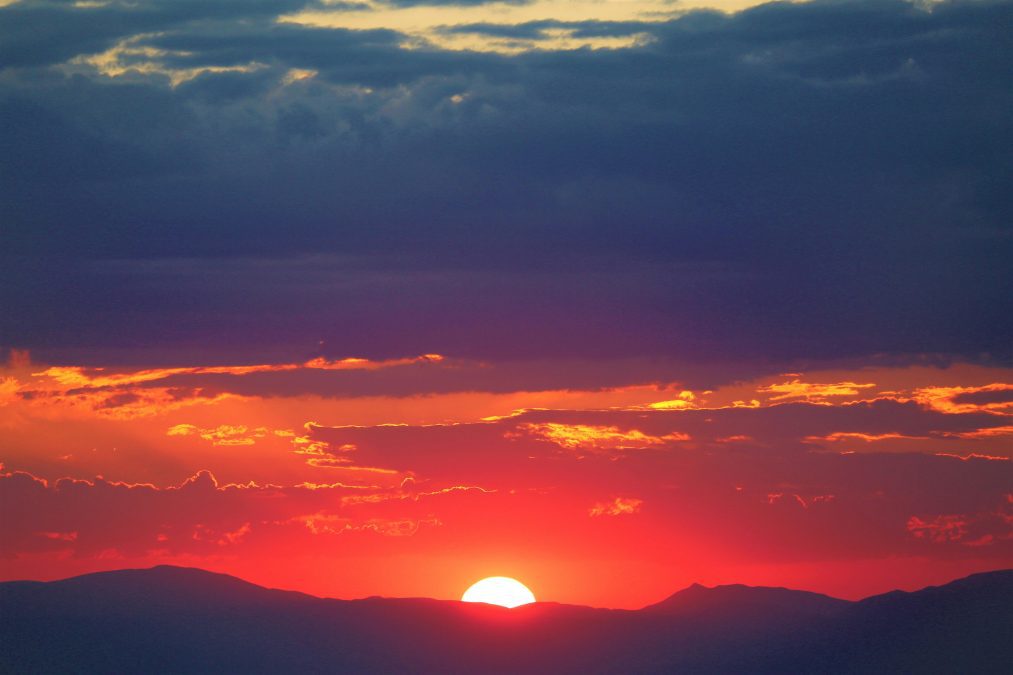
Locations within the Arctic Circle may not see the sun at all, experiencing polar night, while parts of the Antarctic Circle enjoy continuous daylight, known as the Midnight Sun.
Interestingly, the shortest day does not always coincide with the earliest sunset or latest sunrise. In most locations, the earliest sunset occurs a few days before the solstice, and the latest sunrise happens a few days after.
Why it happens
This phenomenon is caused entirely by the tilt of Earth’s axis, which is about 23.4° relative to its orbit around the Sun.
The December solstice also signals the start of winter in the Northern Hemisphere and summer in the Southern Hemisphere, marking a key turning point in the year’s cycle of seasons.
So next time Sunday, December 21, feels fleeting in Kenya, remember it’s not just your imagination. Even near the Equator, the shortest day exists because of the Earth’s tilt and orbit, making this day unique in the year’s cycle of daylight and night.