Mbadi’s unity call lights up Nyanza Youth Summit
By Viola Kosome, February 26, 2026Treasury Cabinet Secretary John Mbadi has called on leaders and citizens to embrace inclusive leadership and economic empowerment, saying Kenya’s democratic journey requires renewed commitment to building a nation where every citizen feels represented.
Speaking during a Nyanza Youth Summit in Kisumu on Thursday, February 26, 2026, Mbadi urged the people to reflect on the country’s historical struggle for independence and the continued responsibility of leaders to create a national identity rooted in unity and shared opportunity.
“By the end of my address, we should all strongly feel obliged to build a better Kenya which has space for each one of us,” Mbadi said, noting that independence marked only the beginning of a longer journey toward nation-building.
He observed that while Kenya has made progress since independence, the country has at times lacked leadership focused on strengthening national cohesion.
According to Mbadi, true nationhood requires citizens to feel a sense of belonging and responsibility toward the country’s future.
He praised the late opposition leader Raila Odinga for his role in pushing democratic reforms and championing constitutionalism, saying his political career was driven by the vision of an inclusive Kenya.
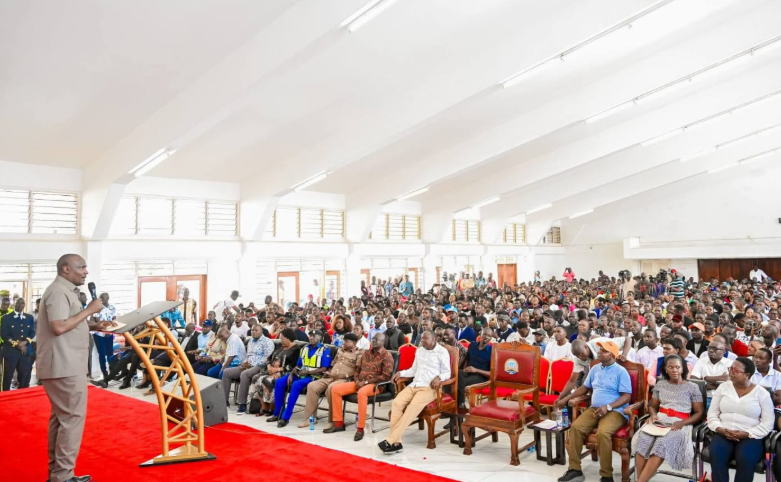
“The spirit of the constitution is not just the text but the fact that many people who previously felt excluded now feel included,” Mbadi said, adding that leadership must remain anchored in public trust and a clear development agenda.
He encouraged aspiring leaders to articulate tangible visions that resonate with citizens, emphasising that public support is built through consistent service and accountability.
Reflecting on Odinga’s political journey, Mbadi highlighted his participation in various political formations including Forum for the Restoration of Democracy, FORD–Kenya, National Development Party, Kenya African National Union, and the Liberal Democratic Party, before eventually leading the Orange Democratic Movement.
He described the transitions as strategic moves aimed at expanding democratic space and strengthening national unity.
Mbadi also underscored the importance of balancing civil liberties with economic and social development, noting that governance must prioritize livelihoods alongside political freedoms.
He cited devolution as one of the key reforms associated with Odinga’s political advocacy, saying it was intended to expand opportunities beyond major urban centres while enhancing equitable access to services.
The Cabinet Secretary further called for continued evaluation of the devolved system to ensure efficient resource allocation, particularly in sectors such as health and education that directly affect young people.
Mbadi noted that Odinga’s presidential manifestos consistently focused on economic empowerment and reducing the cost of living, referencing initiatives such as the economic advisory structures formed under the Azimio la Umoja One Kenya Coalition Party.
He emphasised the roles of the media and civic engagement in strengthening democracy, urging leaders to prioritise dialogue over confrontational political approaches.
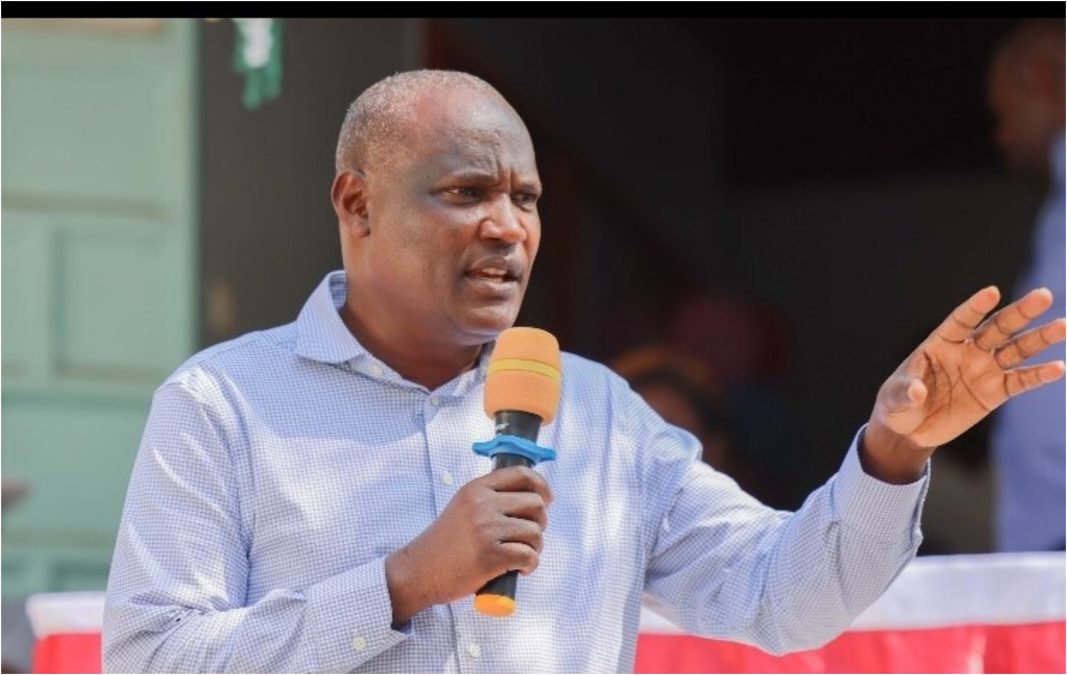
“Agitation that disrupts economic progress should only be used as a last resort. Engagement and partnership are key to sustaining development,” Mbadi said.
Meanwhile, Mathews Owili, the Kisumu County Deputy Governor, said the region would benefit more by working closely with President William Ruto’s administration.
Owili urged Mbadi, as a senior member of the national government, to help strengthen negotiations that would ensure the region remains within the government’s development framework.
“As a working member of that government and a senior leader, please move together with the party leader and negotiate strongly for us because we do not want to remain in the opposition. We want to be in government because we believe in the opportunities that come with power,” Owili said.
Mbadi concluded by urging leaders to uphold the ideals of inclusive governance and structured reforms to ensure the country’s democratic gains continue to benefit future generations, while also acknowledging the importance of continuity of reform ideals under leaders such as Oburu Odinga.