El Niño alert: WMO warns of possible shift in rainfall patterns across the region
By Valerian Khakayi, August 5, 2026The World Meteorological Organization (WMO) has warned that strengthening El Niño conditions could trigger significant changes in rainfall patterns across the region in the coming months.
In its latest outlook issued on Tuesday, August 5, 2026, WMO said the intensifying El Niño is likely to drive significant shifts in rainfall patterns. The forecast indicates that some areas may experience above-normal rainfall, while others could receive near-normal or below-normal rainfall.
“The intensifying El Niño is likely to drive significant shifts in rainfall patterns. means that above-normal rainfall in the region is likely; for near-normal; for below-normal,” WMO stated.
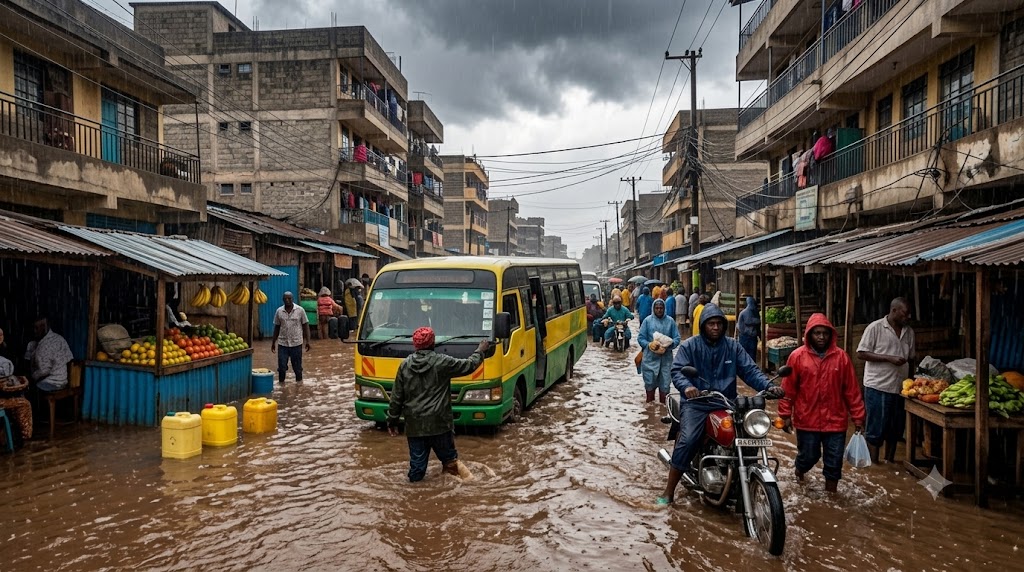
2026 El Niño
According to WMO’s Global Seasonal Climate Update, El Niño is expected to continue steadily intensifying into a strong event between August and October 2026.
The update shows that seasonal-average sea surface temperature anomalies linked to El Niño are projected to exceed 2.9°C in key monitoring regions, according to forecasts from leading global climate centres.
WMO said the developing El Niño is occurring alongside a positive Indian Ocean Dipole (IOD), a climate pattern where the western Indian Ocean becomes warmer than average while the eastern Indian Ocean becomes cooler.
The combination of these oceanic drivers could amplify climate impacts around the Indian Ocean basin, increasing the risk of extreme weather events such as drought, floods and wildfires.
In its rainfall outlook map, WMO indicated that areas marked green represent regions where above-normal rainfall is likely, while white areas show regions expected to receive near-normal rainfall. Orange areas represent locations where below-normal rainfall is likely.
The latest update comes amid growing concerns over the effects of climate change and rising global temperatures.
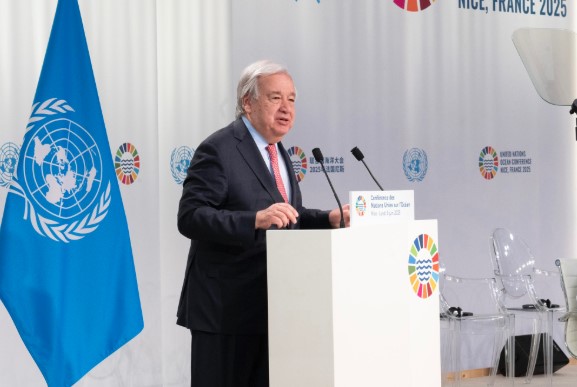
Guterres’s warning
UN Secretary-General António Guterres warned that the strengthening El Niño is adding pressure to a planet already experiencing extreme heat, record-breaking sea temperatures and worsening wildfires.
“El Niño is strengthening,” Guterres said, adding that rising temperatures and continued reliance on fossil fuels could increase climate risks.
Meanwhile, WMO Secretary-General Celeste Saulo said climate forecasts provide governments and communities with an opportunity to prepare before extreme weather impacts occur.
Saulo noted that reliable climate information helps countries anticipate risks and make decisions that can reduce the effects of climate-related disasters.
WMO said its Global Seasonal Climate Update complements its full El Niño/La Niña Update, which is expected to be released in early September 2026 and will provide further assessment of the evolving climate conditions.