Advertisement
Clinical officers decry delayed CBA signing as strikes persist in Nairobi and Marsabit
10th February, 2026 06:03 PM
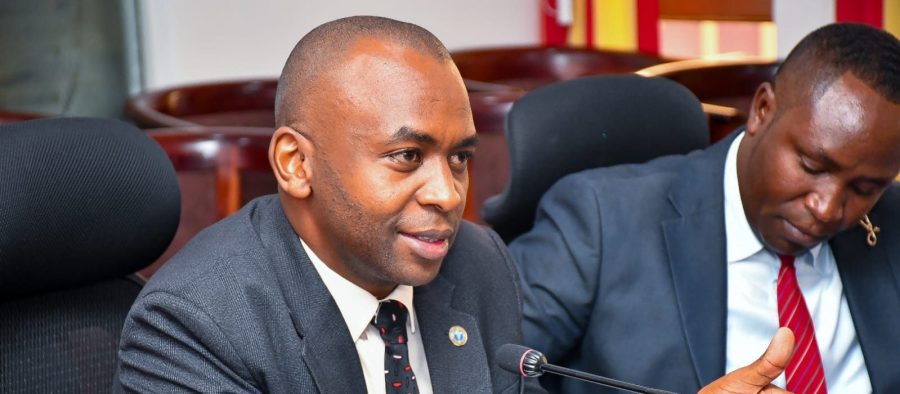
Clinical officers have raised fresh concerns over stalled labour agreements and prolonged strikes in parts of the country, blaming both county governments and the national Ministry of Health for failing to honour commitments reached after weeks of industrial action.
Speaking on behalf of the Kenya Union of Clinical Officers (KUCO), National Chairperson Peterson Wachira said the union suspended a 36-day nationwide strike about two weeks ago after reaching an agreement with all 47 county governments. However, he noted that three counties were allowed to continue striking due to unresolved issues.
“Baringo County has since resolved its issues and resumed work, but Marsabit County remains on strike, while demonstrations are ongoing in Nairobi County even as we speak,” Wachira said.
He further faulted the national government, saying the Ministry of Health has yet to sign the Collective Bargaining Agreement (CBA) concluded in September last year.
“We also have the national government, through the Ministry of Health, where the Cabinet Secretary for Health, Aden Duale, is yet to sign our CBA,” he said, adding that the delay has disappointed clinical officers across the country.
Wachira accused the Health CS of giving Kenyans false assurances on national media that the CBA would be signed once county governments appended their signatures.
“Up to now, there is no indication that the ministry intends to honour that promise,” he said.
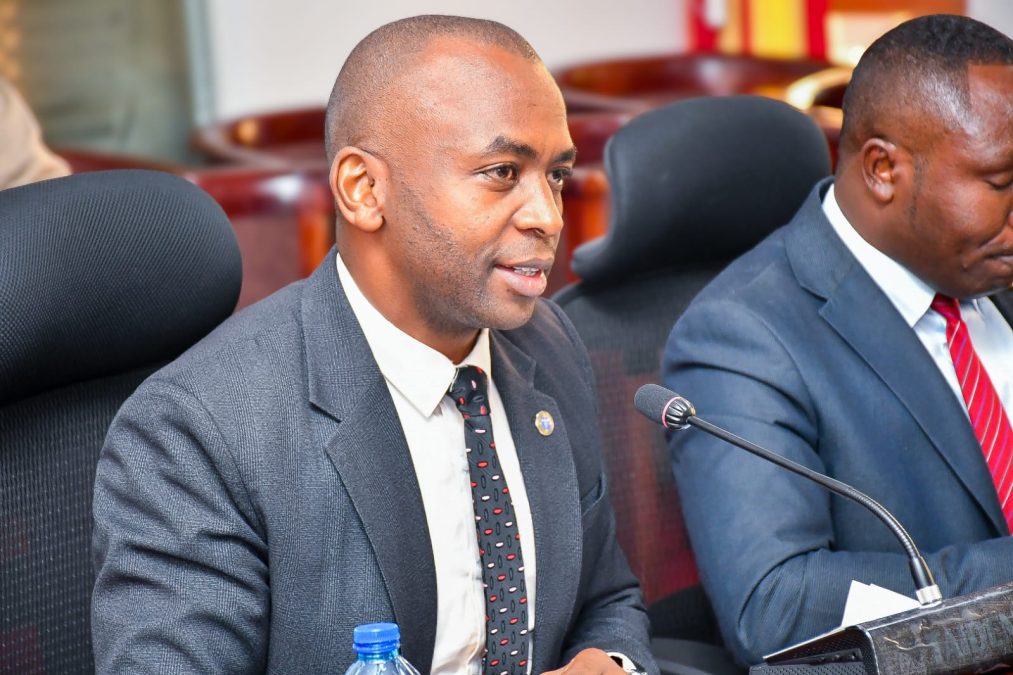
KUCO Secretary General George Gibore said the union officially signed a return-to-work agreement on January 28, allowing most counties to resume normal health services.
“When we suspended the strike, we allowed three counties, Baringo, Nairobi, and Marsabi, to continue industrial action due to unresolved grievances,” Gibore said.
He expressed concern over Nairobi County, calling it worrying that a major metropolitan area could allow health workers to remain on strike for over 50 days.
“We have actually been on strike for more than 50 days in Nairobi, and the efforts being made do not match the needs of the people. County leaders must prioritise service delivery, especially in health,” he said.
Gibore revealed that both Nairobi and Marsabit counties have return-to-work agreements that are yet to be implemented.
In Marsabit County, he alleged that health workers are operating without medical cover despite statutory deductions being made from their salaries.
“The county deducts money but does not remit it to any third party. That is a criminal offence under the Employment Act,” he said, noting that clinical officers are forced to pay for medical services out of pocket.
He added that promotions in Marsabit County have stalled for more than a decade, despite budgets being allocated annually.
“The money is either misappropriated or redirected to other activities. Promotions, which require about Sh8 million, are the bare minimum our members are asking for,” Gibore said.
He also cited delayed salary payments and called for a centralised system of managing health services to ensure uniformity across counties, similar to arrangements used during the COVID-19 pandemic.
“We continue to lose lives as essential services are denied due to strikes, yet some governors act with impunity, especially those in their second term who feel untouchable and unaccountable,” he said.