Always too late: Why Kenya’s drought response keeps failing families
By Ascah Mwango, January 29, 2026Kenya’s arid and semi‑arid lands are no strangers to water scarcity. But this drought exposed how infrastructure gaps still leave too many communities thirsting for life’s most basic resource. The drought crisis in the country might be called that friend who never leaves the party.
Year after year, the dry season stretches on longer than expected, with rains that were supposed to save the day arriving too late or not at all. As the short rains of October–December 2025 crashed to a record low, months passed with skies dry.
Over two million people now face food insecurity, thirst, and hunger across counties. And yet, the response often feels like an apology coming after the test has already failed. The real question is: Why do we keep reacting late instead of preparing early?
Ignorance
Kenya has systems to monitor rainfall, vegetation, livestock health, and climate patterns. They are designed to provide a warning of droughts. In theory, these alerts should give communities and authorities time to prepare. In practice, the warnings are often ignored or delayed in taking action.
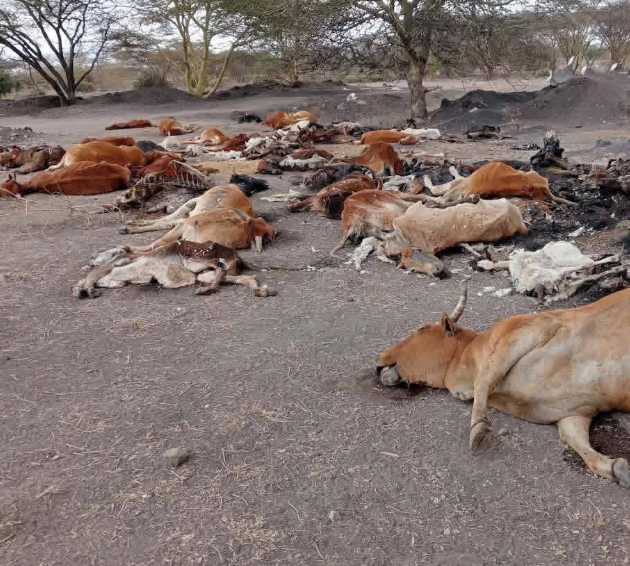
By the time assistance such as food distribution, water trucking, or cash support arrives, many families have already experienced severe losses. Children go hungry, livestock die, and entire communities endure weeks of hardship. Drought is predictable, but the response continues to feel like a surprise.
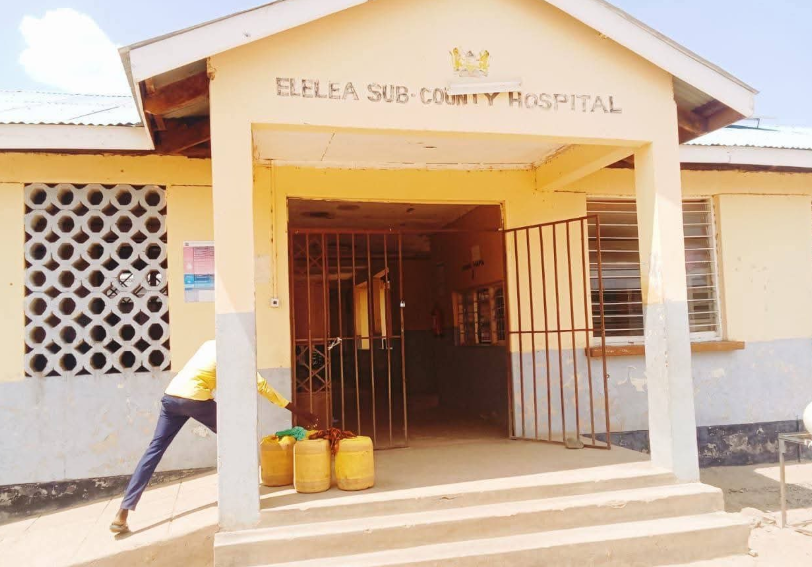
The Kenya Red Cross has repeatedly raised alarms over the escalating crisis, particularly in counties like Turkana East. In a statement shared on January 29, 2026, the agency highlighted that even critical public institutions, such as health facilities, are struggling to access clean and safe water. Elelea Health Facility in Lokori/Katila Ward, serving over 2,500 households, has no running water, forcing patients and health workers to rely on jerry cans transported from Lotubae.
“The drought continues to worsen in Turkana East. At Elelea Health Facility (Lokori/Katila Ward), serving over 2,500 households, there is no running water, forcing patients and health workers to rely on water ferried in jerry cans from Lotubae. In Lokori, women and children queue for scarce water alongside livestock,” the Red Cross reported.
Plans on paper, gaps in reality
Official strategies exist, but gaps in funding, logistics, and implementation leave families vulnerable and unprotected from early impacts.
Kenya has strategies for drought preparedness, including early warning alerts, contingency plans, and emergency response protocols. The National Disaster Management Authority (NDMA) provides a blueprint for counties to act.
However, having a plan on paper does not guarantee timely action. Funding, logistics, and coordination often lag behind the growing needs. Many counties activate their emergency measures only after the crisis peaks. Families are left to endure the worst of the drought before official help is available. The systems are there, but the timing is consistently off.
This delayed response is particularly stark in counties like Marsabit, Mandera, Turkana, and Wajir, which Secretary General of Kenya Red Cross Ahmed Idris identified as being under extreme pressure. He noted that, unlike previous drought cycles, the current situation is uneven, with some areas in a county suffering severe effects while neighbouring areas remain less affected. In Baringo County, for instance, Tiaty Sub-County faces extreme conditions even as other parts of the county experience moderate dryness.
The human cost
Delayed response leads to malnutrition, disease, and livestock losses, turning what starts as a dry season into a full-blown crisis for communities.
The toll of delayed response is clear. Children face malnutrition, pregnant women are at risk, and families turn to unsafe water sources, increasing the chance of disease. Livestock, a primary source of food and income for pastoral communities, suffer massive losses. These are not statistics; they are daily realities that determine whether a family survives or struggles to recover.
In Turkana East, malnutrition is worsening in areas such as Nakauron and Lotubae. Children have even been seen bringing other children to nutrition outreach sites as parents migrate in search of food and support.
Every day that aid is delayed, the drought’s impact deepens. What starts as a lack of rain quickly turns into a crisis of health, food security, and livelihoods. Idris warned that the country faces at least two more months without rain, and even when the rains return, they may not be sufficient to reverse the crisis.
“The situation is deteriorating. What is more is we still have two more months of no rain, and when we get the rains, it might not be good rains,” Idris stated.
Water projects and infrastructure failures
Boreholes, dams, and rainwater harvesting exist, but communities often rely on emergency measures because infrastructure cannot meet urgent demand.
Kenya has invested in water solutions for years, including boreholes, dams, and rainwater harvesting projects. Many of these initiatives exist on paper or have been implemented partially. However, the scale of drought often overwhelms the infrastructure that does exist. Communities end up relying on emergency water trucking, a short-term solution that is costly and cannot reach everyone in time.
Investing in water infrastructure and maintenance before the drought hits saves lives, protects livelihoods, and reduces the pressure on emergency systems. Yet, as seen in Turkana East, even health facilities cannot guarantee basic water access during a crisis, leaving vulnerable populations at the mercy of limited supplies.
Coordination challenges
Multiple agencies and local authorities often fail to work in sync, leaving response efforts patchy and slow to reach the people who need them most.
Drought response involves multiple actors, including national and county governments, humanitarian organisations, and local communities. While coordination exists in principle, in practice, communication gaps and unclear responsibilities often delay action. Some areas receive overlapping support while others wait. The result is a patchwork response that leaves communities vulnerable until it is too late.
According to Ahmed Idris, the uneven nature of the current drought exacerbates coordination difficulties. Some regions within a single county may be severely affected while others remain relatively stable, making prioritisation and resource allocation more complex.
Kenya’s drought crisis highlights a pattern of reactive rather than proactive planning. While monitoring systems, plans, and water infrastructure exist, gaps in implementation, coordination, and timely response continue to leave communities at risk.
Strengthening early action, maintaining infrastructure, and improving coordination across counties and agencies is critical to preventing predictable droughts from becoming disasters. Without sustained investment and a shift toward preparedness, Kenya’s most vulnerable communities will continue to bear the human and economic cost of inaction.