No more daily pills: Kenya bets on biannual injectable HIV protection
By William Muthama, July 18, 2025For decades, HIV prevention has meant sticking to daily pills a routine that many found hard to maintain quietly.
Now, that could be changing. A breakthrough in HIV prevention has arrived: a long-acting injectable shot that requires just two doses per year.
This isn’t just medical progress it’s personal. It means less stress, more privacy, and freedom from daily reminders of risk or past trauma.
For young people, workers on the go, and those navigating stigma at home or in public, the change is monumental.
And Kenya is among the first to take the leap. As one of only nine countries globally selected to introduce the injectable HIV prevention shot, the country is preparing for rollout by January 2026.
For the first time, prevention feels as empowering as it is effective.
Protection without pressure
Unlike HIV treatment drugs, this new shot isn’t for those already diagnosed. It’s a pre-exposure option designed to protect people who are HIV-negative but at risk.
While daily PrEP pills have worked well, they haven’t always been practical. Life gets in the way.
The science is stunning: in clinical trials, among more than 2,000 participants, just two infections were recorded and none among African women and adolescent girls.
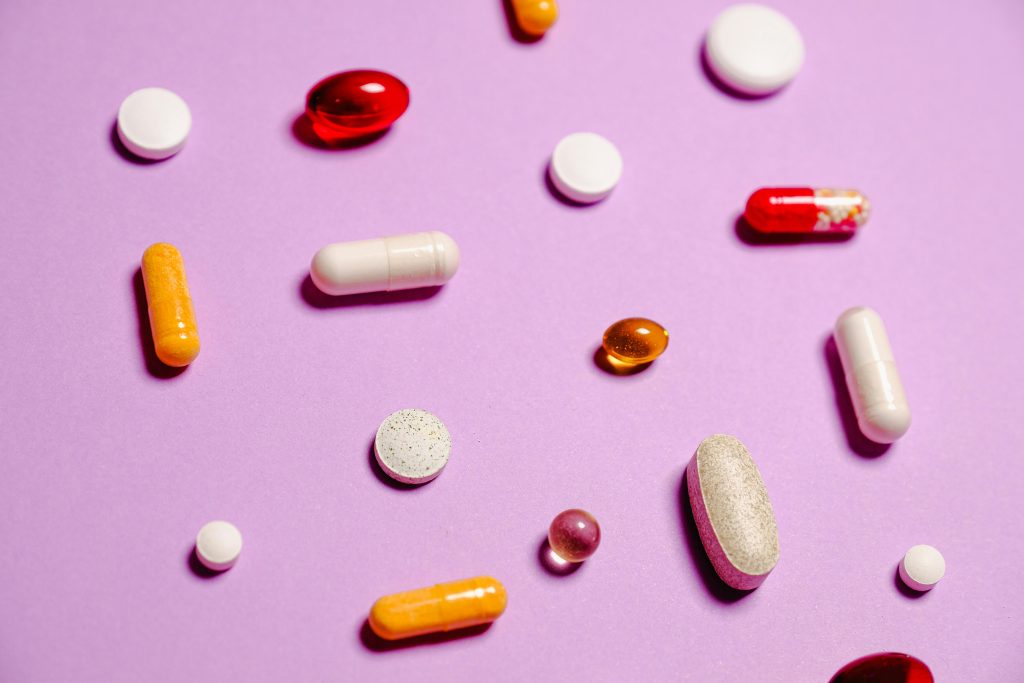
The injectable form of pre-exposure prophylaxis (PrEP), known as Lenacapavir, also known by its brand name Yeztugo.
This injectable gives people a simpler, longer-lasting alternative. In clinical trials with over 2,000 participants, the results were powerful:
only two new infections occurred none among African women and adolescent girls, groups often left behind in traditional HIV responses.
And it’s not just about science. It’s about simplicity. No more hiding pill bottles, no more daily alarms. Just two discreet clinic visits a year. For many, that’s the difference between peace of mind and persistent worry.
Changing HIV conversations
Stigma remains one of the greatest barriers to ending HIV. Over the years, campaigns, school programs, and even music have tried to change public attitudes.
Messages in classrooms and lyrics on radios have told young people to test, speak up, and show love.
But stigma goes deeper than posters and songs. It lives in whispers, judgment, and fear. That’s why a more private method something invisible and unspoken could start changing the narrative.
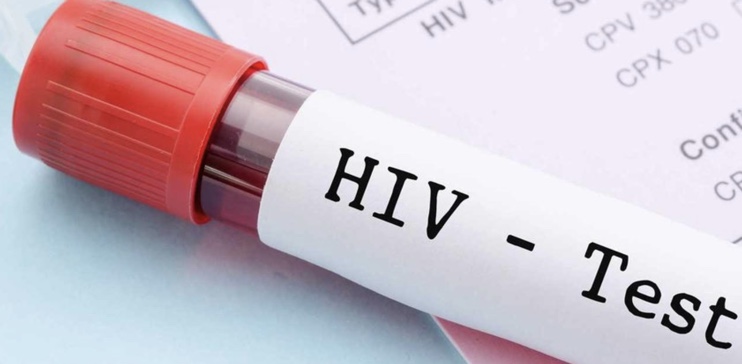
This injectable gives people the power to protect themselves without sharing anything they’re not ready to. That quiet autonomy might do more to fight stigma than any billboard ever could.
The cost? A concern, yes but one that’s being tackled. Through partnerships and royalty-free agreements, the price of the shot, once out of reach, could drop to as low as Ksh5,200 per year in Kenya. That’s real progress.
With Kenya’s HIV prevalence at 3.7%, and over 1.4 million people already receiving care, this next step in prevention brings new hope. It’s not just about stopping new infections.
It’s about shifting how people live, love, and talk about HIV from fear to freedom.